
TikTok says it’s restored ‘Musk’ documentary advertising account
When a four‑hour documentary about Elon Musk hit the festival circuit, the battle over its promotion began before the film even hit a screen. TikTok’s own statement on Sunday framed the ban as an error, saying the account had been restored after the glitch was identified.
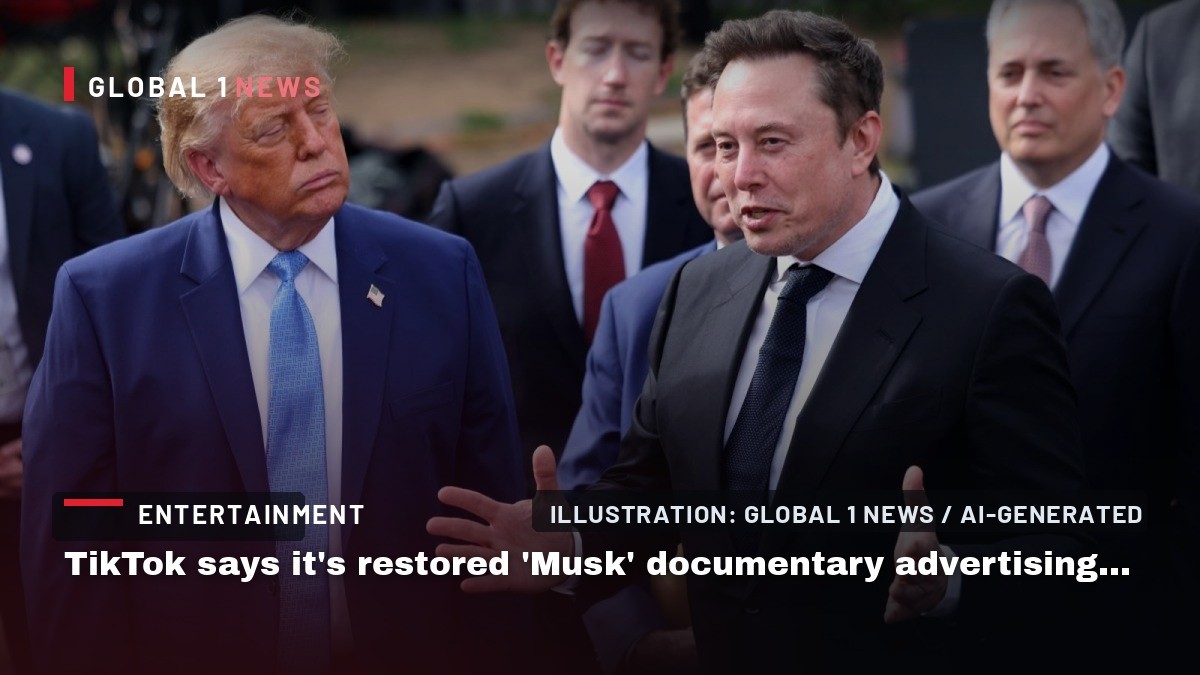
When a four‑hour documentary about Elon Musk hit the festival circuit, the battle over its promotion began before the film even hit a screen. The film, titled “Musk” and directed by Oscar‑winner Alex Gibney, has been blocked, unblocked, and blocked again across the biggest ad ecosystems, turning a marketing rollout into a litmus test for how platforms police political content and high‑profile personalities.
The ad saga: from Meta to TikTok
“Musk” first ran into trouble when Meta’s ad system rejected the trailer spot, a decision Meta later chalked up to “an error.” YouTube followed a similar path, initially refusing the ad before also relenting. The pattern repeated on TikTok, where the documentary’s advertising account was hit with a “permanent suspension” for political content, according to a notice sent to distributor Bleecker Street. TikTok’s own statement on Sunday framed the ban as an error, saying the account had been restored after the glitch was identified.
These reversals reveal a common thread: the platforms’ automated moderation tools flagging content tied to a polarizing figure, then human reviewers stepping in to reverse the decision. The back‑and‑forth underscores how ad‑tech pipelines can become bottlenecks for creators, especially when the subject matter brushes up against political sensitivities.
Who’s pulling the strings? Distributors and owners
The documentary’s journey is being shepherded by a trio of industry players. Bleecker Street, the distributor that first received the TikTok suspension notice, is the on‑the‑ground liaison for the film’s rollout. Universal, the international distributor, reportedly wavered on whether to move forward with the release, but has now committed to pushing the film out. Meanwhile, the streaming future of “Musk” is tied to HBO, which sits under the Paramount/Skydance umbrella—a unit led by David Ellison, son of Larry Ellison, who holds a stake in TikTok’s U.S. operations.
This web of relationships adds a layer of intrigue: the same Ellison family that backs TikTok’s U.S. presence also has ties to the streaming home that will eventually host the documentary. The overlap raises questions about whether corporate alliances influence moderation outcomes, especially when the content in question centers on a tech titan who is also a vocal political figure.
Why the platforms balk at “Musk” ads
The core of the ad controversy lies in the label “political content.” Both Meta and TikTok flagged the trailer as political, a classification that automatically triggers stricter review. While the documentary is a biographical work, its subject—Elon Musk—has become a lightning rod for political debate, given his ownership of X, his public statements on elections, and his alignment with former President Donald Trump.
Platforms have been tightening political ad policies in the wake of election interference concerns, and any content that could be construed as influencing public opinion now faces heightened scrutiny. The “Musk” ad saga illustrates how these policies can inadvertently stifle cultural products that sit at the intersection of tech, business, and politics.
The impact on ordinary viewers
For the average moviegoer, the ad ban translates into fewer opportunities to discover the documentary before it reaches theaters. With “Musk” opening in just four theaters last weekend, word‑of‑mouth and social media buzz are crucial for building momentum. The temporary loss of TikTok’s massive reach—especially among younger audiences—means the film’s exposure relies heavily on the limited ad slots that Meta and YouTube eventually granted.
Beyond discovery, the controversy itself may draw attention. In an era where platform bans often become news stories, the very act of being blocked can act as free publicity, prompting curious viewers to seek out the film through alternative channels, such as theater listings or later streaming on HBO.
Financial stakes for the distributors
While the source material does not disclose specific budgets or box‑office projections, the limited theatrical rollout—four theaters at launch—suggests a cautious release strategy. The broader distribution plan hinges on the HBO streaming window next year, a deal that could provide a sizable licensing fee for Universal and Bleecker Street.
The ad hiccups could affect the film’s performance in its theatrical window, potentially lowering ticket sales and, by extension, the leverage distributors have when negotiating streaming terms. However, the heightened media coverage around the ad bans may offset some of that risk by amplifying public interest ahead of the HBO debut.
What this says about platform power
The “Musk” ad saga underscores how a handful of platforms wield outsized influence over cultural distribution. When a single ad account is labeled political, the ripple effect can limit a film’s reach across multiple ecosystems. The fact that both Meta and TikTok ultimately reversed their decisions after “errors” were identified suggests that human oversight can correct algorithmic overreach, but only after damage may already be done.
For creators and distributors, the lesson is clear: diversification of promotional channels is essential. Relying on a single platform’s ad network can leave a project vulnerable to policy shifts or automated misclassifications, especially when the subject matter sits at the nexus of tech and politics.
Looking ahead: the broader cultural conversation
Beyond the immediate marketing challenges, the documentary’s journey reflects a larger cultural moment where tech moguls are becoming subjects of mainstream storytelling. As platforms grapple with how to handle political content, the line between a biographical documentary and a political advertisement continues to blur.
For viewers, the controversy may serve as a reminder that the platforms they use to discover media are also gatekeepers of the narratives they consume. As “Musk” moves from a handful of theaters to a national streaming release on HBO, its path will likely be watched as a case study in how high‑profile tech figures navigate the evolving media ecosystem.
This article was produced with AI-assisted research and editorial support. Reporting is based on the source material cited below. Sources: TechCrunch; techcrunch.com; Global1.News (19 October 2026).
By Nova Chen, Staff Writer
What's Your Reaction?
 Like
0
 Dislike
0
 Love
0
 Funny
0
 Wow
0
 Sad
0
 Angry
0

Trend Reporter at Global1.News. Based in San Francisco, tracking the stories crossing from social platforms, forums, and community discussions into mainstream news — tech breakthroughs, cultural shifts, and world events that real people are engaging with right now.










Comments (0)