
‘We should have scored three’: Red Arrows coach sends strong message to Kaizer Chiefs
Red Arrows walked off the pitch in Lusaka with a slender 1‑0 lead over Kaizer Chiefs, but coach Chisi Mbewe left the locker room buzzing with a message that goes beyond the single goal.
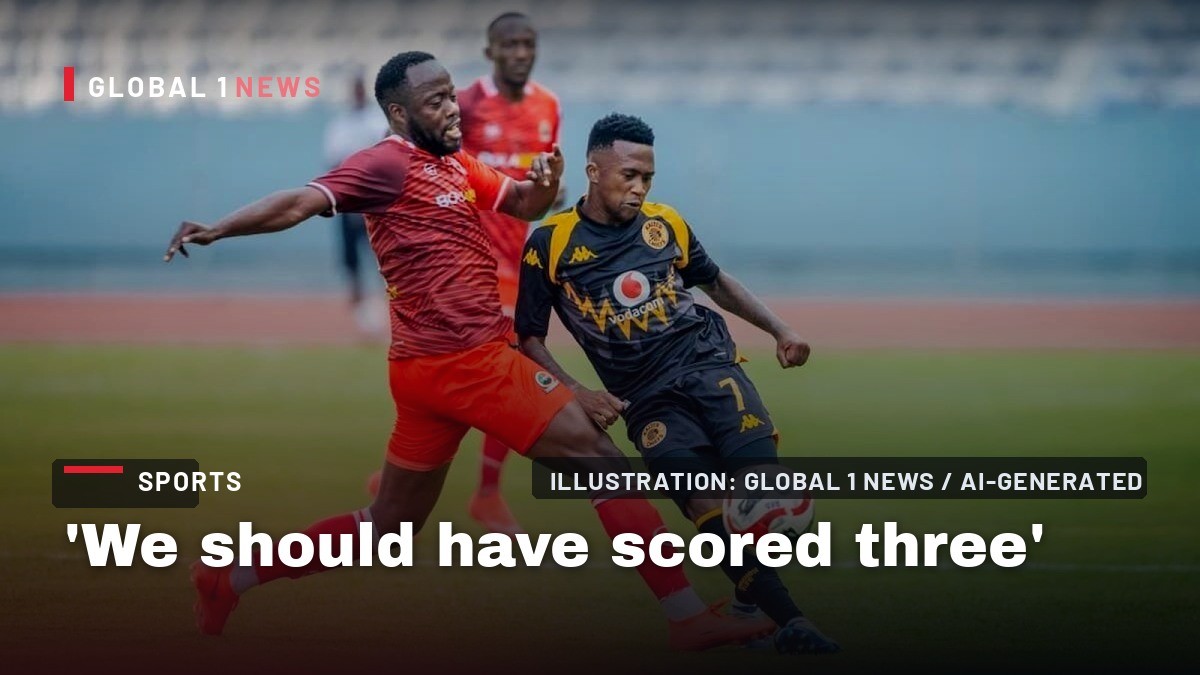
Red Arrows walked off the pitch in Lusaka with a slender 1‑0 lead over Kaizer Chiefs, but coach Chisi Mbewe left the locker room buzzing with a message that goes beyond the single goal. The Zambian side, fresh from a 77th‑minute strike by Alassane Diarra, could have turned the first leg into a three‑goal cushion – a target Mbewe says was clearly within reach given the flood of chances his boys generated. For South African fans, the narrative is already shifting: the Amakhosi now face a daunting two‑goal deficit at FNB Stadium, and the pressure to overturn it will shape the next chapter of this CAF Confederation Cup preliminary round.
Setting the scene: a disciplined preparation
From the moment the draw was announced, Mbewe’s camp approached the tie with a clear tactical blueprint. “Coming into this game, we knew it was not going to be an easy encounter, considering the experience and maturity Kaizer Chiefs have in this competition. We planned for them,” the Red Arrows coach told the media team after the match. The preparation was not merely about matching Chiefs’ technical skill; it was a study in the mental fortitude that South African clubs have honed in continental play. By acknowledging the South African giants’ pedigree, Mbewe signalled respect while also setting a benchmark for his own players to emulate.
The preparation paid dividends in the first half, where the Zambian side displayed a willingness to press high and create space. “I am happy with the way the boys fought and approached the game. Despite missing several chances, they showed great commitment and created numerous opportunities,” Mbewe added. The early rhythm of the match reflected a side that had rehearsed the opposition’s patterns and was ready to exploit any lapse, a hallmark of the meticulous planning that has become a hallmark of successful African clubs.
Missed chances and the three‑goal ambition
Red Arrows’ attacking intent was evident throughout the 90 minutes. The coach’s post‑match comments underline a frustration that is familiar to any fan who has watched a team dominate possession yet fail to convert. “Our target was to score three goals in this game and you could see by the chances we created,” Mbewe said, pointing to the volume of opportunities that slipped through the net. While Alassane Diarra’s late strike broke the deadlock, the tally of chances suggests a performance that could have been far more decisive.
In South African football circles, the notion of a three‑goal margin is not just a statistical goal; it is a psychological weapon. A two‑goal cushion would have forced Chiefs to chase the game from the outset of the return leg, altering their tactical approach and potentially exposing them to counter‑attacks. Mbewe’s candid admission that “sometimes, that is the nature of football. You can create so many chances and end up scoring just one goal,” reflects a sober realism that will shape his team’s mindset as they head to Johannesburg.
The mental edge: avoiding complacency
One of the most telling aspects of Mbewe’s briefing was his warning against complacency. “I think the message to the players is loud and clear. We played the first half of the game. We need very strong mental strength when we travel to South Africa, we don’t need to be complacent,” he emphasized. The coach’s focus on mental resilience mirrors the broader South African discourse on psychological preparation, especially as clubs navigate the rigours of continental travel and hostile environments.
For the Amakhosi, the mental battle will begin before the first whistle at FNB Stadium. The knowledge that they must win by at least two clear goals will test the squad’s belief in their own attacking prowess. South African supporters, accustomed to the ebb and flow of knockout football, will be watching closely to see whether Chiefs can summon the composure that has carried them through previous CAF campaigns.
Strategic implications for Kaizer Chiefs
Kaizer Chiefs now face a tactical conundrum. The 1‑0 deficit forces them to adopt a more aggressive stance, but they must balance that with the defensive solidity that kept them in the tie for a first‑leg win. The requirement to win “by at least two clear goals” means that a single‑goal margin, even if achieved, would be insufficient. This scenario compels the coaching staff to re‑evaluate their formation, perhaps shifting to a more forward‑leaning system that can exploit the space left by Red Arrows when they push forward.
South African pundits will likely dissect Chiefs’ previous continental outings, looking for patterns that can be leveraged. The experience Mbewe referenced – the “experience and maturity Kaizer Chiefs have in this competition” – will be a double‑edged sword. While Chiefs have the pedigree to manage pressure, the memory of a narrow first‑leg loss may serve as a catalyst for a more urgent, high‑tempo approach in the return leg.
Travel logistics and the home‑ground advantage
Red Arrows’ upcoming journey to Johannesburg adds another layer of complexity. The team will be confronting not only a hostile crowd at FNB Stadium but also the logistical challenges of cross‑border travel. Mbewe’s emphasis on “very strong mental strength when we travel to South Africa” acknowledges the psychological impact of playing in a stadium that has witnessed countless South African triumphs.
For Chiefs, the home advantage is a familiar weapon. The roar of the Bafana Bafana‑style support at FNB Stadium can lift a team’s spirit and intimidate visitors. The stadium’s atmosphere, combined with the knowledge that a two‑goal swing is required, could spur Chiefs to an attacking display reminiscent of past CAF nights where South African clubs have turned the tide against underdogs.
What the tie means for African football narratives
This preliminary round encapsulates a broader story of inter‑regional rivalry within African club football. Zambia’s Red Arrows, a side that has been sharpening its continental edge, are challenging the traditional dominance of South African powerhouses. The coach’s admission that three goals would have “put them in a commanding position” underscores the ambition of emerging clubs to rewrite the hierarchy.
For South African fans, the tie is a reminder that the continent’s football landscape is evolving. The Chiefs’ need to overturn a deficit against a well‑prepared Zambian side will test the depth of South Africa’s club talent pool and the strategic acumen of its coaches. The outcome will reverberate beyond the immediate result, influencing how South African clubs approach future preliminary rounds against increasingly sophisticated opponents.
Looking ahead: the stakes of the second leg
As the calendar turns to the second leg, the narrative is set to intensify. Red Arrows will travel to Johannesburg with a clear message: “the job is far from finished despite our first‑leg advantage.” Their confidence will be matched by Chiefs’ determination to erase the deficit. The tactical chess match will hinge on who can best translate their preparation into decisive moments on the pitch.
For the South African sporting community, the result will shape the conversation around continental competitiveness for months to come. A Chiefs comeback would reinforce the notion that South African clubs remain the benchmark in African football, while a Red Arrows triumph would signal a shift towards a more balanced, multi‑nation contest for CAF glory. Whatever the outcome, the tie promises to deliver the drama, passion, and sheer unpredictability that makes African football a cornerstone of our sporting identity.
This article was produced with AI-assisted research and editorial support. Reporting is based on the source material cited below. Sources: The South African; thesouthafrican.com; Global1.News (19 October 2026).
By Dante Williams, Staff Writer
What's Your Reaction?
 Like
0
 Dislike
0
 Love
0
 Funny
0
 Wow
0
 Sad
0
 Angry
0

Breaking News and Investigations Correspondent at Global1.News. Based in London, covering global breaking news, security, and investigative stories. Known for digging deeper and connecting the dots across continents.












Comments (0)