
10 Canadian youths died from injuries during e-scooter, e-bike use in 2025: report
Ten Canadian youths died from injuries during e-scooter, e-bike use in 2025: report Pediatricians are urging better tracking of e-scooter and e-bike injuries after a new report shows a "significant number" of severe injuries and deaths among Canadian youth who used the devices last year.
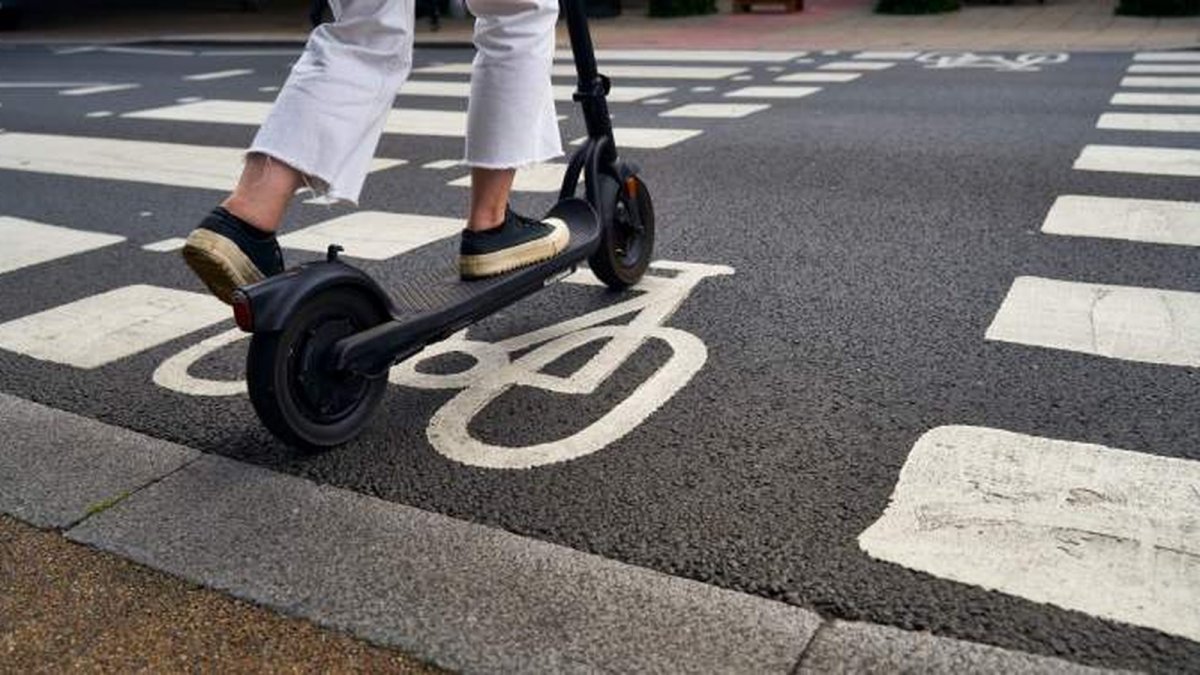
Ten Canadian youths died from injuries during e-scooter, e-bike use in 2025: report
Pediatricians are urging better tracking of e-scooter and e-bike injuries after a new report shows a "significant number" of severe injuries and deaths among Canadian youth who used the devices last year. The data, released by the Canadian Paediatric Surveillance Program (CPSP), marks one of the first comprehensive looks at fatalities involving personal powered micromobility devices (PPMD) beyond media and police reports.
Report findings reveal alarming injury and death toll
The CPSP report, based on a survey of pediatricians conducted in 2025, documented 48 cases of serious injuries or deaths among young riders. Of those cases, 26 involved hospitalizations lasting more than two days, and 12 required admission to intensive care units. Nine additional cases could not be classified by the reporting physicians.
Dr. Daniel Rosenfield said the 10 deaths recorded represent some of the first data on youth fatalities from these devices. "People don't associate these devices with fatalities, right," Rosenfield said in an interview. "As the usage of these devices goes up, which we can tell by the number of kids coming in with minor or moderate injuries, then the number of fatalities will also go up."
E-scooters were the most commonly used device reported among the injuries and deaths. The Canadian Institute for Health Information (CIHI) has documented similar trends, showing 53 injuries requiring hospitalizations among youth aged five to 17 between 2023 and 2024.
The nature of the injuries is particularly concerning to medical professionals. Head injuries accounted for 47 per cent of the severe cases, while limb injuries made up 40 per cent. "So the majority of severely injured people are due to head injuries and remember these aren't injuries that you can walk away from. These people will often have a permanent disability," Rosenfield said.
The data also reveals which age groups are most vulnerable. Youth aged 10 to 15 represented 42 per cent of the cases reported by pediatricians or emergency physicians, with 18 per cent of cases involving children aged five to nine. The average age for incidents was 10 to 12 years old.
A patchwork of provincial rules across Canada
The report highlights a complex regulatory landscape that varies significantly from province to province. Rosenfield said he doesn't blame governments for the patchwork of rules surrounding the operation of e-bikes and e-scooters by youth, but acknowledged the inconsistency creates challenges.
In Ontario, Prince Edward Island and British Columbia, youth must be 16 or older to ride a standard e-bike. Other provinces have lower limits, such as 15 or 14, while some have no age restriction at all. Quebec has an age limit of 18, though those with a Class 6D licence for mopeds or scooters can ride starting at 14.
For e-scooters, Ontario, P.E.I., Saskatchewan and British Columbia have firm age limits of 16, while Quebec and Nova Scotia set the limit at 14. Alberta and Saskatchewan ban e-scooters altogether from public roads, but municipal bylaws allow for their public use in specific cities like Edmonton and Saskatoon. Both provinces don't have a specific age limit, leaving it up to individual municipalities.
The one common factor across most provinces is the requirement for helmets, whether for youth or adults. However, enforcement and education efforts remain inconsistent across the country.
Provinces respond with new measures
Amid calls for strengthened safety regulations, several provinces say they're taking new action or considering potential changes. Nova Scotia announced last week that it plans to ban children under 14 from riding electric bikes this fall.
Alberta says it is amending its Traffic Safety Act to "build a modernized and safer transportation system." A spokesperson for the Department of Transportation told Global News that the province is "considering a provincial framework to support the safe and consistent use of personal micromobility devices, such as e-Scooters and similar small devices, where municipalities enforce and choose to allow them."
Newfoundland and Labrador Minister of Government Services Mike Goosney said in an email that the province is working with other jurisdictions and safety partners to determine the "best approach" to regulating the devices. "Public consultations will soon be starting, and this feedback will help inform legislative amendments that I intend to bring forward for the fall sitting of the House of Assembly," Goosney said.
Global News reached out to Transport Canada to inquire if the federal government has considered working with provinces and territories in finding a standard across the country.
Police enforcement campaigns and community impact
Police in Toronto have launched a two-week enforcement campaign focused on the vehicles, as collisions involving micromobility devices have increased. According to the Toronto Police Service, there were 514 reported micromobility-related collisions involving youth and adults in Toronto this year so far, including two deaths involving e-scooters.
"Through our enforcement and education efforts, we're working to improve awareness and encourage safer use of these devices for everyone on our roads, sidewalks and pathways," a spokesperson for the Toronto Police Service said.
The impact on Canadian families is profound. The deaths and severe injuries documented in the report represent not just statistics but young lives altered or cut short. For families navigating the aftermath of these incidents, the consequences can include permanent disability, lengthy rehabilitation, and significant emotional and financial strain on households and communities.
Hospitals across the country are seeing the results firsthand. Pediatric emergency departments are treating more young people with serious injuries from these devices, and the long-term care requirements for those with head injuries can be substantial. The 47 per cent rate of head injuries is particularly alarming to healthcare professionals, who note that traumatic brain injuries in children can have lifelong implications for cognitive development, education and quality of life.
Expert analysis: Education, enforcement and engineering
Rosenfield said the issue is complex and requires a multi-faceted approach. While he doesn't blame governments for the current patchwork of rules, he said standardization of regulations across the country would be helpful. In the interim, the focus should be on education, enforcement and engineering, he said.
"There's no amount of regulations that will make these safe and no amount of educational campaigns to get everyone to be aware of the potential risks," Rosenfield said. "We have to really start at the absolute top and design a safer vehicle and create standards that mandate that across the country."
That education is still important, with Rosenfield offering practical advice for families. If you're going to ride these devices, wear a helmet, don't ride at excessive speed, and with e-scooters, don't put two people on one device. "That's not an accident, that was completely preventable and predictable," he said.
The call for better tracking of injuries is central to the pediatricians' message. Without comprehensive data, it's difficult to understand the full scope of the problem or to evaluate the effectiveness of safety measures. The CPSP report represents a step forward in that regard, but physicians say more systematic surveillance is needed.
What happens next
As provinces move forward with their respective approaches, the coming months will be critical. Nova Scotia's planned ban on under-14 e-bike riders this fall will be watched closely by other jurisdictions. Alberta's legislative amendments could provide a model for other provinces grappling with the issue. Newfoundland and Labrador's public consultations will gather input from residents before the fall sitting of the House of Assembly.
The federal government's role remains unclear, with Transport Canada yet to respond to questions about potential national standards. The patchwork of provincial rules is likely to persist for the foreseeable future, but the growing body of evidence about the risks may prompt more coordinated action.
For pediatricians like Rosenfield, the priority is clear: prevent further deaths and serious injuries among Canadian youth. The data from the CPSP report provides a foundation for evidence-based policy decisions, but the work is far from complete. As usage of these devices continues to grow, so too does the urgency of finding effective solutions.
The report serves as a reminder that while e-scooters and e-bikes offer convenient and environmentally friendly transportation options, they also carry significant risks, particularly for young riders. Balancing the benefits of these devices with the need to protect children and youth will require ongoing collaboration between healthcare professionals, policymakers, law enforcement and manufacturers.
Tags: e-scooters, e-bikes, youth safety, Canadian Paediatric Surveillance Program, Dr. Daniel Rosenfield, micromobility devices, injury prevention, provincial regulations, Toronto Police Service, Nova Scotia, Alberta, Newfoundland and Labrador, Transport Canada, head injuries, pediatric healthcare
This article was generated with the assistance of AI technology. Source: Global News, Aug 13 2026.
By Alex Thompson, Staff Writer
This article was produced with AI-assisted research and editorial support. Reporting is based on sources cited in the article.
What's Your Reaction?
 Like
0
Like
0
 Dislike
0
Dislike
0
 Love
0
Love
0
 Funny
0
Funny
0
 Wow
0
Wow
0
 Sad
0
Sad
0
 Angry
0
Angry
0

Canada Correspondent at Global1.News. Based in Toronto, covering Canadian politics, energy, trade, and US-Canada relations. Provides the Canadian perspective on North American and global affairs.















Comments (0)