
The FBI Is Investigating a Breach of the Crime Database Every American Cop Queries
The FBI is investigating an apparent breach of the National Crime Information Center, the database police nationwide use to check warrants and run background checks. Two people briefed on the probe say the intrusion was discovered in recent days, the second breach of an FBI system in months.
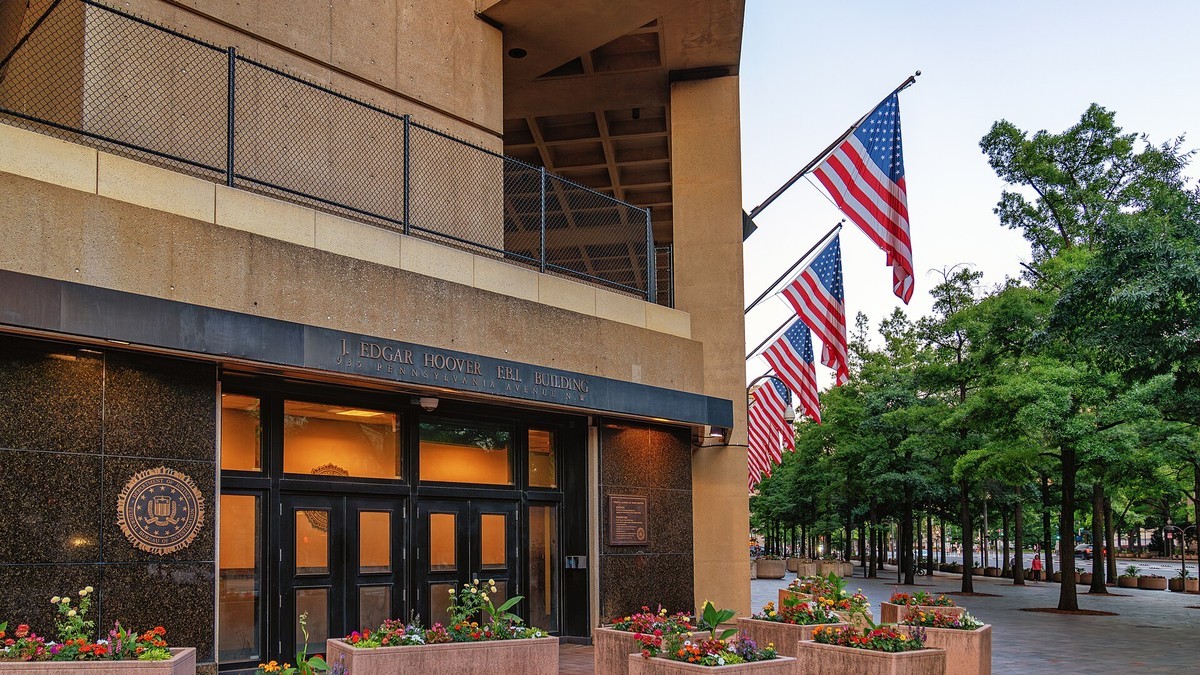
Two people briefed on the investigation say hackers got into the National Crime Information Center. The bureau is not confirming it, denying it, or explaining what, if anything, was taken.
The FBI Is Investigating a Breach of the Crime Database Every American Cop Queries
Washington, D.C. – November 21, 2026 — The database federal agents call the lifeline of law enforcement is under investigation, and the public is being told almost nothing about it.
What the Bureau Will Not Say
CNN reported Friday evening that the FBI is investigating an apparent breach of its National Crime Information Center, citing two people briefed on the investigation. NBC News reported the same thing later that night, also citing two people briefed on the matter, and noted that the bureau had no comment as of Friday night. The FBI did not immediately respond to a request for comment from Reuters. The intrusion was discovered, according to those accounts, in recent days.
That is the whole of what is officially on the record, and most of it is not official at all. The FBI has not confirmed the breach, has not described its scope, has not named a suspect and has not said whether any police agency outside Washington has been told to change how it uses the system. What is established is narrower and more uncomfortable: for the second time in a matter of months, someone appears to have reached inside an FBI system, and the bureau's answer has been silence.
The System Behind a Traffic Stop
NCIC is not a website. It is a closed network that the FBI's Criminal Justice Information Services Division maintains in Clarksburg, West Virginia, and it is the reason a patrol officer in Georgia can learn in milliseconds that the car in front of him was reported stolen in Oregon.
The FBI's own description is blunt about its reach. The system began in 1967 with five files and 356,784 records; by 2023 it carried 22 files and more than 18 million active records, and it serves more than 100,000 criminal justice and law-enforcement partners. The CJIS Division's 2025 year-in-review put the total at an all-time high of more than 19.3 million records, with an availability rate of 99.8 percent. Those 22 files cover warrants, missing and unidentified people, protection orders, the national sex offender registry, identity theft victims, gangs, supervised release, stolen vehicles, guns and license plates.
A Changed Record Is Worse Than a Stolen One
The instinct is to ask what the hackers took. A former FBI official who ran investigations into cybercriminal groups told CNN the more serious question is what they could have changed.
“Every day, officers across the country rely on NCIC to identify wanted fugitives, check for outstanding warrants, and access information that can directly impact officer and public safety,” the official said. “My concern isn't simply whether hackers gained access to sensitive information, although that is an issue, but whether they could compromise the accuracy of the information that officers rely on.”
That concern has a mechanical basis. The FBI states that a hit from NCIC is not probable cause for an arrest, and that an agency must confirm the record with the agency that entered it before acting. That safeguard assumes the record is true when it is read. A record that has been edited, deleted or planted defeats the confirmation step, because the officer is verifying a lie against the same corrupted source. No one has said any record was altered. No one has said it was not.
The September Breach Is Still Open
This is not the bureau's first bad quarter. In September, a digital extortion group called ShinyHunters breached FBIJobs.gov, the bureau's employment portal, and claimed data on roughly 38,000 current and former employees: names, home addresses, mobile numbers, FBI email addresses, employee identification numbers, and emergency-contact details that included Social Security numbers. More than 8,000 state and local officers who served on FBI task forces were caught in it as well.
The FBI confirmed the incident and blamed “a failure of a platform managed by a third-party vendor.” Reporting by MS NOW and the Times of India tied it to an unpatched Oracle PeopleSoft flaw that Google's threat intelligence unit had flagged publicly in June. The group released a sample of 5,000 records and said it did not intend to publish the rest. A Canadian cybersecurity researcher has been arrested and faces charges in connection with the case. Two months on, CNN reports that some employees still felt left in the dark about whether their own files were among them.
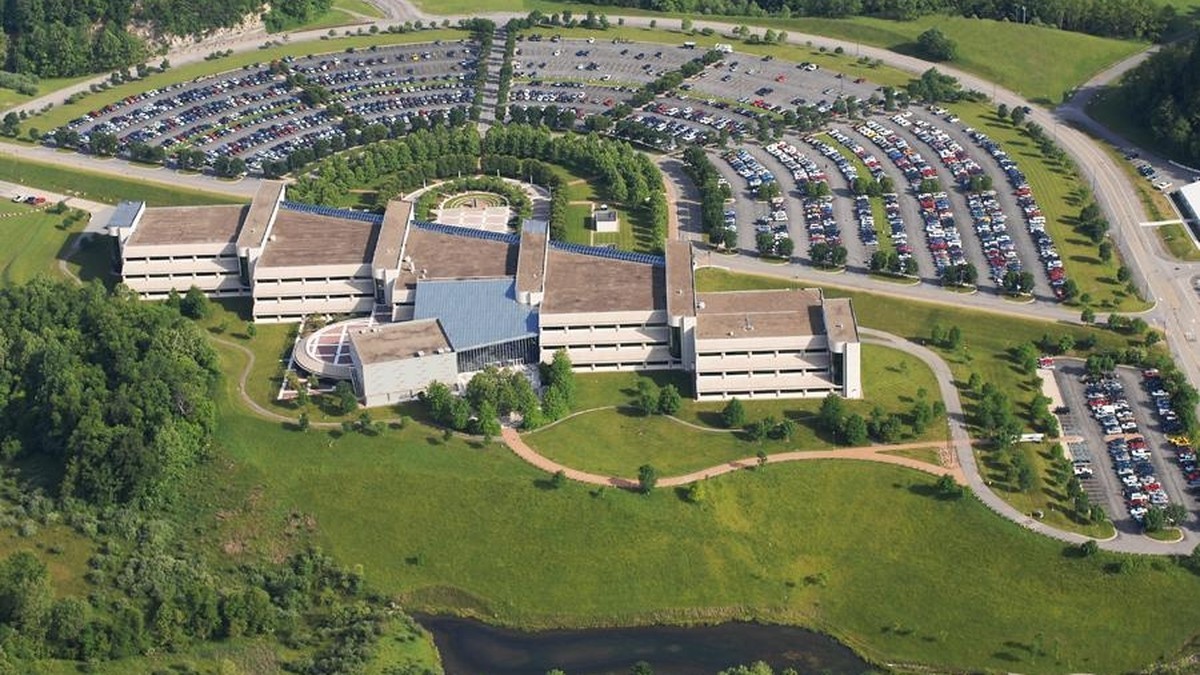
A Week Inside the Agriculture Department
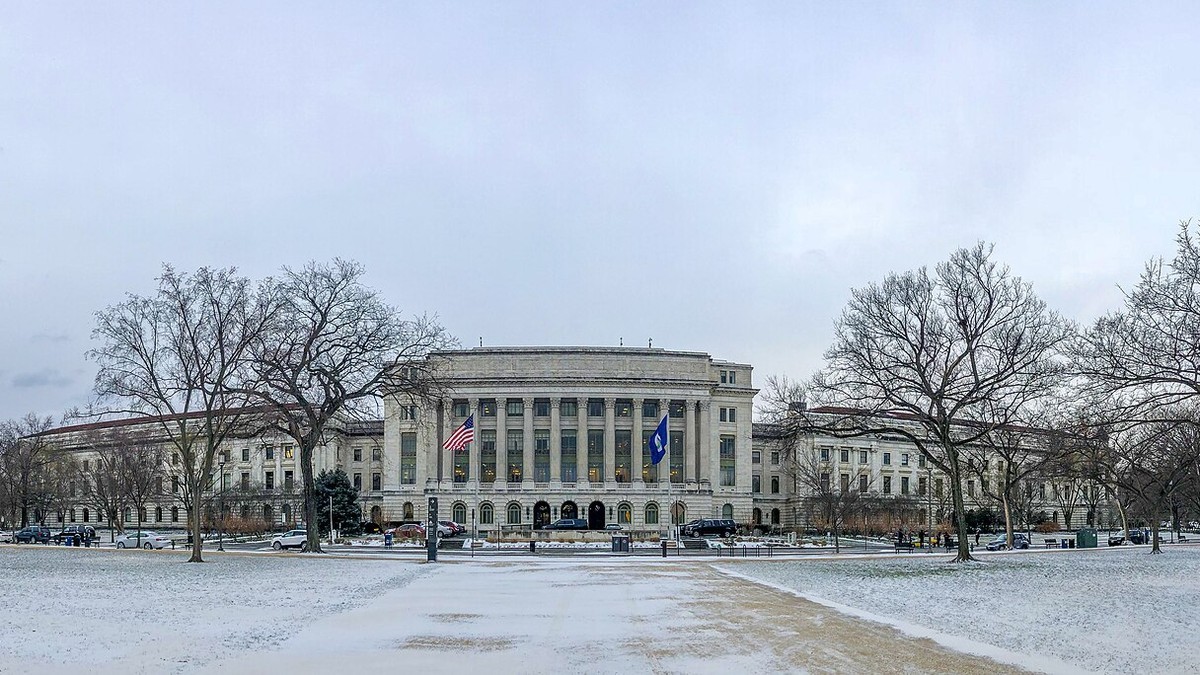
The FBI is not the only agency that spent the week fighting its own computers. At the Department of Agriculture, an official confirmed to DTN that the department's systems were hit by a cyberthreat, delaying farm loans, payments and conservation work, with outages reported from Monday in the Farm Service Agency's loan software and in a conservation program that releases farmer payments.
Richard Fordyce, the undersecretary for farm production and conservation, told reporters in Kansas City the episode was a “cyberthreat” and not a “software update.” He added: “There was no Personally Identifiable Information (PII). No data was lost because the systems that protect against cybersecurity threats worked.” Restoring service required shutting systems down to restart them, and most should have been back by the close of business Friday.
Internal messages told a messier story. An email sent Monday said the department's cybersecurity operations center had “uncovered a security incident” that forced a reset of all database passwords in all environments, which in turn forced resets of every application. A Tuesday message to employees warned: “While some applications may appear to be coming back online, they have not yet been fully restored or verified for production use. Proceed at your own risk.”
The Watchdog Had Already Written It Down
The same week, the Government Accountability Office published a finding that makes the Agriculture Department's assurances harder to accept at face value. The GAO concluded that USDA and the Food and Drug Administration have not fully implemented federal requirements for cybersecurity across the food and agriculture sector, leaving 16 requirements unaddressed, including emergency preparedness and sharing real-time threat information with the Cybersecurity and Infrastructure Security Agency.
USDA disagreed with the recommendations and asked the GAO to remove or redirect them. Department officials told auditors they had no plans for further cyber exercises based on potential incidents in the sector. Fordyce declined to comment on the report. He did concede one thing to DTN: the loan modernization now scheduled for early 2027 is, in his words, “a decade or two late.” The timing is not abstract. Producers have until December 11 to elect and enroll in the 2026 Agriculture Risk Coverage and Price Loss Coverage programs, and dairy producers until December 18 to enroll in 2027 Dairy Margin Coverage.
The Outages Are a Different Story
It would be easy, and wrong, to fold this into the rest of the week. Online banking at JPMorgan Chase, Bank of America and Wells Fargo was disrupted; a Microsoft outage hit hundreds of millions of users; a nationwide halt to air travel disrupted more than 18,000 flights; and a classified internal network used by the National Security Agency went down Tuesday during maintenance and was restored by Friday.
Officials have drawn a line. Intelligence officials told Congress on Wednesday that the recent technology outages were separate incidents tied to maintenance and technical changes, not evidence of a coordinated cyberattack. The air traffic halt was attributed to a technical malfunction. The National Security Agency outage showed no sign of an attack. The Straits Times reported that officials said the wider outages were not linked to criminal activity. The FBI intrusion and the Agriculture Department breach are the two items in the week that officials have described as hacks rather than failures.
What the Director Said on Television
On Thursday, after bureau officials learned of the new incident, FBI Director Kash Patel went on Fox News and talked about cybersecurity. He did not mention the breach. He talked instead about Operation Winter Shield, a 60-day campaign run earlier this year to push companies and critical-infrastructure operators to patch their systems, and he described it as though it were still running.
“Other administrations could have made these updates, but they didn't,” Patel said. “We are staying ahead of the curve and making up for lost time.” In September testimony he told the Senate Judiciary Committee that all 56 field offices had taken part, with more than 600 engagements across 14 critical infrastructure sectors. By Friday he was citing more than 750 private-sector companies engaged, more than 200 cybercriminals arrested and six suspects extradited, alongside a companion enforcement operation the bureau says produced 13 coordinated actions and more than $23 million in seized or frozen funds. On X he wrote: “America's cybersecurity is stronger under this administration, and for anyone who targets the American people, we will hunt you down and bring you to justice.”
The Questions Nobody Has Answered
Strip away the statements and a short list of questions remains, each one unanswered on the record. Which NCIC records, if any, were viewed? Were any copied? Were any altered, deleted or made temporarily unavailable? How did the intruder get in? Is the entry point closed? Have the state and local agencies that query the system been warned, and have they been told to re-verify records in any particular file?
There is also the question the public will ask and the bureau has not addressed: if ordinary people's records sit in this system, how would they ever know? NCIC holds protection orders, identity-theft victim files and missing-person entries alongside its warrants. There is no public notice mechanism attached to it, no lookup, no letter. The only people positioned to detect a corrupted record are the officers reading it and the agencies that entered it, and neither group has been told publicly what to look for.
What to Watch
Three things would move this story: whether the FBI acknowledges the intrusion and describes which files were reached; whether the CJIS Division has issued guidance to the state systems agencies that administer NCIC access, and whether local departments have been told to re-verify records before acting on them; and attribution, the one most likely to stay unanswered for months, because naming an actor requires evidence the bureau has not offered.
Until then, the practical situation is simple and uncomfortable. A system that police depend on to decide whether to draw a weapon or take a child into custody is being examined for tampering by the agency that runs it, and that agency has not said what it found. The breach may prove shallow. It may not. Either way, an answer is owed to every officer running a plate tonight, and to every person whose name is in the file.
By Jessica Ali, Staff Writer
This article was produced with AI-assisted research and editorial support. Sources: CNN, NBC News, Reuters, DTN/Progressive Farmer, Nextgov/FCW, New York Post, Times of India, POLITICO, Newsweek, The Statesman, Straits Times, Hindustan Times, and the FBI's own NCIC and CJIS Division publications. Photographs: FBI headquarters by Tony Webster (CC BY 2.0); the Criminal Justice Information Services facility and the USDA's Jamie L. Whitten Building via the Federal Bureau of Investigation and the U.S. Department of Agriculture.
What's Your Reaction?
 Like
0
 Dislike
0
 Love
0
 Funny
0
 Wow
0
 Sad
0
 Angry
0

Editor-in-Chief at Global1.News. Atlanta-based journalist who cuts through the BS and tells it like it is. Lead anchor, host, and the voice you hear when the spin stops and the truth starts.














Comments (0)