
‘Arrogant’ mayor given the boot, but his critics are still fuming
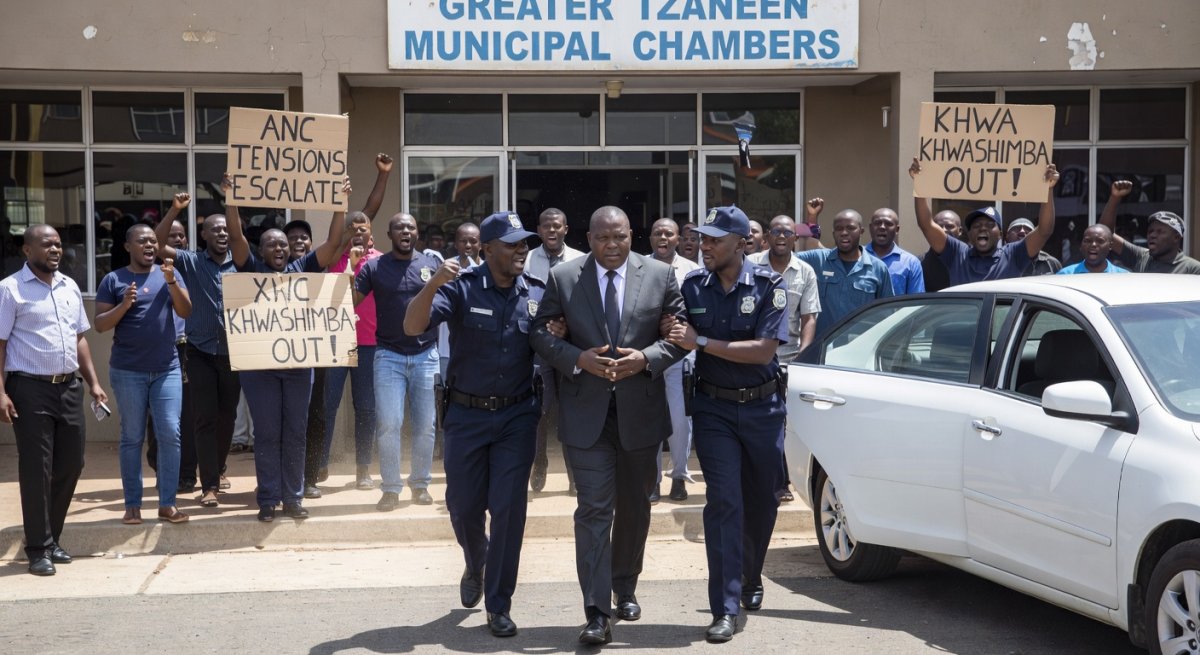
The removal of Phetole Gerson “Khwakhwashimba” Molapisane as mayor of Greater Tzaneen marks a sharp escalation in internal ANC tensions in Limpopo’s largest municipality. A special council sitting held on Monday at the Greater Tzaneen municipal chambers voted him out, a move the ANC Youth League in the Norman Mashabane region immediately hailed as “good riddance.” Yet the decision has left critics fuming, suggesting that deeper grievances over leadership style and accountability remain unresolved.
This outcome matters now because local municipalities in Limpopo continue to grapple with service delivery failures and factional battles that directly affect residents’ daily lives. The ousting of an elected mayor through internal party pressure reveals how quickly political consensus can fracture when accusations of arrogance surface.
The Special Council Sitting and Its Outcome
The special sitting convened at the municipal chambers provided the formal mechanism for councillors to act against Molapisane. In South African local government, such sittings allow for motions of no confidence or removal when a majority agrees that continued leadership is untenable. The vote succeeded, ending Molapisane’s tenure as mayor. Details of the exact margin or individual voting records have not been released publicly, but the result was decisive enough to be implemented immediately. The ANC Youth League’s swift endorsement framed the removal as long overdue, reflecting frustration that had built over time within the Norman Mashabane region, described as Limpopo’s largest ANC organisational structure.Criticism of Arrogance and Lingering Discontent
Molapisane’s critics have consistently described him as arrogant, a characterisation that appears to have contributed to his downfall. The label suggests a leadership approach perceived as dismissive of colleagues and community concerns rather than collaborative. Even after the council action, those same voices remain vocal, indicating that the removal has not fully quelled underlying anger. This persistent criticism points to a broader pattern in South African municipal politics where personal style can become a flashpoint. When leaders are viewed as disconnected, even procedural victories such as a council vote fail to restore trust. The fact that critics are “still fuming” implies that future stability in Greater Tzaneen will require more than a change at the top; it will demand visible efforts to address the grievances that fuelled the motion in the first place.The ANC Youth League’s Position in Regional Politics
The ANC Youth League’s statement of approval carries weight because the Norman Mashabane region represents one of the party’s strongest organisational bases in Limpopo. Youth League structures often serve as early warning systems for discontent among younger members and emerging leaders. Their characterisation of the removal as “good riddance” signals alignment between organisational sentiment and the council decision. At the same time, the Youth League’s role highlights how internal ANC dynamics can drive formal governmental processes. When league structures publicly back the ousting of a mayor, it underscores the interconnected nature of party and state institutions. This interplay can accelerate accountability but also risks turning routine administrative changes into public spectacles that further erode public confidence in local government.Background Context: Municipal Leadership Challenges in Limpopo
Greater Tzaneen, like many municipalities in Limpopo, operates under intense scrutiny over basic service delivery, infrastructure maintenance, and financial management. Leadership instability at the mayoral level tends to compound these challenges by interrupting ongoing projects and policy continuity. The Norman Mashabane region’s size amplifies the significance of any shift in Tzaneen, as decisions taken there can influence broader provincial dynamics within the ANC. Accusations of arrogance often intersect with concerns about transparency and responsiveness. Residents and party members alike expect mayors to maintain open channels of communication, particularly on issues such as water supply, roads, and local economic development. When that expectation is not met, internal party mechanisms become the primary avenue for redress, as seen in Monday’s sitting.What Happens Next for Greater Tzaneen
Attention now turns to the process of selecting Molapisane’s successor and restoring functional governance. The ANC will need to demonstrate that the new leadership addresses the concerns that led to the previous mayor’s removal. Failure to do so could prolong factional friction and invite further interventions from both the Youth League and other party structures. Residents of Greater Tzaneen will watch closely for signs that service delivery improves rather than stalls during the transition. The episode serves as a reminder that local political accountability, while sometimes achieved through dramatic council actions, ultimately depends on sustained performance and inclusive leadership practices.By Dante Williams, Staff Writer
This article was produced with AI-assisted research and editorial support. Reporting is based on sources cited in the article.
What's Your Reaction?
 Like
0
Like
0
 Dislike
0
Dislike
0
 Love
0
Love
0
 Funny
0
Funny
0
 Wow
0
Wow
0
 Sad
0
Sad
0
 Angry
0
Angry
0

Dante Williams
Breaking News and Investigations Correspondent at Global1.News. Based in London, covering global breaking news, security, and investigative stories. Known for digging deeper and connecting the dots across continents.











Comments (0)