
Alberta Separation Referendum: Economic Impact of Leaving Canada
Alberta Separation Referendum: What Leaving Canada Would Mean for the Province's Economy As Albertans prepare to head to the polls on Oct. 19 for a referendum on whether to remain in Canada or begin the process toward independence, business leaders, economists and municipal officials are warning that the separation debate itself is already taking an economic toll on the provinc
Alberta Separation Referendum: What Leaving Canada Would Mean for the Province's Economy
As Albertans prepare to head to the polls on Oct. 19 for a referendum on whether to remain in Canada or begin the process toward independence, business leaders, economists and municipal officials are warning that the separation debate itself is already taking an economic toll on the province. The question of Alberta's place in Confederation has moved from fringe discussion to the ballot box, and the implications — for investment, jobs, and the province's long-term economic stability — are drawing scrutiny from across the country.
Tags: Alberta separation, referendum 2026, Alberta economy, Stay Free Alberta, equalization, Calgary economy, energy policy, Canadian federalism
The Economic Stakes of Separation
Calgary, Alberta – June 4, 2026 — In the weeks and months before Albertans learned they would be voting on whether to remain in Canada or start the process toward a binding referendum on leaving, a small but growing chorus of business and political leaders began sounding the alarm about what independence could cost.
Calgary Mayor Jeromy Farkas officially joined that chorus in April during an address at the annual report to the community hosted by Calgary Economic Development. "I want to talk about why Canada still matters," Farkas told the audience, earning applause as he opened his remarks. The mayor acknowledged that the frustrations driving separatist sentiment are genuine, but warned of concrete economic risks including "capital flight, weakened investor confidence, and years of instability."
"Independence would mean turning our backs on the very partnerships that have helped make Alberta such a success," Farkas said.
Stay Free Alberta and the Road to the Referendum
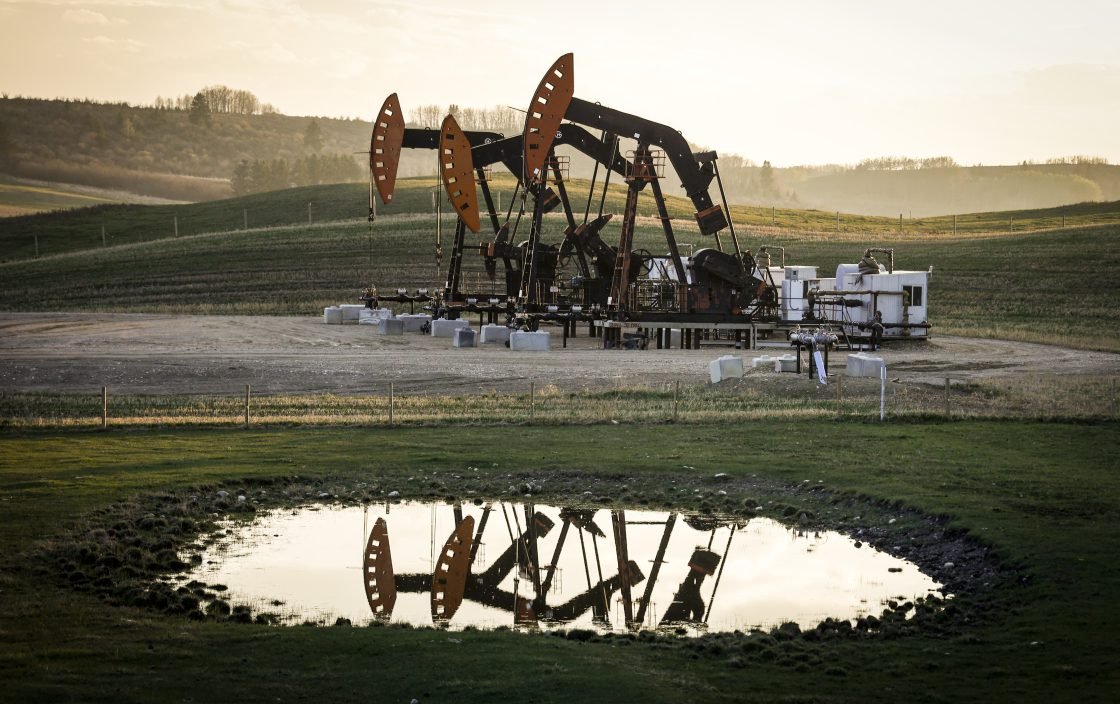
The referendum question on Oct. 19 asks voters whether Alberta should remain in Canada or begin the process toward a binding vote on secession. The question was placed on the ballot after organizers with the separatist group Stay Free Alberta gathered sufficient signatures to force the measure. The vote comes at a pivotal moment for Alberta's relationship with the federal government, following a recently reached energy deal that could see a new pipeline to the west coast approved by September 2027. The Alberta government plans to submit an application to the Major Projects Office by July 1, though the proposed pipeline is still without a private-sector proponent.
Richard Masson, the former chief executive officer of the Alberta Petroleum Marketing Commission, told Global News that the separation debate is unfolding at a time when there is genuine demand for Canadian oil and gas abroad. "There, we end up shooting ourselves in the foot, in my opinion," Masson said. "We need to work with B.C., with Canada, with Indigenous groups, to develop lasting partnerships."
Business Community Voices Concerns
A survey conducted by the Alberta Chambers of Commerce found that more than half of respondents believed even the separatist discourse alone was having a negative impact on the provincial economy. Calgary Economic Development chief executive officer Brad Parry acknowledged the uncertainty when asked whether the separatist sentiment was affecting investment decisions. "Have we seen decisions being paused? Absolutely. Have we seen them be stopped? No," Parry told reporters after the April event. "Our point of view is simple: we still have the best business environment in Canada, if not North America."
Calgary Chamber of Commerce president Deborah Yedlin offered a more cautionary assessment, describing claims by independence proponents as "one-sided, back of the envelope math." She noted that an independent Alberta would be the 125th largest country in the world from an economic standpoint. "No diversification of risk, no ability to share costs, we would have to deal with everything from defence, to currency, to passports, to diplomatic services that you would have to develop all over the world," Yedlin said.
Municipal Leaders Sound the Alarm
Edmonton Mayor Andrew Knack has also weighed into the economic debate, saying he is already fielding questions from the business community about whether they should invest in the provincial capital amid the uncertainty surrounding the referendum. "It harms our ability to attract economic investment, which in turn affects municipalities' financial sustainability, which in turn affects peoples' property taxes," Knack said.
Trevor Tombe, an economist at the University of Calgary, said it is challenging to quantify the precise impact the separation sentiment is having on the provincial economy, though he acknowledged the situation has added another layer of economic uncertainty for businesses making long-term investment decisions.
The Case for Independence
Proponents of an independent Alberta have argued that secession would bring a prosperous future for Albertans, citing the elimination of federal policies they say are holding the province back economically. The Alberta Prosperity Project (APP) argues the province would be richer if it were not required to pay billions of dollars in equalization and federal taxes. A document published by the APP suggests this could result in a $45-billion surplus for an independent Alberta.
The group claims sovereignty would allow Alberta to tailor its fiscal and taxation policies "specifically to its economic conditions," potentially enabling deep tax cuts through increased control over energy and natural resource policies. The APP projects that oil and gas production in an independent Alberta would increase enough to boost direct revenue by more than 130 per cent by 2045, while promising improved or maintained levels for government services funded by a new five per cent sales tax.
Canadian Context: Federal-Provincial Relations and the Energy File
The referendum comes against a backdrop of longstanding tensions between Alberta and the federal government over energy policy, equalization payments, and environmental regulation. The question of whether Alberta receives fair treatment within Confederation has been a recurring theme in Western Canadian politics for decades, and the current debate echoes similar movements in the province's history. The recently negotiated energy deal between Alberta and Ottawa, which includes a pathway for a new pipeline to the west coast by 2027, represents a significant shift in federal-provincial energy relations — though critics argue the separation debate risks undermining the progress that has been made.
The outcome of the referendum could have ripple effects well beyond Alberta's borders. A vote to begin the process toward independence would raise complex constitutional questions about the division of federal assets and liabilities, the status of Indigenous treaties and land claims, border arrangements with neighbouring provinces and the United States, and the future of programs like the Canada Pension Plan and medicare in an independent Alberta.
What Happens Next
The referendum on Oct. 19 will ask Albertans whether they wish to remain in Canada or begin the process toward a binding vote on secession. It is the first step in what would be a lengthy and constitutionally complex process, should the vote favour separation. In the meantime, business leaders, municipal officials and economists will be watching closely for signs that the ongoing uncertainty is affecting investment decisions, job creation and the province's overall economic trajectory.
The coming months will test whether Alberta's frustration with Confederation can be translated into constructive federal-provincial reform — or whether the path toward separation, once begun, proves difficult to reverse. For now, the debate itself is already reshaping the economic conversation in Canada's energy heartland.
By Alex Thompson, Staff Writer
This article was produced with AI-assisted research and editorial support. Reporting is based on sources cited in the article.
What's Your Reaction?
 Like
0
Like
0
 Dislike
0
Dislike
0
 Love
0
Love
0
 Funny
0
Funny
0
 Wow
0
Wow
0
 Sad
0
Sad
0
 Angry
0
Angry
0

Canada Correspondent at Global1.News. Based in Toronto, covering Canadian politics, energy, trade, and US-Canada relations. Provides the Canadian perspective on North American and global affairs.














Comments (0)