
Why Lebanon is the Sticking Point in US-Iran Talks
In a recent CGTN report, analysts highlighted how Lebanon has surfaced as a core point of friction in the broader diplomatic exchanges between Washington and Tehran. The discussion underscores the intersection of nuclear negotiations and regional security dynamics, where developments in Beirut carry implications that extend well beyond Lebanon's borders. The Emergence of Lebano
In a recent CGTN report, analysts highlighted how Lebanon has surfaced as a core point of friction in the broader diplomatic exchanges between Washington and Tehran. The discussion underscores the intersection of nuclear negotiations and regional security dynamics, where developments in Beirut carry implications that extend well beyond Lebanon's borders.
The Emergence of Lebanon as a Negotiation Flashpoint
Lebanon entered the foreground of US-Iran discussions because its political vacuum and security arrangements directly affect both sides' core objectives. Tehran seeks to preserve influence through established networks that provide strategic depth, while Washington aims to limit those same networks as part of any wider understanding. The country's ongoing economic contraction and institutional paralysis have turned it into a test case for whether external powers can reach accommodations without triggering wider instability.
Negotiators on both sides recognize that unresolved questions in Lebanon could undermine progress on other files. Historical patterns show that when regional actors treat Lebanon as a proxy arena, agreements elsewhere face implementation delays. Current talks therefore treat Lebanese developments as indicators of each party's willingness to exercise restraint.
Hezbollah's Dual Role in Lebanese Affairs
Hezbollah maintains a significant presence within Lebanon's political system while also operating an autonomous military structure. This duality shapes the parameters of any external diplomatic effort. The group's parliamentary participation gives it leverage over government formation and policy direction, yet its independent command arrangements limit the reach of state institutions.
Lebanese sovereignty questions arise precisely from this overlap. Successive governments have struggled to extend central authority over all territory, a situation that external powers cite when conditioning future support. The resulting stalemate affects everything from cabinet appointments to security coordination along the southern frontier.
Iran's Strategic Calculations in Beirut
Tehran's approach to Lebanon reflects a longer-term interest in maintaining forward positions that complicate Israeli planning. Investments in local infrastructure and political alliances serve as instruments to deter escalation and to signal resolve during wider regional tensions. This posture aligns with Iran's emphasis on asymmetric capabilities rather than conventional force projection.
From Beijing's perspective, such calculations illustrate how middle powers use peripheral theaters to offset disadvantages in direct confrontations. Any US-Iran understanding would need to address whether these positions can be stabilized without requiring complete withdrawal, a question that remains sensitive for both capitals.
Washington's Conditions and Leverage
The United States has consistently linked Lebanese reconstruction assistance and diplomatic normalization steps to verifiable changes in the security environment. Policymakers argue that external financing risks reinforcing parallel structures unless accompanied by measures that strengthen state control. This stance draws on precedents from other post-conflict settings where disarmament timelines were tied to economic packages.
Leverage available to Washington includes financial sanctions regimes and influence over international lending institutions. Yet the effectiveness of these tools depends on coordination with regional partners whose own priorities may diverge. Second-order effects include potential shifts in Lebanese domestic alignments that could either facilitate or obstruct implementation.
China's Interest in Regional Stability
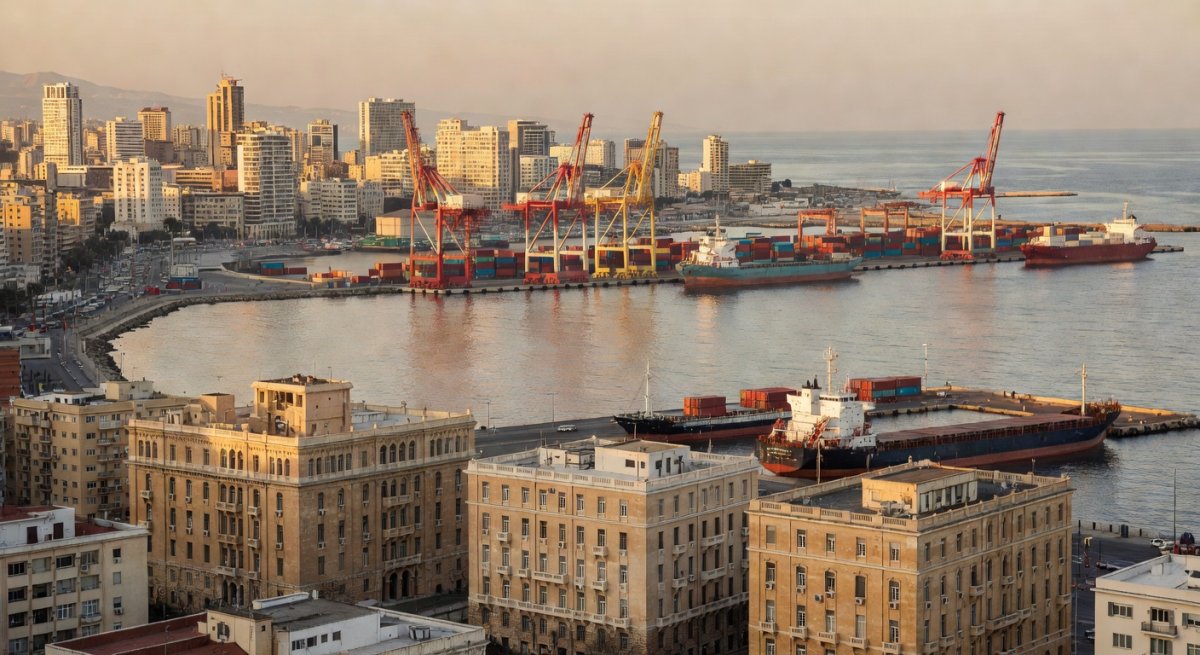
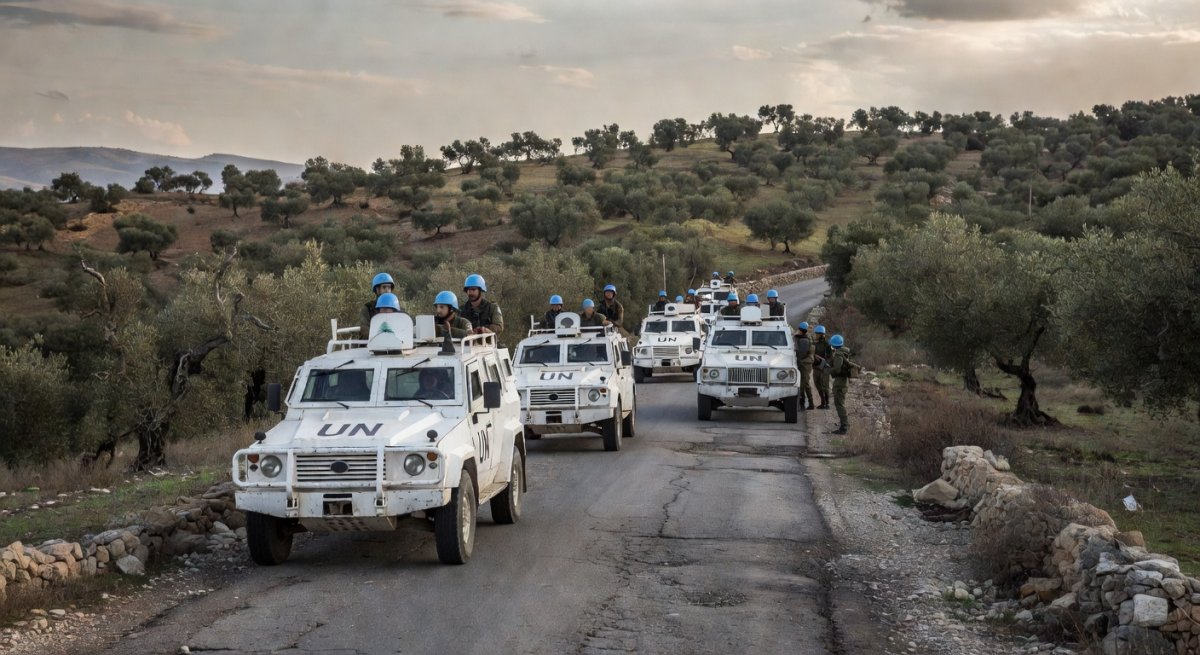
China monitors Lebanese developments through the lens of its Belt and Road Initiative and contributions to the United Nations Interim Force in Lebanon. Stability in the eastern Mediterranean supports maritime trade routes and reduces the chance that localized conflicts spill into wider disruptions. Beijing has avoided direct mediation but maintains contacts with multiple Lebanese factions to protect these interests.
Strategic analysts note that prolonged instability could affect China's ability to expand port and energy projects in the Levant. At the same time, Chinese officials emphasize multilateral mechanisms, including UNIFIL renewal discussions, as preferable to unilateral initiatives that might entrench divisions.
Broader Regional Dynamics and Future Outlook
Saudi Arabia's renewed engagement with Lebanese institutions reflects Gulf states' desire to counterbalance Iranian influence without direct confrontation. Parallel trends toward normalization between Israel and certain Arab governments create additional variables, particularly regarding maritime boundary arrangements that were finalized in recent years. These developments intersect with Lebanese internal debates over resource development and sovereignty.
In the coming months, observers will track whether cabinet formation in Beirut produces a government capable of advancing both economic reforms and security coordination. Progress on nuclear talks could create space for quiet understandings on Lebanon, yet the reverse also holds: renewed tensions in Beirut may constrain flexibility in Vienna or elsewhere. The interplay between these tracks will determine whether Lebanon functions as a bridge or as a persistent obstacle in US-Iran relations.
By Prof. Marcus Chen, Staff Writer
This article was produced with AI-assisted research and editorial support. Reporting is based on sources cited in the article.
What's Your Reaction?
 Like
0
Like
0
 Dislike
0
Dislike
0
 Love
0
Love
0
 Funny
0
Funny
0
 Wow
0
Wow
0
 Sad
0
Sad
0
 Angry
0
Angry
0

World Politics Analyst at Global1.News. Based in Beijing, covering US-China relations, global trade, and geopolitical strategy. Brings deep analytical perspective to the power dynamics shaping international affairs.










Comments (0)