
Pixel Tag, Google’s $30 Android-ready answer to Apple’s AirTag, is now available
Google finally rolled out its Pixel Tag, the Android‑centric answer to Apple’s AirTag, and the move is worth a hard look from anyone running a hosting or IoT operation.
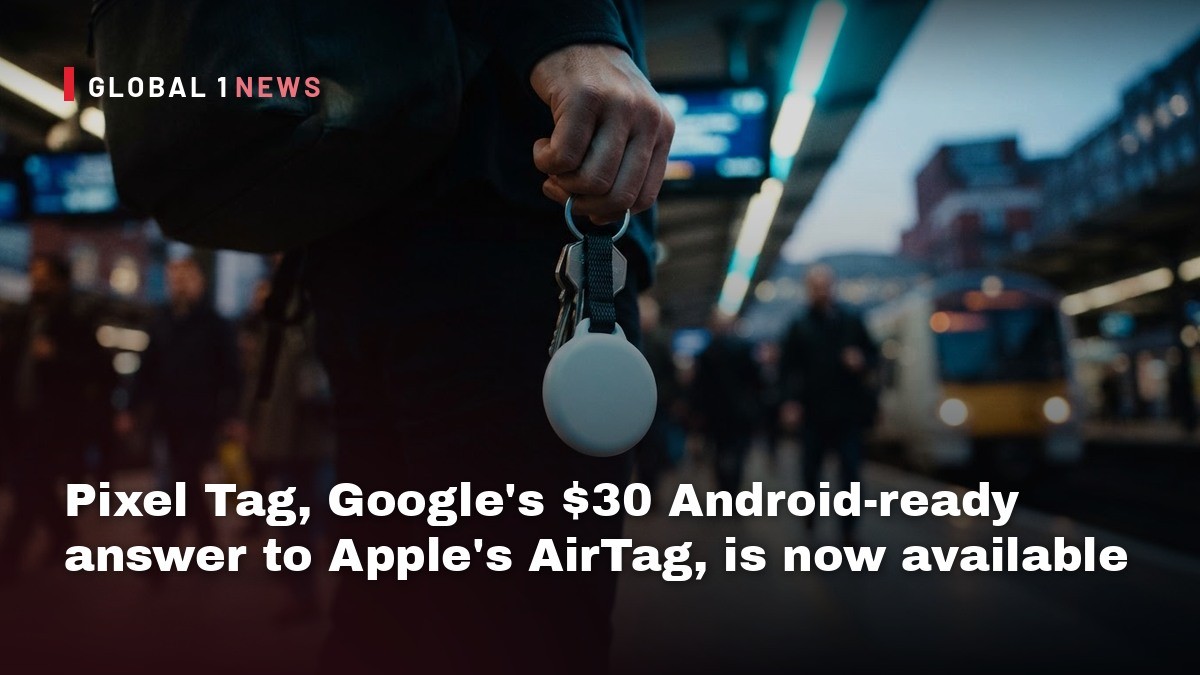
Google finally rolled out its Pixel Tag, the Android‑centric answer to Apple’s AirTag, and the move is worth a hard look from anyone running a hosting or IoT operation. The $29.99 device ships with Bluetooth, ultra‑wideband and a modest speaker, but the real story is the reliance on Google’s crowdsourced network of over a billion Android devices. That network is a double‑edged sword: it offers coverage at scale, yet it also hands a massive amount of location data to a single, ad‑driven ecosystem. For independent hosting providers, the question isn’t just “does it work?” but “what does it cost us in privacy risk and bandwidth when we support millions of devices that might ping our APIs?”
Design Choices That Matter to the Server Farm
The Pixel Tag’s form factor is slimmer than Apple’s round AirTag, measuring 1.1 inches wide, 1.8 inches tall and a thin 0.2‑inch depth. The lighter weight—just 0.4 oz—means it can be slapped onto keychains, bags or even small IoT sensors without adding bulk. From an infrastructure standpoint, that size difference translates into a lower material cost and a simpler packaging line, something we’ve seen matter when scaling production in the Caribbean. The device also sports IP67 water and dust resistance, a feature that reduces warranty claims for rugged deployments.
What catches my eye is the built‑in speaker that can blast up to about 80 decibels. In a noisy warehouse or a data centre, that volume is enough to be heard over ambient hum, but it also means the tag can be used as a simple alert mechanism. I’ve repurposed similar speakers on edge devices to signal power loss, and the Pixel Tag’s hardware could be hacked for that purpose—provided you’re willing to tinker with a consumer product.
Connectivity: Bluetooth, UWB and the Crowdsourced Network
Google leans on Bluetooth and ultra‑wideband (UWB) for “precision finding,” mirroring Apple’s approach. The UWB chip offers directional guidance, which is great for a user with a Pixel Watch trying to locate a misplaced wallet. However, the real kicker is the reliance on a crowdsourced network of over a billion Android phones. Each device can act as a beacon, picking up the tag’s Bluetooth signal and reporting its location back to Google’s servers.
From a hosting perspective, that network generates a constant stream of small data packets that must be ingested, filtered and stored. If you’re running a private instance of a Find‑Hub‑style service, you’ll need to provision bandwidth for potentially billions of pings. That’s a cost model that dwarfs the modest $29.99 price tag and raises questions about scalability and data‑privacy compliance, especially under GDPR or Caribbean data‑sovereignty laws.
Battery Life and Replaceability: A Practical Concern
The Pixel Tag uses a user‑replaceable CR2032 coin cell, promising up to a year of life out of the box. That’s a sensible choice for a device meant to sit on a keyring for months without maintenance. In my own fleet of edge routers, we’ve struggled with sealed‑in batteries that require full device replacement—costly and wasteful. A replaceable cell means you can service the tag in the field, extending its useful life and keeping e‑waste down.
But remember, the battery claim is a “up to one year” figure. Real‑world usage—especially with the speaker blasting at 80 dB—can shave that down. If you’re deploying tags in a logistics chain, factor in a battery‑swap schedule. Otherwise you’ll end up with a silent tag that can’t ping the network, and your tracking system will lose fidelity.
NFC: The Late Addition That Changes the Game
Initially, Google left NFC out of the Pixel Tag’s spec, only to add it later as a post‑launch surprise. Apple’s AirTag uses NFC to let a finder tap the tag and pull up a web page with the owner’s contact info. Google’s NFC implementation, however, simply opens the device’s settings rather than exposing a contact page. That’s a missed opportunity for a seamless hand‑off in the field.
For providers building custom tracking solutions, the lack of a true NFC hand‑off means you can’t rely on a universal “tap‑to‑contact” workflow. You’ll need to develop a separate process for lost‑item notifications, perhaps leveraging the “Lost” mode that shares email, phone number and a short message. It’s an extra integration step that adds complexity and potential friction for end users.
Pricing and Packaging: What the Numbers Really Mean
The Pixel Tag is priced at $29.99 for a single unit, with a four‑pack at $99.99. On the surface, that’s competitive with Apple’s AirTag bundle pricing. However, the real cost of ownership includes the backend services that power the crowdsourced location network. Google’s ecosystem is funded by ad revenue and data collection, not by charging developers per ping. Independent hosting firms that want to offer a similar service must budget for server time, storage and API bandwidth—expenses that quickly eclipse the hardware price.
Moreover, the four‑pack pricing encourages bulk purchases for families or small businesses, but it also means you’ll have more tags generating data. If you’re a reseller, you need to consider the logistics of inventory, warranty handling, and the potential for returns if the tags don’t meet expectations in harsh environments.
Security, Privacy and the Business‑Risk Lens
Google’s network of billions of Android devices is a massive data collection engine. Every time a Pixel Tag is detected, a device reports its location, potentially exposing user movement patterns to Google’s cloud. For businesses handling sensitive assets—think medical equipment or high‑value inventory—the risk of that data being leveraged for profiling or targeted advertising is non‑trivial.
From a compliance standpoint, you’ll need to audit how Google stores and processes that location data. If you’re operating under Caribbean data‑sovereignty regulations, you may be required to keep location logs within the region, something Google’s global service may not guarantee. The prudent move is to treat the Pixel Tag as a convenience layer, not a core security component, and to supplement it with your own encrypted tracking solution.
Actionable Takeaways for Independent Providers
First, run a cost‑benefit analysis that includes not just the $29.99 tag price but also the bandwidth and storage required to ingest billions of Bluetooth pings. Second, consider the battery swap schedule—plan for a year‑plus service window and stock CR2032 cells in your inventory. Third, if you need a true NFC hand‑off, you’ll have to build a custom interface or wait for Google to roll out a more robust feature set.
Finally, embed privacy safeguards: anonymize location data before it hits your logs, enforce strict access controls, and be transparent with customers about what data is shared with Google. By treating the Pixel Tag as a supplemental tool rather than a turnkey solution, you can leverage its convenience while keeping your infrastructure costs and privacy liabilities in check.
In short, Google’s Pixel Tag is a well‑engineered consumer gadget that ticks the boxes for everyday lost‑item tracking. But for anyone running a hosting business or an IoT deployment, the hidden costs—network bandwidth, privacy compliance, and limited NFC functionality—are the real deal‑breakers. Use it wisely, budget for the backend, and don’t let the hype drown out the hard facts.
— Allan Ali, Founder
This article was produced with AI-assisted research and editorial support. Reporting is based on the source material cited below. Sources: TechCrunch; techcrunch.com; Global1.News (10 November 2026).
By Allan Ali, Global1.News
What's Your Reaction?
 Like
0
 Dislike
0
 Love
0
 Funny
0
 Wow
0
 Sad
0
 Angry
0

Publisher of Global1.News. Automation architect, systems builder, and the guy making sure the truth gets published.















Comments (0)