
Aura’s newest e-ink photo frame is even better and more affordable than its last
When Aura rolls out a new e‑ink photo frame, the buzz is all about “magical” interiors and the novelty of a screen that pretends to be a printed picture.
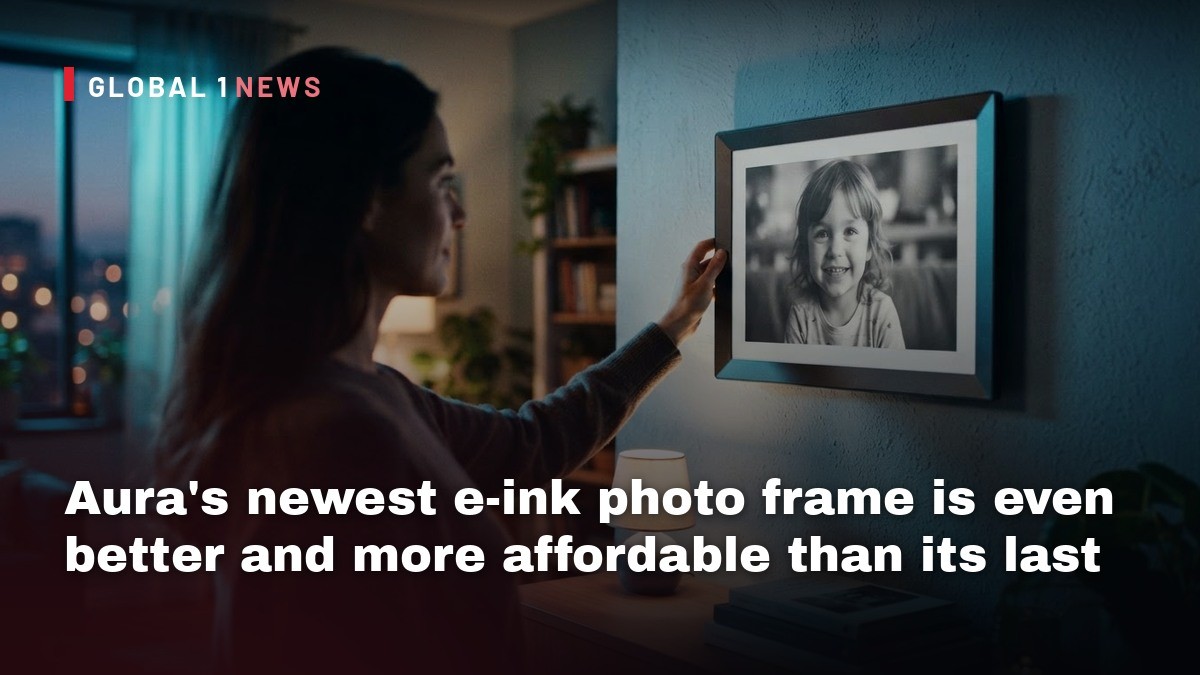
When Aura rolls out a new e‑ink photo frame, the buzz is all about “magical” interiors and the novelty of a screen that pretends to be a printed picture. As a founder who’s spent a decade wrestling with real‑world hosting hardware, I’m less interested in the hype and more in the hard facts: price, power draw, and the actual value proposition for a business that might consider bundling such a device into a service offering.
Price point versus the hype machine
On the surface that looks like a decent discount, but the reduction is purely a size‑based price cut. There’s no indication of a cheaper component bill or a shift in manufacturing strategy that would make the margin any better for resellers.
For independent hosting providers thinking about adding “smart home” or “digital art” upsells, the price tag still sits squarely in the consumer‑grade range. It’s not a wholesale cost you can shave off and still make a healthy margin, especially when you factor in the logistics of handling a fragile glass‑backed device.
Battery life claims versus reality
Aura claims the 10‑inch frame can run three months on a single USB‑C charge. That sounds impressive until you recall the reviewer’s note that the 13‑inch version barely made it past a month in a well‑lit environment. The underlying issue is the front‑light’s power draw; the more you illuminate the e‑ink, the faster the battery drains. For a business that promises “set‑and‑forget” devices to customers, you’re inheriting a variable that can swing wildly based on placement.
From an operational standpoint, that means you’ll need to factor in support tickets for “my frame died after two weeks” and possibly ship replacement batteries or chargers. Those hidden costs erode any margin you thought you had from the $349 price.
Color fidelity and the dithering gimmick
Aura’s frames use E Ink’s Spectra 6 display, limited to six colors. The company’s “proprietary dithering algorithm” is meant to smooth gradients and make the limited palette appear richer. They’ve added three extra proprietary colors—off‑white, mustard, and orange—for the 10‑inch model, which they claim smooth edges and improve resolution.
In practice, the result is still a muted, less saturated image compared to a printed photo. The review notes that skin tones are calibrated carefully, but the overall color depth remains constrained. For a hosting provider offering digital signage or photo display services, you’re selling a visual experience that will never match a true‑color LCD or a printed print. That limitation matters when you pitch to corporate clients who expect brand‑accurate colors.
Hardware design choices that affect deployment
The frame comes only in a black, dark‑grey linen‑textured mat. The reviewer describes it as “a bit jarring” on a gallery wall but acceptable as a standalone piece. That aesthetic restriction limits where the device can be placed without looking out of place, which in turn narrows the market you can target.
From a logistics angle, a single colorway simplifies inventory but also means you can’t cater to niche décor preferences. If you’re a reseller looking to bundle the frame with custom framing or décor services, you’ll have to source additional frames or accept a one‑size‑fits‑all approach, which can be a turn‑off for design‑savvy customers.
Software integration and sharing model
Aura’s app lets users upload photos and share albums, with an average of four people per frame. That sharing model is simple and works well for families, but it’s not built for enterprise collaboration or multi‑user workflows. There’s no mention of API access, SSO integration, or remote management features that a business would need to control a fleet of devices.
For a hosting provider, the lack of robust device management means you’d be stuck with manual onboarding and troubleshooting. That adds overhead to your support team and reduces the scalability of any service you might build around these frames.
Real‑world power and usage constraints
The company recommends updating the frame only once per day to conserve battery. This is a practical tip, but it also reveals a fundamental limitation: the device isn’t designed for frequent content changes. If you’re planning to use the frame for dynamic content—think digital signage, daily promotions, or rotating art collections—you’ll be fighting the hardware’s own constraints.
In my own data‑center experience, we learned early on that “once‑a‑day” update cycles are fine for static dashboards but disastrous for any real‑time service. The same principle applies here; the frame’s power budget and dithering algorithm are optimized for static or slowly changing images, not for high‑frequency content pipelines.
Actionable takeaways for independent providers
Bottom line: Aura’s 10‑inch Ink frame is a neat gadget for tech‑savvy homeowners who love the novelty of e‑ink, but it’s a shaky foundation for a business service. The price is modest, but the margins are thin once you factor in support, logistics, and the limited feature set. Battery life is variable, color fidelity is constrained, and the hardware design is inflexible.
If you still want to experiment, start with a pilot program: purchase a handful of frames, test them in real‑world lighting conditions, and measure actual battery endurance. Pair them with a simple web portal you control rather than relying on Aura’s app, and build your own management layer. That way you can mitigate the “no‑API” limitation and keep support costs predictable.
Ultimately, the decision to integrate Aura’s frames should be driven by a clear use case that aligns with the device’s strengths—low‑frequency, low‑power, aesthetically static displays. Anything beyond that will quickly expose the gaps that the hype glosses over.
— Allan Ali, Founder
This article was produced with AI-assisted research and editorial support. Reporting is based on the source material cited below. Sources: TechCrunch; techcrunch.com; Global1.News (10 November 2026).
By Allan Ali, Global1.News
What's Your Reaction?
 Like
0
 Dislike
0
 Love
0
 Funny
0
 Wow
0
 Sad
0
 Angry
0

Publisher of Global1.News. Automation architect, systems builder, and the guy making sure the truth gets published.















Comments (0)