
Insecurity: Zamfara has been left to its fate since 2015 - Mahdi Shehu
Social commentator Mahdi Shehu took to X on Sunday to condemn what he described as a systematic abandonment of Zamfara State by successive governments since 2015.
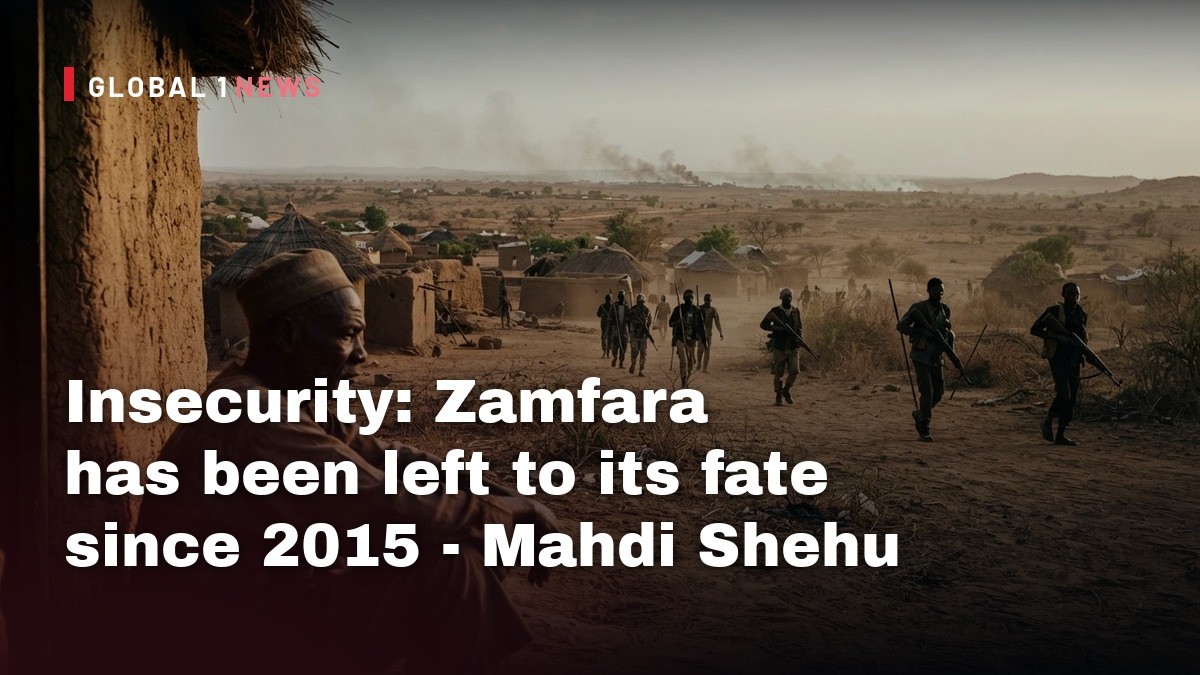
Social commentator Mahdi Shehu took to X on Sunday to condemn what he described as a systematic abandonment of Zamfara State by successive governments since 2015. His latest outburst follows the brutal killing of twelve members of a single family in Gidan Taba village, Maradun Local Government Area, an incident that has reignited the debate over the state’s spiralling insecurity and the apparent failure of political leaders to protect ordinary citizens.
The Gidan Taba Tragedy: A Flashpoint of Violence
The attack that sparked Shehu’s latest condemnation unfolded on a Saturday night in Dosara Birnin Kaya Ward, where gunmen set a family’s room ablaze, killing twelve people. According to the report, the victims belonged to the household of Mallam Muhammadu Sani, and the assailants deliberately targeted his family. The method—setting the room on fire—underscored the ruthless tactics employed by bandits in the region, leaving survivors with nothing but ash and a deepening sense of vulnerability.
Shehu highlighted the incident as a stark illustration of the broader pattern of bloodshed that has plagued Zamfara for years. He noted that the victims were “innocent villagers struggling to survive,” emphasizing that many residents in the area subsist on whatever food they can find, often scavenging to stave off hunger. The tragedy, therefore, is not merely a loss of life but a blow to the fragile livelihoods of a community already teetering on the edge of economic desperation.
Years of Bloodshed: From 2015 to the Present
Since 2015, Zamfara has endured a relentless wave of killings, kidnappings, and displacement. Shehu’s commentary paints a picture of a state caught in a perpetual cycle of trauma, where each new attack adds another layer to the collective wound. He described the period as one marked by “bloodshed, trauma, displacement and economic hardship,” a phrase that captures the intertwined nature of insecurity and poverty in the region.
The persistence of violence has forced countless families to flee their homes, seeking refuge in makeshift camps or distant relatives’ houses. This mass displacement has strained already limited resources and contributed to a humanitarian crisis that remains largely unaddressed. Shehu’s remarks suggest that the continued exodus is not merely a reaction to isolated incidents but a symptom of a deeper, systemic failure to restore safety and stability.
The Political Class: Accusations of Abandonment
Central to Shehu’s argument is the accusation that successive governments have abandoned Zamfara’s residents. He blames the political class for “leaving citizens to fend for themselves without adequate social support,” a charge that resonates with many who have watched promises of security dissolve into empty condolences. According to Shehu, the response from officials has been limited to “distant condolences and empty promises of action,” a pattern that has done little to curb the recurring violence.
He warns that such hollow gestures may embolden perpetrators, suggesting that “the killings will resurface, perhaps with increasing courage from the heartless murderers.” This observation underscores a crucial point: without tangible security measures and sustained support, the perpetrators are likely to feel unchecked, perpetuating the cycle of fear and loss.
Economic Hardship: The Cost of Insecurity
Insecurity in Zamfara has exacted a heavy economic toll on its people. Shehu notes that many families are forced to pay “huge sums” to secure the release of kidnapped relatives, a burden that drains scarce household resources. The financial strain extends beyond ransom payments; the constant threat of attack hampers agricultural activities, trade, and any semblance of normal economic life.
For villagers who already survive on “anything they find by chance,” the added pressure of paying ransoms or replacing lost livestock can be catastrophic. The economic hardship is not merely a side effect of violence but a core component of the insecurity spiral, where poverty fuels vulnerability, and vulnerability invites further exploitation by bandits.
Humanitarian Impact: Displacement and Trauma
The human cost of the ongoing violence is evident in the rising numbers of displaced persons across Zamfara. Families who have lost loved ones or been forced to flee their homes carry with them deep psychological scars. Shehu’s description of “bloodshed, trauma, displacement” captures the multi‑dimensional suffering that extends beyond physical injury to long‑term mental health challenges.
Communities such as Gidan Taba, once tightly knit, now grapple with the loss of members and the erosion of trust. The trauma of witnessing a family burned alive leaves an indelible mark on survivors, who must navigate daily life under the shadow of potential future attacks. This pervasive fear undermines social cohesion and hampers any collective effort to rebuild.
Calls for Action: From Condolences to Concrete Measures
Shehu’s outcry is not merely a lament; it is a call for substantive change. He urges the political leadership to move beyond symbolic gestures and implement lasting security solutions. While the source material does not detail specific policy proposals, the underlying demand is clear: the state must provide “adequate social support” and enforce robust security measures to protect its citizens.
The repeated pattern of “empty promises of action” suggests a gap between rhetoric and implementation. To bridge this gap, authorities would need to prioritize the deployment of security forces, invest in community policing, and establish mechanisms for rapid response to bandit attacks. Only through such concrete steps can the cycle of violence be broken and the trust of the populace restored.
Looking Ahead: The Future of Zamfara’s Security Landscape
As Zamfara approaches the next electoral cycle, the stakes are high. The continued perception of abandonment could fuel political discontent and erode confidence in the governing class. Shehu’s stark warning—that the killings may resurface with “increasing courage” if left unchecked—serves as a stark reminder that the window for decisive action is narrowing.
For the people of Gidan Taba and countless other villages across the state, the hope for a safer future rests on the willingness of leaders to translate sympathy into substantive policy. The tragedy of twelve lives lost in a single night underscores the urgency of this transformation. Without a concerted effort to address the intertwined challenges of insecurity, displacement, and economic hardship, Zamfara risks remaining a state “left to its fate,” as Shehu poignantly observed.
This article was produced with AI-assisted research and editorial support. Reporting is based on the source material cited below. Sources: Daily Post Nigeria; dailypost.ng; Global1.News (09 November 2026).
By Sarah Okafor, Staff Writer
What's Your Reaction?
 Like
0
 Dislike
0
 Love
0
 Funny
0
 Wow
0
 Sad
0
 Angry
0

Africa Correspondent at Global1.News. Based in Lagos, covering politics, business, technology, and culture across the continent. Focused on telling African stories beyond the headlines — the innovation, entrepreneurs, and communities shaping the region's future.













Comments (0)