
Trump Pauses 50 Per Cent Tariffs on Canada for Three Days as Talks Continue
In a recent CBC News report, U.S. President Donald Trump announced late Tuesday that he is pausing the implementation of 50 per cent tariffs on a range of Canadian goods for three days, posting the decision less than two hours before the crushing levies were set to take effect at 12:01 a.m. ET. The eleventh-hour reprieve offers momentary relief to businesses on both sides of the border, but leaves the fundamental questions of Canada-U.S.
In a recent CBC News report, U.S. President Donald Trump announced late Tuesday that he is pausing the implementation of 50 per cent tariffs on a range of Canadian goods for three days, posting the decision less than two hours before the crushing levies were set to take effect at 12:01 a.m. ET. The eleventh-hour reprieve offers momentary relief to businesses on both sides of the border, but leaves the fundamental questions of Canada-U.S. trade relations unresolved as negotiators race toward a new Friday deadline.
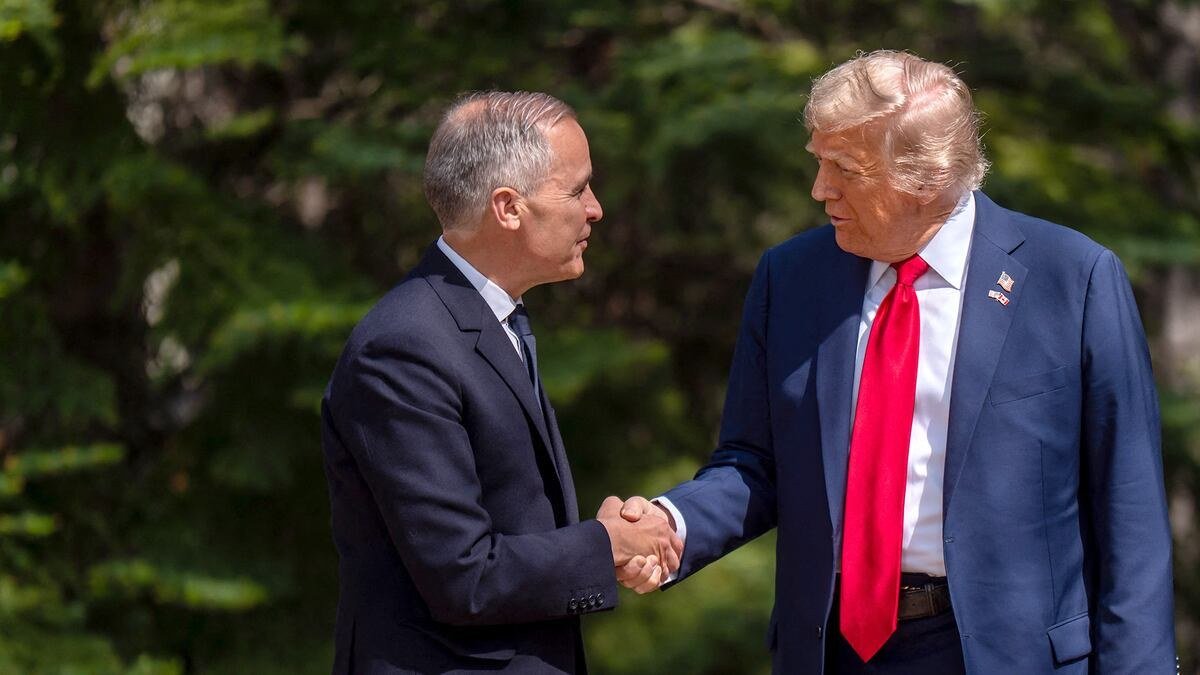
The tariffs, which would have applied to hundreds of products worth more than $28 billion—from plywood and cement to wine and hockey sticks—were suspended after Canadian and American officials spent the day in frantic negotiations. Prime Minister Mark Carney and President Trump spoke by phone twice in as many days, and trade officials on both sides worked to close the gap on issues ranging from auto tariffs to dairy quotas.
Trump Pauses 50 Per Cent Tariffs on Canada for Three Days, Citing Tentative Deal as Carney Urges Caution
Ottawa – This Week — The White House and the Prime Minister's Office offered sharply different characterizations of Tuesday's development, with Trump declaring a deal is done and Carney insisting substantial work remains. The discrepancy underscores just how fragile the truce may be as the new deadline expires at the end of the day on Friday.
The Story: A Late-Night Reprieve
Trump's initial announcement came via Truth Social, where he wrote: "I have paused the 50% Tariffs against Canada, that were scheduled to kick in tomorrow morning for a three day period, based on the fact that Canada and the U.S.A., subject to the finalization of documents, have a DEAL!" The post was published less than two hours before the tariffs were set to take effect, leaving Canadian businesses that had been bracing for impact in a state of whiplash.
A subsequent White House declaration said the suspension is "in the public interest" because Canadian negotiators "expressed a commitment" to concede on trade grievances the Trump administration had cited as the reason for threatening the tariffs in the first place. The declaration did not specify which concessions Canada had offered, and the vagueness of the language suggests the two sides remain far apart on key details.
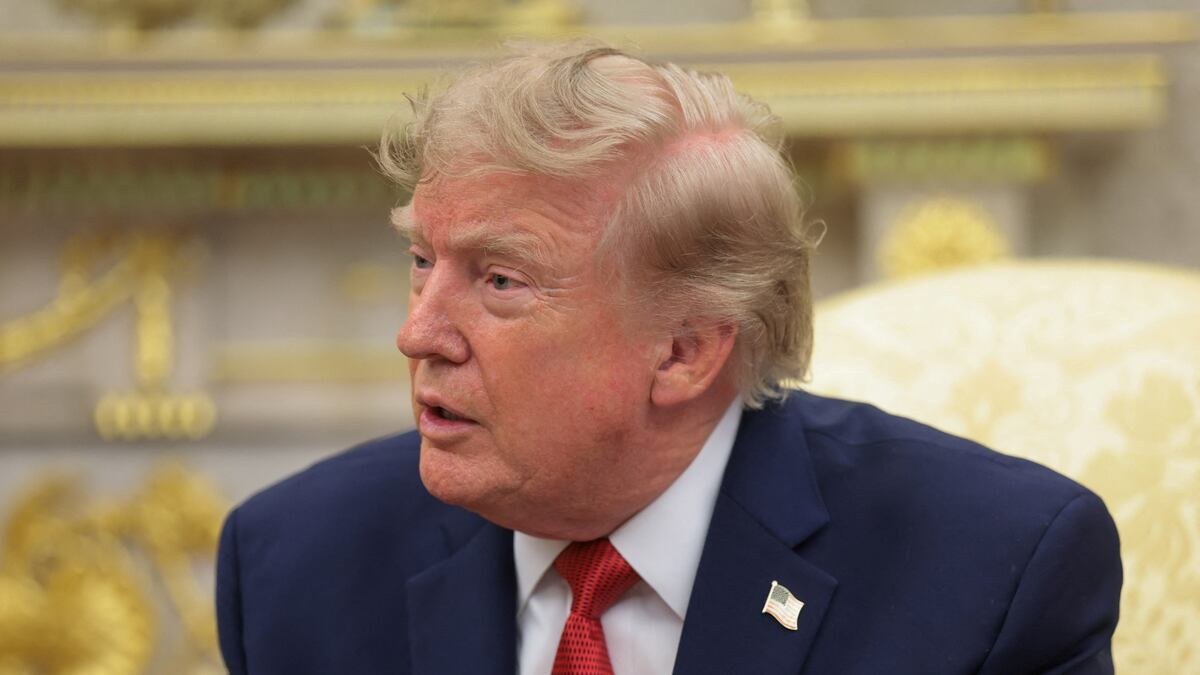
Prime Minister Carney's statement, released an hour after Trump's post, deliberately avoided the language of a tentative deal. "Substantial progress has been made, although there is important work still to be done," the statement read. "While we continue this work, Canada remains focused on building a stronger, more independent, and more competitive economy at home." The careful wording reflects a government that has learned not to celebrate prematurely in its dealings with the unpredictable American president.
The Negotiations: Calls, Concessions, and Sticking Points
The prime minister spoke to Trump by phone on Monday and again earlier Tuesday, according to sources familiar with the discussions. After the second call, Canada-U.S. Trade Minister Dominic LeBlanc spoke directly with U.S. Trade Representative Jamieson Greer and Commerce Secretary Howard Lutnick in an effort to bridge the gap between the two negotiating positions.
In a statement following Trump's announcement, Greer said the deal included "comprehensive market access for all American goods, economic security commitments, digital trade alignment, and many important provisions that will continue to protect our market and American workers, along with our Canadian partners." The U.S. trade representative offered no specifics, and Canadian sources cautioned that the two countries remained at loggerheads over several finer points, including what sort of tariff, if any, will be applied on Canadian autos bound for the U.S.
Auto tariffs have proven to be the most intractable issue. The latest U.S. offer would lower tariffs on Canadian-made vehicles to a headline rate of 15 per cent, down from the current 25 per cent. That headline rate could be reduced further to an effective rate of 7.5 per cent if vehicles contain more U.S. content. Sources say that is still higher than Canada wants, and the gap between the two positions reflects a fundamental disagreement about the future of the integrated North American auto sector.

Trump also suggested a deal could revive Keystone XL, the pipeline project that would have moved oil from Alberta to U.S. Gulf Coast refineries before it was cancelled by the Biden administration in 2021. His online post said the venture "may be awoken from the grave!" The suggestion, while characteristically theatrical, signals that energy infrastructure remains a central part of the American president's vision for a renegotiated relationship.
Canadian Context: Section 338 vs. Section 232
The suspended tariffs were imposed under Section 338 of U.S. trade law, a rarely used provision that allows the president to retaliate against countries that discriminate against American goods. Trump threatened to invoke it in response to Ottawa's retaliatory tariffs on U.S. products—tariffs that were themselves a response to Trump's broader trade war launched last year.
LeBlanc has pushed for the U.S. to scrap the Section 338 tariffs entirely, but also to lower the existing Section 232 tariffs on industrial products like steel, aluminum, autos and lumber. The Section 232 tariffs, justified on national security grounds, have been a persistent irritant in the bilateral relationship and have driven up costs for manufacturers on both sides of the border.
The Americans, for their part, are demanding that U.S. liquor be returned to the shelves of provincially run stores, ending a boycott that has been devastatingly effective. They are also pushing for Canada to remove retaliatory tariffs on U.S. autos and to make tweaks to how the supply-managed dairy sector allocates quotas. Greer has repeatedly signalled that the U.S. is not open to dropping its tariff regime entirely, though there are signs the rates may be flexible if Canada addresses American demands.
Impact on Canadians and Businesses
The three-day pause brings some degree of momentary relief to companies on both sides of the border who worried the fees would devastate small businesses, disrupt supply chains and drive up the cost of living for everyday families. But the uncertainty has already taken a toll. Some Canadian businesses are rushing sales out the door to beat any levies that might still come, while others have already lost American customers because the situation is too volatile.
Quartz Co., which sells made-in-Canada winter jackets, has been caught in the crossfire. Its president says higher tariffs will bring big difficulties, especially as U.S. customers don't seem to grasp why prices have already risen. The company represents the broader challenge facing Canadian exporters: even when tariffs are paused, the threat of their imposition changes behaviour on both sides of the border.
The impact extends south of the border as well. Michael Howard, owner of Howard Family Designs, a custom furniture business in Warren, Mich., says the Trump administration's tariffs on lumber and other goods are driving up costs, making his company lose orders and putting his shop's community mentorship program on hold. The integrated nature of the North American economy means that tariffs imposed by Washington ripple through communities in both countries.
Political Reactions: Divergent Views in Ottawa and Washington
New Democratic Party parliamentary leader Don Davies says Canadians are "very worried" about the impact new U.S. tariffs could have on Canadian jobs, and he accused the prime minister of giving "concession after concession" in the negotiations. The NDP's criticism reflects broader anxiety on the left that Carney's government is sacrificing Canadian interests in pursuit of a deal with an unpredictable American president.
Former Conservative deputy leader Lisa Raitt offered a different interpretation, telling Hanomansing Tonight that Trump wants to send a message that he's "in charge" as the two countries negotiate. "The whole thing is designed to make Canada feel like a less secure place to do business," said Bob Rae, the former Canadian ambassador to the United Nations. "We have to respond in such a way to indicate that, 'No, we're going to continue to go ahead. We're not going to be put off by this.'"
Former U.S. trade official Stephen Vaughn argued that trade negotiations often come down to the deadline and that the U.S. remains Canada's best market, offering a better trade deal than any other country. Jean Charest, the former Quebec premier and member of the prime minister's advisory council on Canada-U.S. economic relations, said the talks "may go down to the wire," reflecting the reality that both sides are playing hardball.
What Happens Next: Friday Deadline and Retaliatory Options
The new deadline expires at the end of the day on Friday, giving negotiators just three days to finalize the legally binding paperwork that would make the tentative deal permanent. Trump did not say whether any deal, if finalized, would lead to the levies' permanent cancellation, and the ambiguity is itself a negotiating tactic.
A senior government official previously said Canada was working on a response in the event those tariffs came into effect. Carney has been weighing a range of options to hit back at the U.S. on trade, including more retaliatory tariffs. Canada had planned to see the legally binding paperwork on these prospective U.S. tariffs before deciding on an appropriate response, and that cautious approach appears to have been vindicated by Tuesday's development.
The coming days will test whether the two countries can translate political will into a durable agreement. The gap between Trump's declaration of a deal and Carney's insistence that work remains suggests the hardest negotiations are still ahead. For Canadian businesses and families, the three-day pause is a welcome reprieve, but it is not a resolution.
Canada's long-term strategy remains focused on building a stronger, more independent, and more competitive economy at home, as Carney's statement emphasized. But the reality of geography means Canada will always have a deep economic relationship with the United States. The question is whether that relationship can be placed on a more stable footing, or whether Canadians should prepare for more late-night announcements and last-minute reprieves in the months ahead.
By Alex Thompson, Staff Writer
This article was produced with AI-assisted research and editorial support. Reporting is based on sources cited in the article.
What's Your Reaction?
 Like
0
Like
0
 Dislike
0
Dislike
0
 Love
0
Love
0
 Funny
0
Funny
0
 Wow
0
Wow
0
 Sad
0
Sad
0
 Angry
0
Angry
0

Canada Correspondent at Global1.News. Based in Toronto, covering Canadian politics, energy, trade, and US-Canada relations. Provides the Canadian perspective on North American and global affairs.















Comments (0)