
Israel Revokes Diplomatic Credentials Of Dutch Envoys In Ramallah
Israel revoked the diplomatic credentials of every Dutch diplomat at the Netherlands Representative Office in Ramallah, giving them seven days to return their Israeli-issued papers after the Netherlands banned settlement goods.
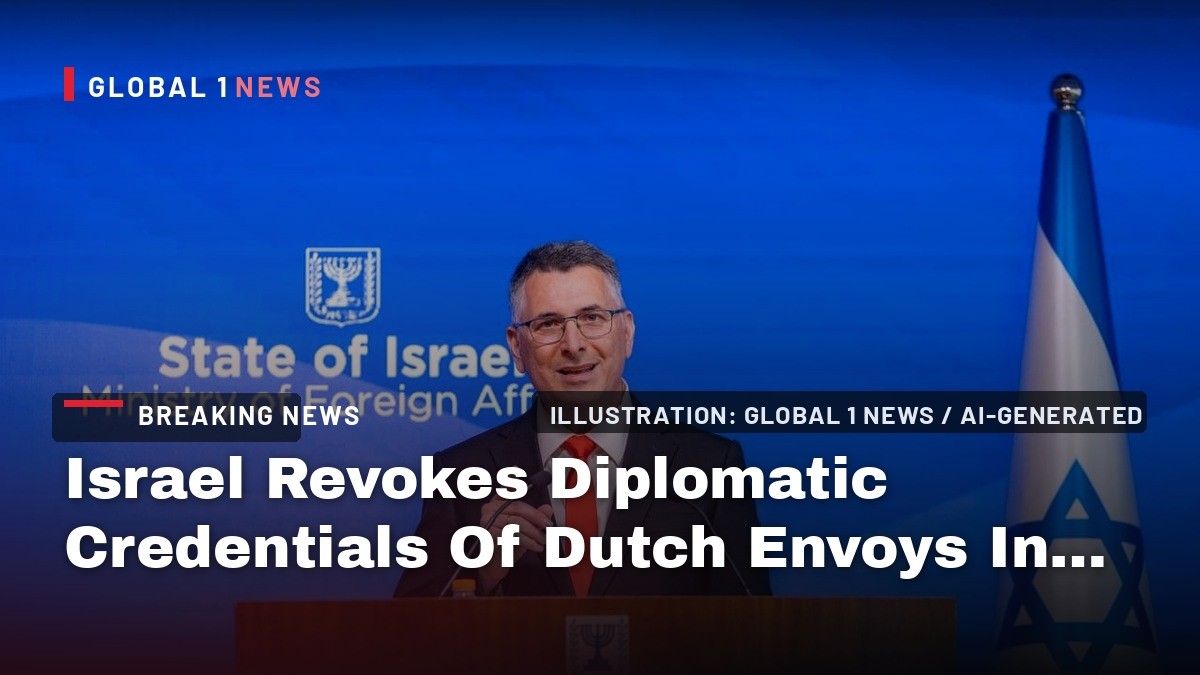
Israel has revoked the diplomatic credentials of every Dutch diplomat working at the Netherlands Representative Office in Ramallah, giving them seven days to hand back their Israeli-issued papers. Foreign Minister Gideon Saar announced the move on Sunday evening, and it lands directly on top of a Dutch national ban on settlement goods that took effect six days earlier. The Dutch Foreign Ministry has declined to comment.
Israel Revokes Diplomatic Credentials Of Dutch Envoys In Ramallah
Jerusalem, Israel — The order covers all Dutch diplomatic personnel at the Ramallah office, and the clock runs out on Sunday 4 October.
Seven Days To Hand Back The Papers
Saar announced the decision in a post on X on Sunday evening. "We informed the Dutch Embassy in Israel this evening that Dutch diplomats operating in Ramallah must return their Israeli-issued diplomatic documentation within seven days," he wrote. He added that after that period, "the diplomatic privileges and immunities granted to them by the State of Israel will expire." The Israeli Foreign Ministry said the Netherlands may keep representing its interests with the Palestinian Authority, provided its personnel operate from Palestinian Authority territory rather than from what Israel considers its own. Saar framed the step in the broadest terms: "Any country that acts in a hostile and unilateral manner against Israel will lose influence and relevance in the region." The announcement came on Sunday 27 September. Seven days from that date is Sunday 4 October. The Israeli statement said nothing about Dutch diplomats at the embassy in Tel Aviv, according to the Dutch broadcaster RTL Nieuws. The number of diplomats affected, their functions and the practical consequences were not known at the time of writing, RTL reported.
What The Netherlands Actually Did
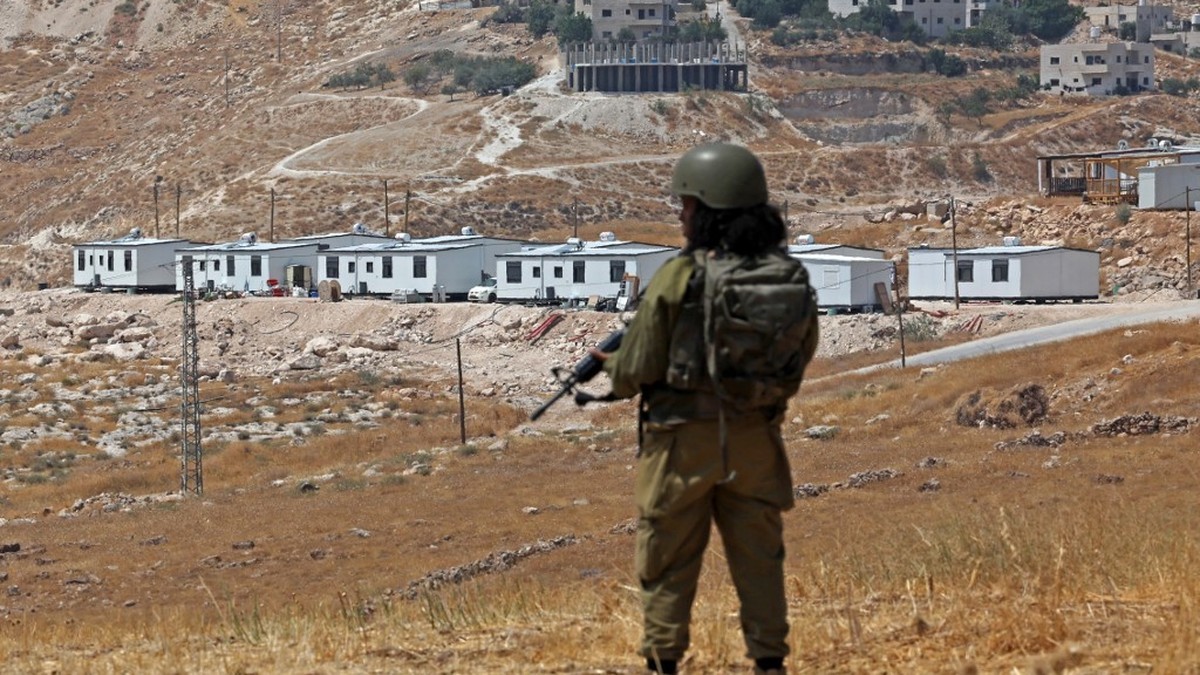
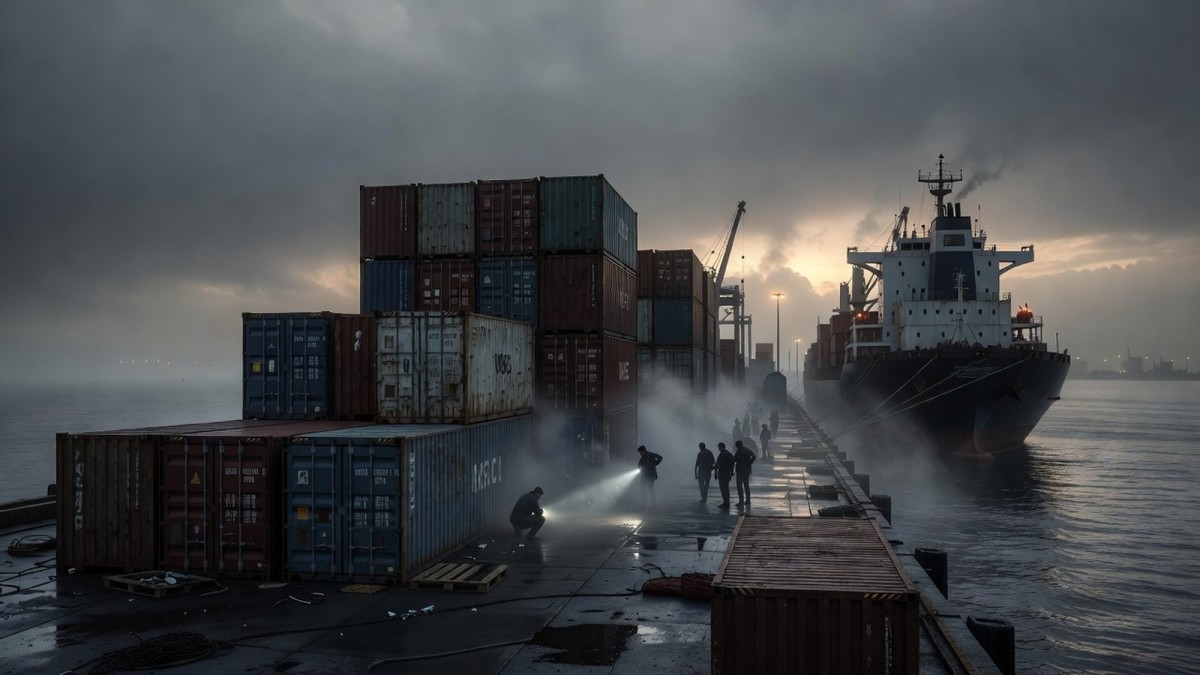
The Dutch ban came into force on 22 September 2026, under the Temporary Decision on Sanctions Against Illegal Settlements in the Israeli-occupied territories. The measure was published in the Staatsblad on 21 July 2026 as Stb. 2026-222, after an expedited Council of State opinion that did not lead to changes. It prohibits importing goods from unlawful Israeli settlements, buying and selling such goods, providing services that enable that trade, and circumventing the prohibitions. It applies to personal baggage as well as commercial shipments, and it expires automatically after three years. The Netherlands has maintained a discouragement policy on settlement trade since 2006, which remains in place alongside the ban. The Dutch government's stated rationale is that "the settlements in the Israeli-occupied territories are unlawful," and that the measures give "further substance to its international legal obligation not to contribute to this unlawful situation." Al Jazeera reported that the Dutch ban goes further than some others because it covers services facilitating the trade, not only the goods themselves.
The Foreign Minister's Warning
Saar's statement did not stop at the credentials order. He also raised concerns about growing antisemitism and incitement in the Netherlands, accusing Dutch authorities of failing to address it adequately, and argued the Dutch government's anti-Israel policies contributed to what he called an atmosphere of hostility, according to Israel National News. He tied the Ramallah decision to an earlier step: "Last month, we removed the Dutch delegation from the International Support Center for Gaza in Kiryat Gat, following actions taken by the Dutch Government against Israel. I reiterate: Israel will not ignore measures intended to harm it." The Israeli Foreign Ministry's own statement set out the condition for any continued Dutch role with the Palestinians, namely that diplomatic personnel work from Palestinian Authority territory. The Dutch Foreign Ministry declined to comment, Reuters reported via the Straits Times. No Dutch official response to the Sunday order exists beyond that refusal.
Not The First Time: Kiryat Gat In August
In August 2026, Israel banned Dutch officials from the International Support Center for Gaza, a US-led coordination centre based at Kiryat Gat inside Israel, over what Saar described as anti-Israel measures. Two Dutch officials were targeted and given a week to leave, according to DW and Al Jazeera. Saar said at the time that the decision had been taken with Prime Minister Benjamin Netanyahu following a series of anti-Israel measures by the Dutch government, and that "those who act against Israel will have no foothold in the region." Dutch Foreign Minister Tom Berendsen responded on Wednesday 26 August: "I regret this step by Israel, which in my view is unnecessary. I also view this step in the context of the elections in Israel." He added that it would not affect the Dutch decision to ban products from illegal settlements. Saar confirmed on 27 September that the Kiryat Gat removal has since been implemented.
The British Template, And The Four Countermeasures
The Dutch order follows a template Israel set against the United Kingdom earlier in September. On 8 September, British Foreign Secretary Ed Miliband told the House of Commons the UK would ban the import of all goods produced in illegal Israeli settlements in the occupied West Bank. Israel answered with four countermeasures, reported by Reuters via the Straits Times: closure of the British Consulate in East Jerusalem within 30 days, with British diplomats there losing diplomatic status; entry denied to 12 British elected representatives and other British nationals involved in what Israel called antisemitic and anti-Israel activity, including former Labour leader Jeremy Corbyn; seven days for British officials at the US-led Gaza coordination mission and British diplomats based in Ramallah to leave; and an end to British training of Palestinian security forces in the West Bank. The British consulate's presence in Jerusalem dates back to 1839. Saar called the UK action "morally distorted" and accused Britain of blatant interference in the affairs of a sovereign state and its electoral process, ahead of the Israeli election in October.
Why The Dutch, And Not The French
France and Canada have also announced their intention to ban settlement imports, but Israel has not taken any action against those two countries, Reuters reported via the Straits Times. The Netherlands is widely viewed as one of Israel's close allies in Europe and did not join the wave of recognitions of Palestinian statehood that included Norway, France and the UK, according to The National. The Netherlands was the second country to ban trade with Israeli settlements, after Spain, which did so in September 2025. Spain was followed by Slovenia, which reversed its decision after a change of government, while Belgium and Ireland are working on similar laws. In April 2026, Israel expelled Spanish officials from the Gaza support centre, one month after Spain withdrew its ambassador to Israel. RTL Nieuws correspondent Floor Brands said the Ramallah order is "really a statement by the Israelis," adding: "But it is notable, because the Netherlands is a friendly country."
The Vienna Convention Problem
Many countries, including the Netherlands, have long had diplomats who represent their governments with the Palestinian Authority in Ramallah while living in East Jerusalem. Israel has traditionally accredited those diplomats and granted them certain privileges under the Vienna Convention on the treatment of diplomatic missions. The practical meaning of Saar's order, as Reuters set out via the Straits Times, is that the Dutch may keep a presence with the Palestinian Authority, but they must be accredited by the Palestinian Authority and physically based in Palestinian Authority territory, not on territory Israel considers its own. That is the legal hinge of the dispute: the credentials being withdrawn are Israeli-issued, and the privileges and immunities that expire with them are the ones Israel granted. The Israeli statement did not address the Dutch embassy in Tel Aviv, and it did not say whether the Ramallah office would close, relocate or continue operating in some other form.
Money, Markets And A 200,000-Shekel Cheque
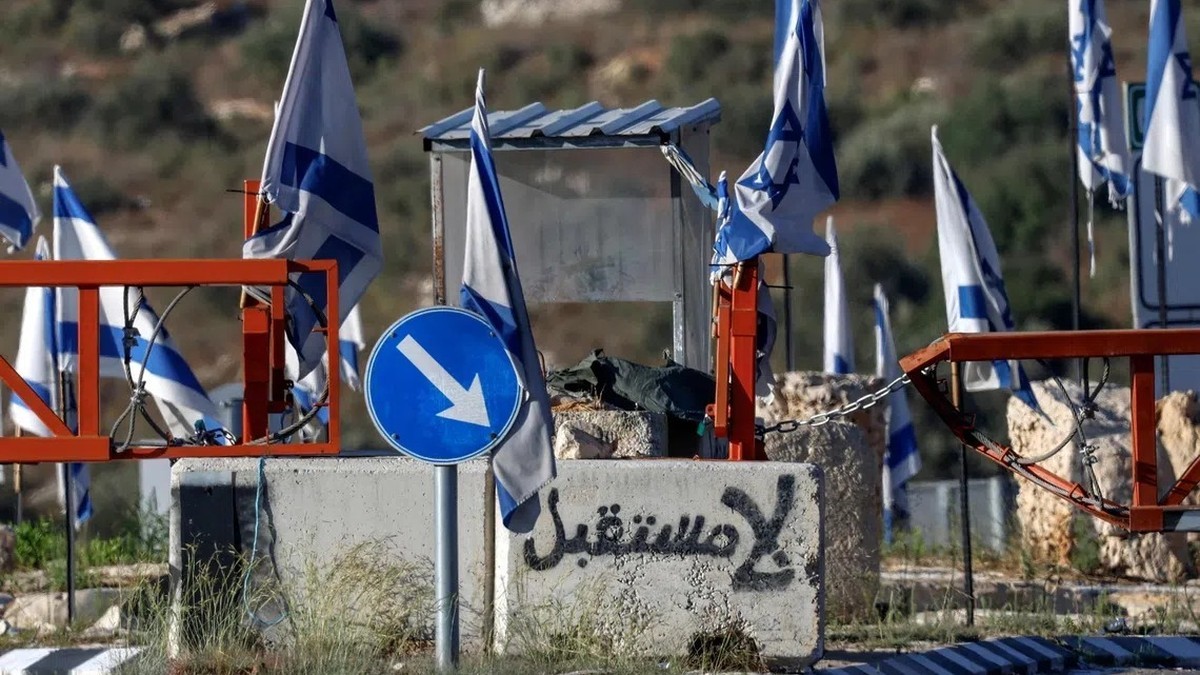
Trade figures published by UN Comtrade on 8 September put total Dutch trade with Israel at 4,633 million dollars, with 2,133 million in imports and 2,500 million in exports, according to Al Jazeera. That places the Netherlands among Israel's larger European trading partners, behind Ireland at 5,364 million dollars and ahead of the UK at 3,737 million. Goods from Israeli settlements make up only a fraction of Israel's exports, and diplomats widely regard the sanctions as an important but largely symbolic step, Reuters reported on the UK action. According to the Israeli business outlet Calcalist, Israel's Ministry of Economy and Industry plans to provide companies in illegal Israeli settlements with up to 200,000 shekels, about 54,000 dollars, following the latest ban. The ministry will also help them find alternative markets, including the Philippines, India, the United Arab Emirates, Chile and Argentina, Middle East Eye reported, citing Calcalist.
Baggage Checks At Schiphol
The Dutch outlet NieuwRechts reported that passengers arriving at Amsterdam's Schiphol Airport on flights from Israel were being subjected to additional customs inspections following the introduction of the restrictions, according to Israel National News. An account published by opinion writer Sivan Behr described passengers arriving on an El Al flight from Tel Aviv being directed to undergo baggage checks, including those who had entered the Nothing to Declare lane. She described confrontations between Israeli passengers and customs officials, and concerns that travellers could face scrutiny over products purchased in Israel, including wine, dates and olives. US Ambassador to Israel Mike Huckabee criticised the restrictions, warning that Dutch visitors returning from Israel could face penalties for bringing home souvenirs originating in the affected areas, Israel National News reported. Importers of Israeli-origin goods must use a specified customs code to declare that their goods do not come from an unlawful settlement, or are eligible for preferential treatment. The Dutch government has said the ban applies to personal baggage as well as commercial shipments.
What Happens On 4 October
Sunday 4 October is the date the seven-day window closes. After that point, in Saar's words, the diplomatic privileges and immunities granted to the Dutch diplomats by the State of Israel will expire. Whether the Dutch Representative Office in Ramallah closes, relocates or continues in another arrangement has not been confirmed, and the number of diplomats affected has not been reported. Saar has said Israel will take countermeasures at its discretion against other countries that act against it, and France and Canada have announced settlement import bans without, so far, drawing any Israeli action. US Secretary of State Marco Rubio has said Washington does not want to see anything destabilising in the West Bank, while declining to comment specifically on the British sanctions. What the Netherlands does next, and what Israel does after 4 October, remain open.
By Jessica Ali, Staff Writer
This article was produced with AI-assisted research and editorial support. Sources: Reuters, Al Jazeera, DW, Middle East Eye, The Straits Times, Israel National News, RTL Nieuws, The National, the Dutch government, the Israeli Ministry of Foreign Affairs and the UK Foreign Office.
What's Your Reaction?
 Like
0
Like
0
 Dislike
0
Dislike
0
 Love
0
Love
0
 Funny
0
Funny
0
 Wow
0
Wow
0
 Sad
0
Sad
0
 Angry
0
Angry
0

Editor-in-Chief at Global1.News. Atlanta-based journalist who cuts through the BS and tells it like it is. Lead anchor, host, and the voice you hear when the spin stops and the truth starts.












Comments (0)