
Taylor Farms Jalapeño Recall Tied to Sinaloa Supplier
Taylor Farms Cuts Ties with Sinaloa Supplier After Salmonella Outbreak Sickens 345 The Salinas, California-based produce giant Taylor Farms has voluntarily recalled a range of prepared foods containing jalapeño chiles, just weeks after a separate recall of its iceberg lettuce, as U.S. health authorities investigate a salmonella outbreak that has sickened 345 people across 27 states.
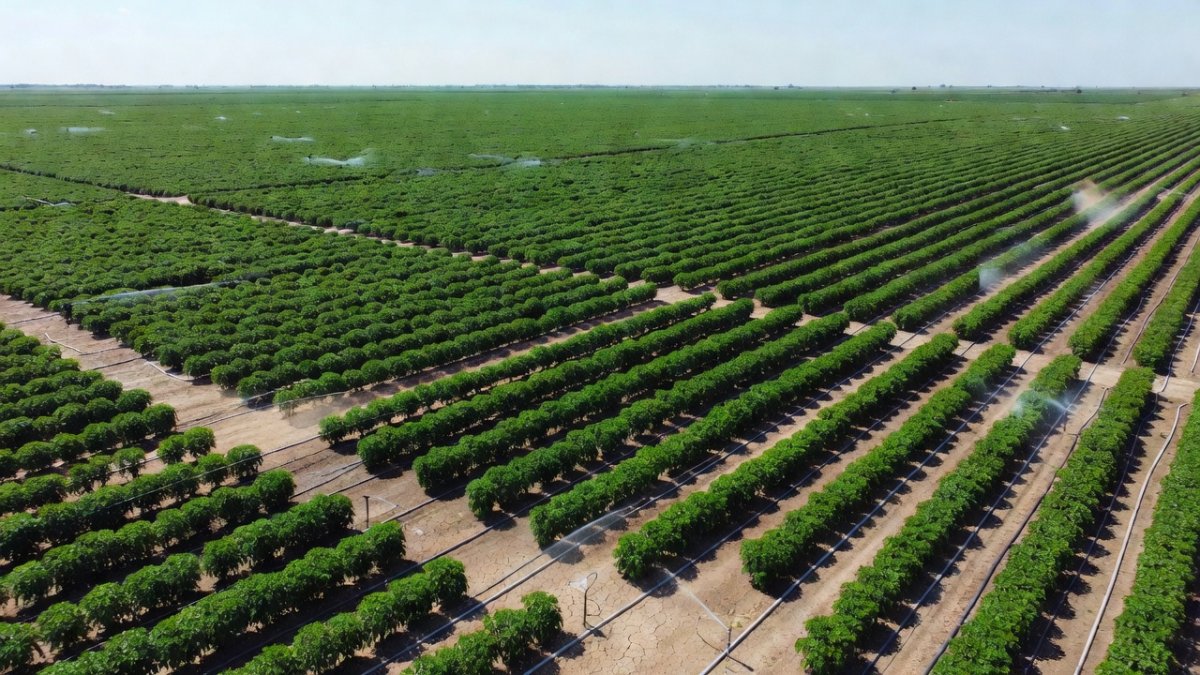
Taylor Farms Cuts Ties with Sinaloa Supplier After Salmonella Outbreak Sickens 345
The Salinas, California-based produce giant Taylor Farms has voluntarily recalled a range of prepared foods containing jalapeño chiles, just weeks after a separate recall of its iceberg lettuce, as U.S. health authorities investigate a salmonella outbreak that has sickened 345 people across 27 states. The company has severed ties with a farmer in the northwestern Mexican state of Sinaloa identified as the potential source of the contamination.
The recall, announced on August 9 and 10, 2026, stems from a notification by San Diego-based Coast Citrus Distributors, which voluntarily recalled fresh jalapeños due to food safety concerns. Taylor Fresh Foods, the parent company, stated it is not aware of any reported illnesses linked to its products containing jalapeños, but has nonetheless pulled items from store shelves as a precautionary measure. The company confirmed it "no longer purchases products from the Sinaloa farmer and will fulfill orders with alternative suppliers."
This latest action comes amid heightened scrutiny of food safety in the U.S. restaurant industry, following last month's cyclosporiasis outbreak linked to iceberg lettuce served at Taco Bell restaurants, which was reportedly sourced from central Mexico. For Mexican producers and the communities that depend on agricultural exports, these back-to-back health alerts represent a significant commercial and reputational challenge.
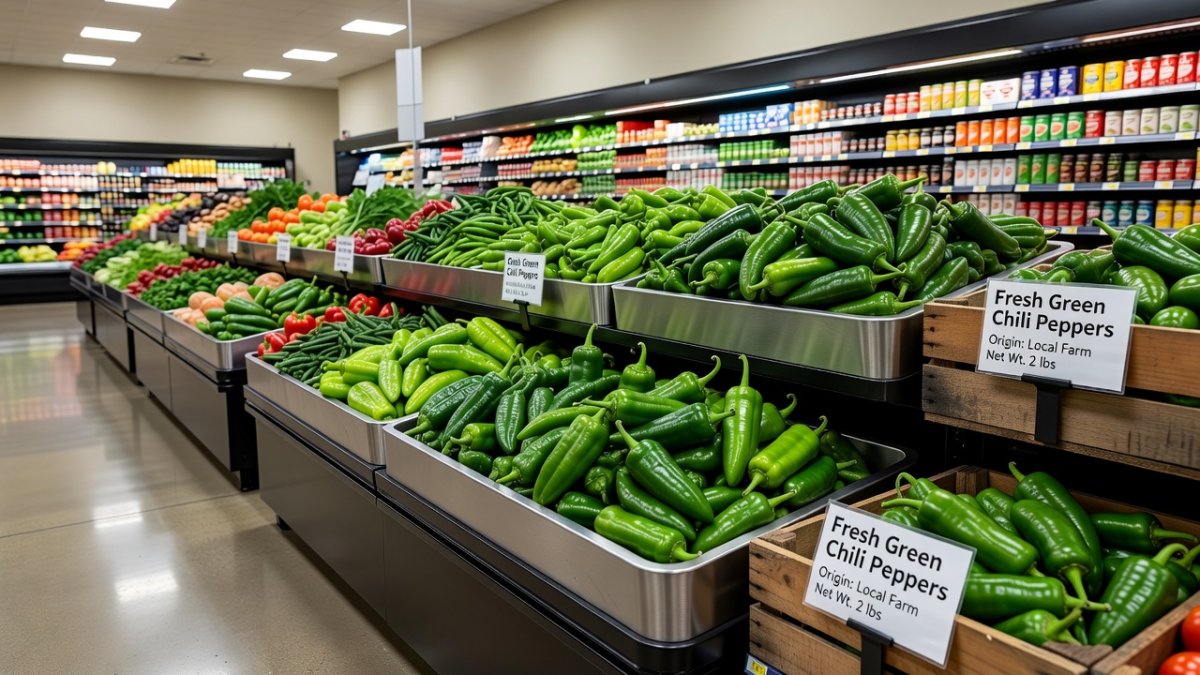
What Products Are Affected and Where Were They Sold?
The recall covers a wide array of jalapeño-containing prepared foods, including guacamole, pico de gallo, taco salsa, burritos, and spicy sandwiches. All products with a "Best If Used By" date up to and including August 16, 2026, have been recalled. These items were distributed to retail distribution centers in 26 states: AL, AR, FL, GA, IL, IN, KS, KY, LA, MA, ME, MI, MN, MO, MS, NE, NH, NY, OH, OK, SC, TN, TX, VT, WI, and WV.
Shoppers who purchased these products at major chains including Kroger, Stop & Shop, Target, Whole Foods, Trader Joe's, and Walmart are urged to check their refrigerators. Walmart has already removed the products from its stores and implemented a sales block at its registers as well as online. Kroger declined to comment on the recall. The FDA-identified items include traditional and spicy guacamole sold at Target, Freshness Guaranteed pico de gallo marketed by Walmart, salsas and pico de gallo from Whole Foods, dips distributed by Kroger, a shrimp salad from Trader Joe's, and products sold by Hannaford and Stop & Shop.
Consumers who have any recalled product should discard it immediately and not consume it. Refunds are available at the location of purchase. The FDA's investigation is ongoing, and the agency is "working to determine if recalled jalapeños went to grocery stores," meaning additional recalls could be announced in the coming days.
The Outbreak: Salmonella Javiana and the Sinaloa Connection
The U.S. Centers for Disease Control and Prevention (CDC) issued an alert on August 5, identifying the outbreak as Salmonella Javiana linked to chiles grown in Sinaloa and distributed in the U.S. by Coast Citrus Distributors. Epidemiological and traceability data show that Sinaloa jalapeños distributed by Coast Citrus are the source of the outbreak, with the FDA identifying during traceback a producer in that state as the probable source. The producer's name has not been publicly disclosed.
Known cases began between June 19 and July 20, 2026. Of the 191 people interviewed, 177 (93%) said they had eaten at a Mexican-style restaurant before falling ill, including Chipotle Mexican Grill and QDOBA. Chipotle began changing suppliers in affected restaurants on July 20, while QDOBA stopped using those jalapeños on July 28. The outbreak has resulted in 36 hospitalizations and, fortunately, no deaths have been recorded.
Salmonella infections can cause diarrhea, fever, and stomach cramps, and can be especially serious in young children, the elderly, and people with weakened immune systems. Symptoms can appear between six hours and six days after ingesting the bacteria, and the illness usually lasts four to seven days. Most people recover without treatment, but children under five, adults 65 and older, and those with compromised immune systems are at higher risk of serious illness.
Sinaloa Producers Respond: "The Harvests Ended Long Ago"
In Sinaloa, agricultural leaders are pushing back against the implication that current production could be responsible. Luis Xavier Zazueta Ibarra, president of the Asociación de Agricultores del Río Fuerte Sur (AARFS), stated that there is currently no jalapeño chile production in the state that could be linked to the reported cases, because the harvest season has already concluded.
"Ya las cosechas terminaron hace tiempo, la temporalidad del jalapeño en el estado es en los meses de marzo, abril y mayo, entonces ahorita no hay ningún corte de chile jalapeño que pudiera estar ocasionando algo en el extranjero," Zazueta Ibarra said. (The harvests ended long ago; jalapeño season in the state is March, April and May, so right now there is no jalapeño harvest that could be causing anything abroad.)
Zazueta Ibarra affirmed that Sinaloa producers comply with food safety protocols (inocuidad) and sanitary requirements established for exporting agricultural products, and hold the registrations and certifications needed to enter the U.S. market. "Nuestros agricultores tienen años en el negocio, están especializados y tratan de mantener siempre las medidas de inocuidad presentes, incluso, tienen que estar con temas de registro de Estados Unidos para poder exportar," he added. (Our farmers have been in the business for years, they are specialized and always try to maintain food safety measures; they even have to keep U.S. registrations in order to export.)
The verifiable commercial effect reaches the Mexican supply chain: Taylor Farms stopped buying from the Sinaloa farmer and Coast Citrus stopped importing from that producer, while authorities continue investigating the full scope of distribution. For the families in ejidos and agricultural communities across Sinaloa who depend on export crops, this disruption is a serious economic blow, even if the harvest season has passed.
Mexican Authorities and the Mañanera Response
Mexico has also begun reviewing salmonellosis alerts related to chiles. At the presidential conference (mañanera) of August 7, the Federal Commission for the Protection against Sanitary Risks (COFEPRIS) referred to a notification about serrano chiles possibly originating in Mexico, while U.S. authorities speak expressly of Sinaloa jalapeños. The Mexican investigation remains in process, and officials have not yet issued a definitive statement on the scope of the issue.
It is important to note that the U.S. alert does NOT represent a general recall of all Mexican jalapeños. The investigation and published measures focus specifically on jalapeños grown in Sinaloa and distributed by Coast Citrus, plus foods made with that product. This distinction matters for the thousands of small farmers across Mexico who grow chiles and export them to the United States, and for the tianguis and mercados where these products are sold domestically.
The salmonella and cyclospora investigations are two separate health events, although both involve products from Mexico and Taylor Farms in the commercial chain. The cyclosporiasis outbreak linked to Taylor Farms de Mexico iceberg lettuce has now reached 1,947 cases, making it among the largest foodborne illness events in recent U.S. history. Taylor Farms de México recalled all iceberg lettuce sourced from central Mexico on July 17, 2026, and the company has suspended iceberg lettuce sourcing and production from central Mexico while the FDA investigation continues.
Industry Impact and Consumer Confidence
The dual recalls are taking a toll on consumer confidence in fresh produce. Industry experts say that because much of Taylor Farms' produce is sold wholesale and unbranded, it will be hard for consumers to steer clear entirely of those products. As a result, overall consumer demand for fresh produce has dipped.
"Consumers are likely to avoid all Taylor Farms products for a while. Taylor Farms will have to work hard to change the perception that its products can make people sick. It could take some time," said Joe Feldman, senior managing director at Telsey Advisory Group. Taylor Farms is one of North America's largest producers of salads and fresh-cut vegetables and a key supplier to major supermarket chains and restaurant operators, including McDonald's and Chipotle.
For Mexican families in colonias and rural communities, the ripple effects are tangible. The recall affects not only large-scale agricultural exporters but also the workers in packing plants, the truck drivers who move produce across the border, and the small business owners in the United States who stock these products. The FDA and CDC, in collaboration with state and local partners, continue to investigate the multistate outbreak, and the agency has issued a clear directive: "Do not eat, serve, or sell recalled fresh jalapeños from Sinaloa, Mexico distributed by Coast Citrus Distributors."
As the investigation unfolds, Mexican producers are left to defend their reputations and their livelihoods. The recommendation from health authorities is straightforward: do not consume, sell, or serve the recalled products; discard or return them; and wash and disinfect containers and surfaces that may have contacted the jalapeños. For now, the full scope of the contamination and its origins remains under investigation, and both U.S. and Mexican authorities are working to determine exactly what went wrong in the supply chain.
Tags: Taylor Farms recall, jalapeño recall, salmonella outbreak, Sinaloa jalapeños, Coast Citrus Distributors, FDA investigation, CDC alert, Chipotle, Qdoba, food safety Mexico, guacamole recall, pico de gallo recall, Mexican produce exports, COFEPRIS, cyclosporiasis
By Rosa Martinez, Staff Writer
This article was produced with AI-assisted research and editorial support. Sources: Mexico News Daily, Reuters via CNBC, FDA, CDC, El Imparcial, Meganoticias.
What's Your Reaction?
 Like
0
Like
0
 Dislike
0
Dislike
0
 Love
0
Love
0
 Funny
0
Funny
0
 Wow
0
Wow
0
 Sad
0
Sad
0
 Angry
0
Angry
0

Latin America/Andes Correspondent at Global1.News. Based in Bogota, covering politics, environment, energy, and social movements across the Andean region. Passionate about environmental journalism and communities protecting their land.













Comments (0)