
CHIANG RAI RESTAURANTS BOOST FOOD SAFETY CONFIDENT AHEAD OF HIGH SEASON
As the high tourist season approaches, restaurants across Chiang Rai are quietly reshaping their kitchens to reassure both locals and visitors that the food they serve is safe.
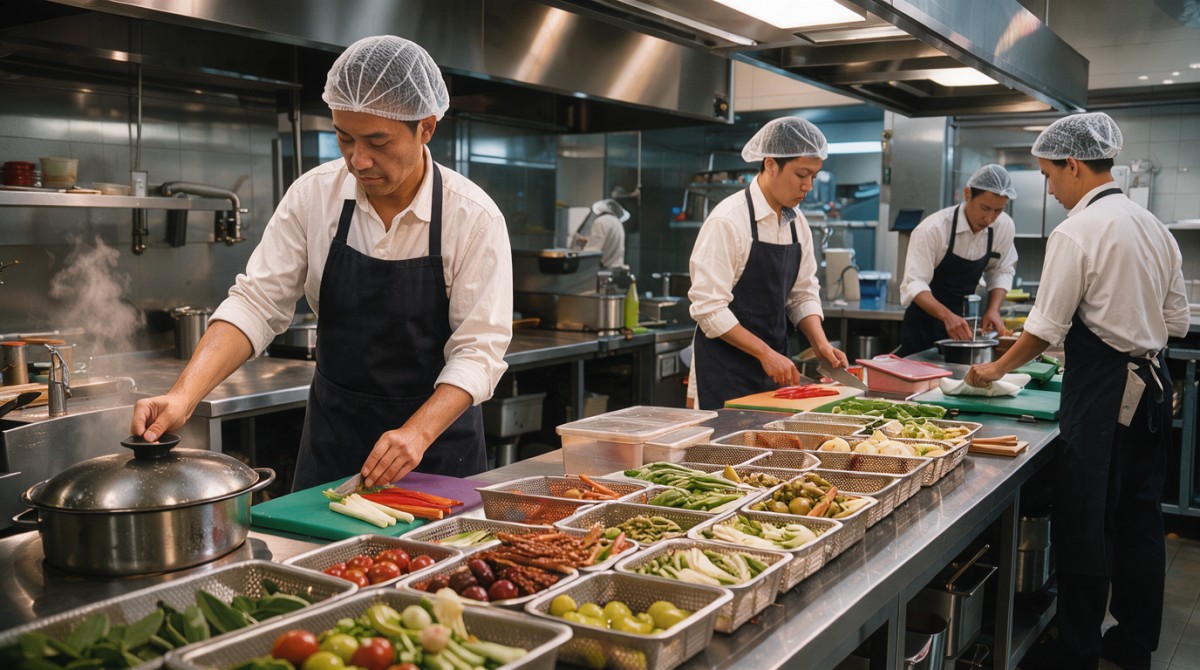
As the high tourist season approaches, restaurants across Chiang Rai are quietly reshaping their kitchens to reassure both locals and visitors that the food they serve is safe. The effort, led by the Chiang Rai Restaurant Operators Association, focuses on water quality—a concern that has lingered since reports of heavy‑metal contamination in the province’s rivers sparked anxiety about drinking water and the safety of meals. In a country where meals are often shared as a form of community and spiritual practice, the assurance of clean water is more than a health issue; it is a matter of cultural and Buddhist mindfulness.
Understanding the water‑quality challenge
Recent observations have highlighted the presence of arsenic and other heavy metals in water sources near Chiang Rai. While the source of the contamination has not been definitively identified, local discourse points to mining activities across the border in Myanmar as a possible contributor. This has heightened public concern, especially among tourists who associate the region’s natural beauty with pristine rivers and fresh produce.
In Thai culture, water is symbolically linked to purity and the Buddhist principle of “sangkhāna” – the practice of keeping the body and mind clean. When the safety of water is questioned, it reverberates through daily rituals, from the simple act of washing hands before meals to the preparation of sacred alms for monks. The recent reports have therefore prompted a broader conversation about how to maintain this sense of purity in the face of environmental stress.
Restaurant response: dual‑stage filtration
Ms. Nipaporn Wisutthiphat, president of the Chiang Rai Restaurant Operators Association, explained that many establishments have installed two‑stage water filtration systems. These units are designed to strip out contaminants and residues, ensuring that the water used for washing vegetables, cooking, and even drinking meets strict hygiene standards. The filtration process typically involves a coarse filter to remove larger particles, followed by a finer filter that targets dissolved substances such as heavy metals.
By integrating this technology, restaurants aim to protect the integrity of the ingredients that form the heart of Northern Thai cuisine—fresh herbs, crisp vegetables, and aromatic herbs that are often prepared raw or lightly cooked. The move reflects a broader commitment to uphold the Buddhist value of “ahimsa,” or non‑harm, by preventing any potential health risks associated with contaminated water.
Beyond filtration: vegetable‑washing solutions
In addition to filtered water, many eateries have adopted specialized vegetable‑washing solutions. These agents help reduce chemical residues that may linger on produce after farm‑to‑market transport. The practice aligns with the Thai tradition of meticulous food preparation, where each ingredient is treated with respect and care before it reaches the plate.
Restaurant staff are trained to use these solutions as part of a routine that includes soaking, gentle scrubbing, and thorough rinsing with filtered water. This layered approach not only addresses potential pesticide residues but also reinforces the cultural emphasis on cleanliness that is central to Thai hospitality.
Communicating safety to the public
Ms. Nipaporn has urged fellow operators to share their safety measures openly, using both traditional media and their own promotional channels. By doing so, restaurants hope to counter the lingering negative image of Chiang Rai that has been amplified by reports of river contamination. Transparency is seen as a way to rebuild trust, inviting tourists to enjoy the province’s culinary heritage without hesitation.
This outreach reflects a broader Thai value of “kreng jai,” the consideration for others’ feelings and well‑being. By proactively informing the public, restaurateurs aim to demonstrate empathy and responsibility, encouraging visitors to feel comfortable and welcome.
Impact on tourism and local livelihoods
The high season is a crucial period for Chiang Rai’s economy, as tourists flock to experience the region’s famed night markets, hill‑tribe villages, and scenic landscapes. Food is a central attraction; the province’s signature dishes—such as khao soi, sai ua, and nam prik ong—draw diners from across Southeast Asia. Ensuring food safety therefore directly supports the livelihoods of countless families who depend on tourism.
When confidence returns, the ripple effect can be felt in local markets, where farmers see increased demand for fresh produce, and in the hospitality sector, where hotels and guesthouses benefit from higher occupancy rates. The collective effort to secure water quality thus becomes a shared endeavor that intertwines environmental stewardship with economic resilience.
Looking ahead: sustainability and regional cooperation
While the immediate focus is on filtration and cleaning practices, the situation underscores the need for longer‑term solutions to water contamination. Regional cooperation with neighboring Myanmar on mining regulations and watershed management could help address the root causes of heavy‑metal runoff. In Thai Buddhist thought, the concept of “interdependence” reminds us that the health of the river, the safety of the food, and the well‑being of the community are all linked.
Local authorities and business groups are beginning to explore joint monitoring programs and stricter enforcement of environmental standards. Such initiatives would complement the restaurant sector’s efforts, creating a more holistic approach to safeguarding the province’s natural resources for future generations.
Conclusion: A renewed promise of safe, shared meals
In the weeks leading up to the high season, Chiang Rai’s restaurants are not only polishing their kitchens but also reaffirming a cultural promise: that meals shared at the table should be a source of nourishment, comfort, and spiritual harmony. By installing dual‑stage filtration systems, adopting thorough vegetable‑washing protocols, and communicating openly with the public, they aim to restore confidence in the province’s culinary offerings.
For travelers seeking the warmth of Thai hospitality and the flavors of Northern cuisine, the message is clear: the water that touches your food is being treated with the same care and mindfulness that underpins the country’s Buddhist traditions. As the season unfolds, diners can look forward to enjoying Chiang Rai’s beloved dishes with a renewed sense of safety and shared gratitude.
This article was produced with AI-assisted research and editorial support. Reporting is based on the source material cited below. Sources: Khaosod English; khaosodenglish.com; Global1.News (17 November 2026).
By Ann Srisawat, Staff Writer
What's Your Reaction?
 Like
0
 Dislike
0
 Love
0
 Funny
0
 Wow
0
 Sad
0
 Angry
0

Southeast Asia Correspondent at Global1.News. Based in Bangkok, covering Thai and Southeast Asian politics, economy, technology, and culture. Deep regional perspective on one of the world's most dynamic regions.















Comments (0)