
Kano’s Mass Wedding: Love, Fraud, and 1.5bn Naira
In the ancient city of Kano, where the dust of the Sahel meets the vibrancy of northern Nigeria’s largest metropolis, love is being given a helping hand—but not without a few complications.
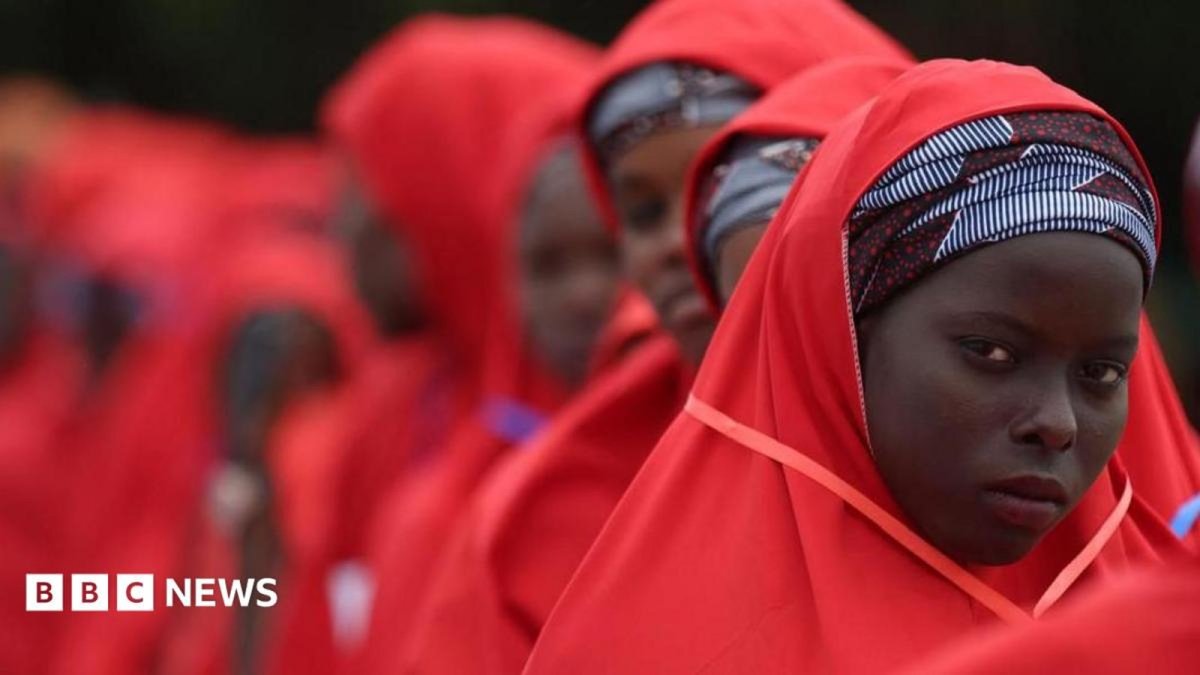
In the ancient city of Kano, where the dust of the Sahel meets the vibrancy of northern Nigeria’s largest metropolis, love is being given a helping hand—but not without a few complications. This week, 1,500 couples tied the knot in a state-sponsored mass wedding, a colourful spectacle that has transformed the city into a celebration of unity, faith, and economic relief. Yet behind the joy and the matching red hijabs lies a delicate dance: how do you tell a genuine lover from a fraudster eyeing the government’s generous wedding package?
Kano’s Mass Wedding: Love, Fraud, and 1.5bn Naira
Kano, Nigeria — The streets of Kano have been a riot of colour and excitement over the last week as 1,500 couples married at a mass wedding sponsored by the Kano state government. For days, bridal parties and their families have been buzzing through the city, preparing outfits and attending organised events. On Friday, brides in red hijabs and grooms in matching red hats and white robes gathered at the palace of the Emir, the city’s traditional Muslim leader, for the main ceremony where they officially became husband and wife. The nuptials culminated on Saturday with a wedding breakfast hosted by Governor Abba Kabir Yusuf, who offered his blessing to the newlyweds.
A Generous Hand for Struggling Couples
The Kano state government has spent 1.5bn naira ($1m; £815,000) to support those tying the knot, providing the bride’s dowry and furniture for the couple’s first home. The scheme targets low-income individuals who cannot afford the significant financial costs associated with marriage. For many, this is a lifeline. Amina Alhassan, 24, who married 40-year-old Nura Abdullahi in a union first arranged by their families in Dambatta village, says she could not have afforded to get married at the moment had it not been for the mass wedding scheme. Her story echoes the sentiments of thousands of young Nigerians grappling with an economy that has made the simple act of starting a family a daunting financial mountain.
From 100 Couples to 5,000 Applicants
The annual event was initiated in 2012 by the then-governor when 100 couples—primarily widows and divorcees—wed at the palace. The mass weddings have continued under subsequent governors, with numbers expanding each year as demand has grown and included those in polygamous Muslim marriages. Such is the popularity of the scheme that 5,000 couples applied this year. The growth reflects a deep-seated need in a region where marriage is not just a personal milestone but a communal and religious obligation, often accompanied by hefty expenses that many simply cannot bear.
The Hisbah’s Tricky Task
The event is always overseen by the Hisbah—the city’s Islamic police force—and one of their main tasks is to vet the couples wanting to wed. Kano has a majority Muslim population and Sharia operates in the state alongside the secular legal system. Mujahid Aminudeen, deputy commander-general of the Hisbah, admits it is not an easy task. “Whenever we find out that there’s something dubious or fishy about a couple, we disqualify them,” he tells the BBC. He says some couples will go to great lengths to convince the authorities that they are a genuine love match when their eye is more on the benefits on offer.
Fraudsters and Desperation
The Hisbah office has been very busy for weeks as brides and grooms try to ensure they made the final list. The state government has spent approximately 1m naira ($735; £544) on each participating couple. According to the Hisbah, the support package a couple receives includes essential household items needed to establish a new home: beds, mattresses, bedsheets, pillows, furniture and food supplies. Each bride receives a dowry of 100,000 naira, while a further 100,000 naira is provided as start-up capital to encourage small-scale entrepreneurship and help the couple achieve financial self-reliance after marriage.
Medical Tests and Altered Results
All intending couples must undergo comprehensive medical examinations—including tests for HIV, hepatitis, pregnancy and genotype compatibility—before being cleared for the programme. Aminudeen revealed that some couples had been disqualified after being discovered to have altered their medical test results. In one case, an intending bride was found to have presented her brother as the groom in an attempt to benefit from the scheme. Such deceptions highlight the lengths to which some will go, driven by economic desperation rather than romantic intent.
Economic Strain Fuels Desperation
Local journalist Yusuf Ali Abdallah, who has covered the mass weddings for years, said Nigeria’s struggling economy had been fuelling desperation among the applicants this year. “As we all know, marriage involves spending money and the country’s economy is not bright at the moment,” he told the BBC. “This makes some people desperate to get on this list.” One couple who were already married had even attempted to present themselves as an intending pair before being detected and removed from the programme, he said. The economic reality is stark: with inflation eroding purchasing power and unemployment high, the promise of a fully funded wedding is a powerful lure.
Bribes and False Promises
Other charlatans have tried to take advantage of those desperate to get on the sponsored list, which was made public two weeks ago. One Kano resident, who asked to be anonymous, said he had been asked to pay a bribe to get on the list. “But to be fair to the organisers, I later found out those who asked me for money were not Hisbah staff,” he said. He and his fiancée failed to be chosen for this August’s wedding but he said he would try again next year. Aminudeen admitted that the Islamic police were aware of such allegations: “We have found that there are some people asking others to pay certain money so they can make the list.” But the Hisbah officer wanted to assure all those wishing to wed in future that the entire process should not cost them a single naira. “We want to announce to the people of Kano that the whole process is free: from the selection to the medicals and the goods set aside for couples—all are covered by the government.”
A Success Story Amid the Chaos
One of the successful grooms, 43-year-old clothes trader Rabiu Yusuf, agreed the process of applying to be married had gone smoothly for him. “Personally, no-one asked me for anything. I was told the government would sponsor it all,” he told the BBC. His new wife is Aisha Auwal—the couple met as she regularly visited his shop to buy clothes. Yusuf, who already has five children with his first wife, said he was "very happy and can't wait to start a new life" with his customer-turned-bride. For them, the scheme has been a blessing, allowing them to start their life together without the crushing weight of wedding debt. Their story is a reminder of the scheme’s core purpose: to give hope to those who have little, and to celebrate love in a community that values family above all.
A West African Lens on Marriage and Community
For those of us in West Africa, marriage is never just about two individuals. It is a union of families, a celebration of community, and a rite of passage steeped in tradition. From Senegal to Nigeria, the costs of weddings—dowries, ceremonies, feasts—can be prohibitive, often requiring years of saving or family contributions. The Kano mass wedding scheme, while unique in its scale, speaks to a shared regional challenge: how to honour the sanctity of marriage without letting economic hardship stand in the way. In many ways, the government’s intervention is a modern adaptation of the age-old communal support system, where the village raises the child and, in this case, helps the couple start their home.
Balancing Generosity and Integrity
The Kano state government’s initiative is a bold experiment in social welfare, one that has brought joy to thousands but also exposed the vulnerabilities of a system under strain. The Hisbah’s vetting process, while rigorous, is not foolproof, and the temptation to exploit the scheme is a reflection of the broader economic pressures facing the region. Yet the organisers remain committed to transparency, and the overwhelming majority of couples are genuine, grateful recipients of a helping hand. As the celebrations wind down and the newlyweds settle into their new homes, the question remains: how can such schemes be protected from abuse while continuing to serve those in need?
Looking Ahead
For now, the mass wedding has been a resounding success, bringing together 1,500 couples in a display of faith, community, and state support. The 5,000 applicants who did not make the cut this year will have to wait, but the promise of next year’s event offers hope. As Amina Alhassan and Rabiu Yusuf begin their married lives, they carry with them not just the furniture and dowry provided by the state, but the knowledge that their community—and their government—believes in their future. In a region where economic hardship often overshadows joy, Kano’s mass wedding is a reminder that love, and the will to support it, can still prevail.
This article was produced with AI-assisted research and editorial support. Sources: BBC News
By Amara Diop, Staff Writer
What's Your Reaction?
 Like
0
Like
0
 Dislike
0
Dislike
0
 Love
0
Love
0
 Funny
0
Funny
0
 Wow
0
Wow
0
 Sad
0
Sad
0
 Angry
0
Angry
0

West Africa/Sahel Correspondent at Global1.News. Dakar-based journalist covering politics, security, climate, and development across Francophone and Anglophone West Africa. Tells the stories of a region undergoing profound transformation.











Comments (0)