
Russian Missiles Hit Kyiv's Two Main Bridges as the Kerch Bridge Is Struck Again
Russian ballistic missiles struck Kyiv's North and South bridges over the Dnipro late on November 16, damaging critical infrastructure and disrupting water and heating, while Ukraine struck the Kerch Bridge for a second straight day.
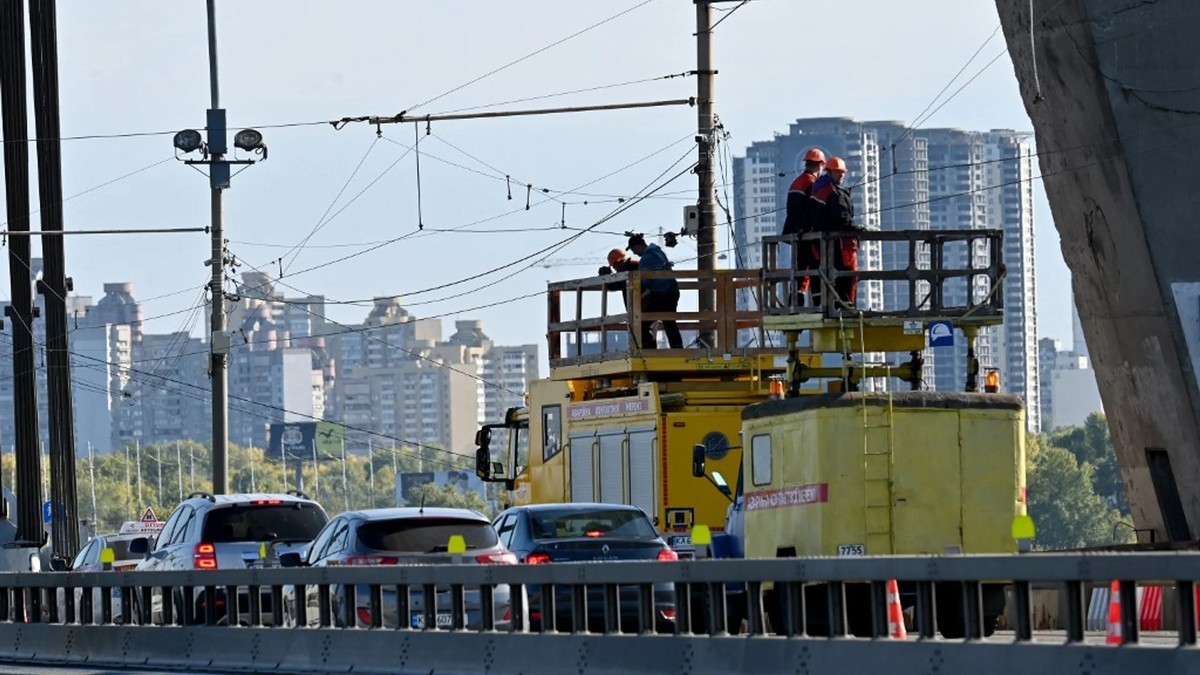
Russian ballistic missiles struck Kyiv's North and South bridges over the Dnipro River late on November 16, Mayor Vitali Klitschko said, in an overnight attack that also damaged critical infrastructure and cut water and heating to parts of the capital. Hours later, the Kerch Bridge linking Russia to occupied Crimea was struck for a second consecutive day, according to the peninsula's Moscow-installed governor.
Russian Missiles Hit Kyiv's Two Main Bridges as the Kerch Bridge Is Struck Again
Kyiv, Ukraine — The full extent of the damage to either crossing is not yet known.
Two Bridges, One Night
Klitschko said preliminary reports indicated impacts on the North and South bridges, the two spans that carry the central road traffic across the Dnipro. He first reported the strikes shortly before midnight local time, then said the attack had damaged critical infrastructure systems across the city.
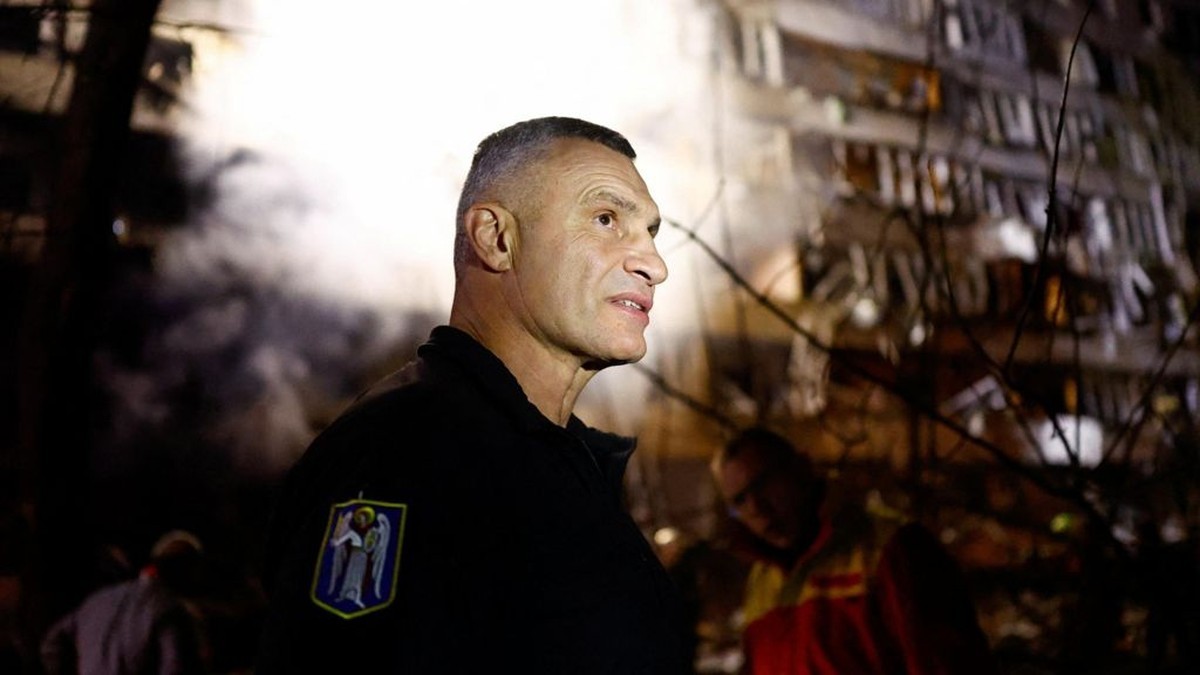
Explosions were reported across the capital, a city of three million people. Journalists in Kyiv described the blasts as some of the loudest heard in recent months, with smoke visible above the city afterward. Air defense units were working over the capital as the attack continued into the early hours of November 17, and authorities warned of an ongoing ballistic missile threat.
No confirmed death toll has been established for this attack, and the condition of the two bridges has not been described beyond the initial reports of impacts.
What Klitschko Said, and When
Air defense began operating in the capital at 11:34 p.m. on November 16, the mayor reported, according to UNITED24 Media. Minutes later he wrote on Telegram: "Preliminarily, hits to the North and South bridges in the capital."
At 12:15 a.m. he said the attack had damaged critical infrastructure systems, causing disruptions to water and heating supplies in some districts. "Some areas are experiencing disruptions to water and heating supplies," Klitschko said, after stating earlier that the city had suffered "damage to critical infrastructure systems."
The Guardian recorded the first bridge post as just before midnight local time, 2200 GMT, shortly after the Ukrainian air force warned of incoming missiles. Witnesses reported a series of loud explosions, and the mayor did not describe the condition of either span beyond the initial reports of impacts.
The City That Runs on Eight Crossings
Eight major bridges span the Dnipro in Kyiv, joining the western and eastern halves of the capital, and an estimated three million residents rely on them to move across the city, the BBC reported.
Russian forces targeted the capital's bridges in multiple drone attacks in early October, damaging the road surfaces of the North and South bridges and disrupting traffic across Kyiv, the Kyiv Independent reported. Several of the capital's major crossings were hit again later that month.
President Volodymyr Zelensky accused Russia last week of running a concerted operation against Ukraine's bridges in order to "divide Ukraine... and make life as difficult as possible for people" on both sides of the Dnipro, the BBC reported.
Heat, Water and the Subway
The overnight attack disrupted water and heating supplies in some districts, Klitschko said, and officials reported that some of Kyiv's above-ground subway services were damaged. Civilians had been told to go to civil defense shelters, and residents of the capital typically shelter in the underground stations during air raids.
The pressure on Ukraine's power system extends well beyond the capital. Nuclear safety regulators from 38 countries said on November 16 that the risk of a nuclear accident in Ukraine is rising as Russian attacks threaten the country's electricity system, and called on Moscow in a joint statement to stop striking energy infrastructure, the Kyiv Independent reported.
The Other Cities Hit the Same Night
Explosions were reported in Smila, Kharkiv, Zaporizhzhia, Dnipro, Cherkasy and Pavlohrad during the same wave of strikes, the Kyiv Independent reported. Local channels reported the same cities through the night, according to UNITED24 Media. In Zaporizhzhia an industrial facility was hit, according to Mykhailo Semikin, acting head of the regional military administration.
Ivan Fedorov, co-chair of the Zaporizhzhia Regional Defense Council, said six strikes had hit the region and that emergency services were assessing the damage. In Kharkiv, the Kholodnohirskyi district was struck, Mayor Ihor Terekhov said.
Three people were injured in the Cherkasy region, local officials said, and Ihor Taburets, head of the Cherkasy Oblast Military Administration, identified the city of Smila as one of the targets.
Kerch, Struck for the Second Day
Crimea's Moscow-installed governor, Sergey Aksyonov, said on Telegram that Ukrainian forces struck the Kerch Bridge again overnight and that traffic across it was suspended. Ukraine has not officially claimed responsibility for either strike, and the severity of the latest damage is unclear.
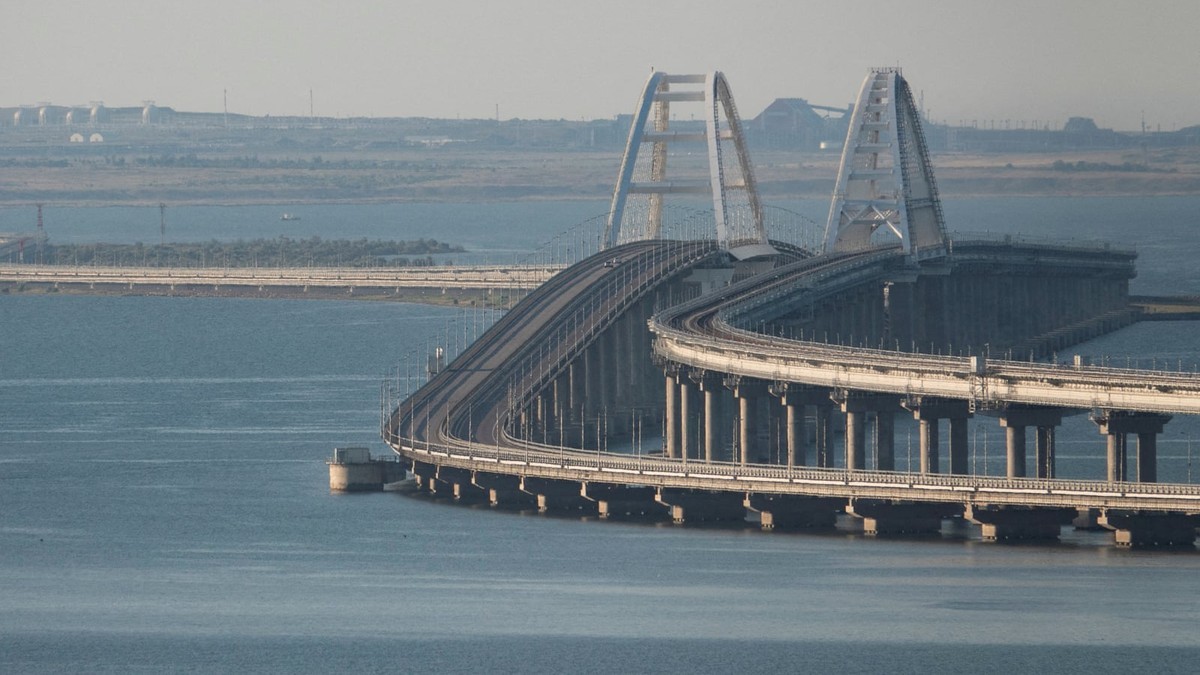
On Monday a Ukrainian drone crashed into one of the bridge's arches, The Guardian reported. Russian pro-war military commentators said on Telegram that the damage came from the impact of drone-warhead debris rather than a direct hit, the BBC reported. Neither Ukraine's domestic security service nor its military intelligence directorate responded to a BBC request for comment.
The bridge was built after Russia's 2014 annexation of Crimea and inaugurated by President Vladimir Putin in 2018. Ukraine says it is a legitimate military target. Atesh, a partisan Ukrainian group operating inside Russian-held territory, said on social media that authorities in Crimea were "bracing for further strikes" on the crossing, the BBC reported.
The Numbers Russia Put on the Table
Russia's Defense Ministry said its air defenses intercepted and destroyed 2,049 drones and four Flamingo long-distance missiles over 24 hours, the BBC reported. Moscow Mayor Sergey Sobyanin said around 600 drones flew toward the capital.
In a different window, the ministry said it intercepted 1,336 drones overnight on November 16, over 15 Russian regions, occupied Crimea, the Sea of Azov and the Black Sea, the Kyiv Independent reported. The two counts cover different periods. Kyiv has not commented on either figure and does not normally disclose how many drones it launches.
Russian officials also reported Ukrainian strikes on energy sites, including the Ilsky oil refinery in the Krasnodar region, where falling debris sparked a fire and injured six people including children, the BBC reported. An oil depot in the Rostov region city of Azov was also reported to be on fire, according to the Kyiv Independent.
Sobyanin's figures were issued piece by piece through the night. Shortly after 1 a.m. on November 16 he said 15 drones heading for Moscow had been downed and that 82 had been in the air since Sunday evening, then claimed a further 42 had been shot down, Ukrainska Pravda reported. The governor of Yaroslavl region, Mikhail Yevrayev, said the road from Yaroslavl toward Moscow was closed while defense ministry and law enforcement units worked to repel the attack.
Peace Talks in One Room, Missiles in Another
The strikes landed hours after Ukrainian, US and European officials held online talks on ending the war. US envoy Jared Kushner and US special envoy Steve Witkoff took part, the BBC reported, and Zelensky said representatives from France, the UK, Germany, Italy and Poland participated in full.
"Diplomatic processes are actively underway and we hope that these efforts will not be in vain," Zelensky said on Monday. He called the discussion "not easy" without elaborating, and said all had agreed to meet in Berlin with the "coalition of the willing."
In Moscow, Kremlin aide Yuri Ushakov said Russia had not yet agreed to European participation in the next round, contradicting US negotiators who said the Europeans would be at the table. The International Monetary Fund separately reported important progress toward a staff-level agreement that would free $1.6bn for Kyiv once financing assurances are secured.
The Warning That Came Before the Sirens
Earlier on Monday, Zelensky told Ukrainians an attack was coming. "Tonight, overnight and throughout tomorrow, please pay attention to missile danger alerts," he said in his nightly address. "And they there, in Russia, must know that for every one of their evils there will be our just response."
He said Ukrainian intelligence had identified Russian plans for strikes on Monday evening and through Tuesday, the Kyiv Post reported. He also said Russia is receiving "dozens of missiles per month" from North Korea, citing a report from Ukraine's HUR military intelligence directorate.
"This is extremely dangerous and not only for Ukraine," Zelensky said. "By using its ballistic missiles in this war, North Korea is making its weapons more effective." He called on European allies to send more weapons so Ukraine could respond "on equal terms," The Guardian reported. The strikes came in the fifth year of the full-scale war, which began with Russia's February 2022 invasion.
What to Watch Next
The 37th meeting of the Ukraine Defense Contact Group, in the Ramstein format, is set for November 17 at NATO headquarters in Brussels, convened by the UK and Germany, UNITED24 Media reported. It was due to open hours after the strikes.
In the east, rescue operations in Komyshuvakha ended on November 16, two weeks after the Russian strike on the village, with 72 dead and four still missing, the Kyiv Independent reported. Interior Minister Ivan Vyhivskyi called the November 2 shelling one of the most tragic events of the full-scale war.
Across Ukraine, Russian attacks killed six people and injured 45 over the preceding day, the Kyiv Independent reported, while the BBC recorded a record 17 air raid alerts in Kyiv in a single day and blackouts for 50,000 people. Those figures cover the day before this attack, not the bridge strikes.
By Jessica Ali, Staff Writer
This article was produced with AI-assisted research and editorial support. Sources: BBC News, Kyiv Independent, Kyiv Post, The Guardian, UNITED24 Media and Ukrainska Pravda. Photographs: Sergei Supinsky/AFP via Kyiv Post (lead image, file photograph); Reuters via The Guardian (Kerch Bridge, file image); Reuters via BBC News (Kyiv strike site, file image).
What's Your Reaction?
 Like
0
 Dislike
0
 Love
0
 Funny
0
 Wow
0
 Sad
0
 Angry
0

Editor-in-Chief at Global1.News. Atlanta-based journalist who cuts through the BS and tells it like it is. Lead anchor, host, and the voice you hear when the spin stops and the truth starts.











Comments (0)