
SVB Collapse Exposes the Fragile Foundation for Entrepreneurs of Color
SVB Collapse Exposes the Fragile Foundation for Entrepreneurs of Color The Sudden Shock of SVB's Failure Hits Vulnerable Founders Hardest When Silicon Valley Bank collapsed on March 10, the fallout did not spread evenly. Founders from underrepresented communities found themselves scrambling for payroll access with fewer backup options than their peers. Arlan Hamilton, the 43-ye
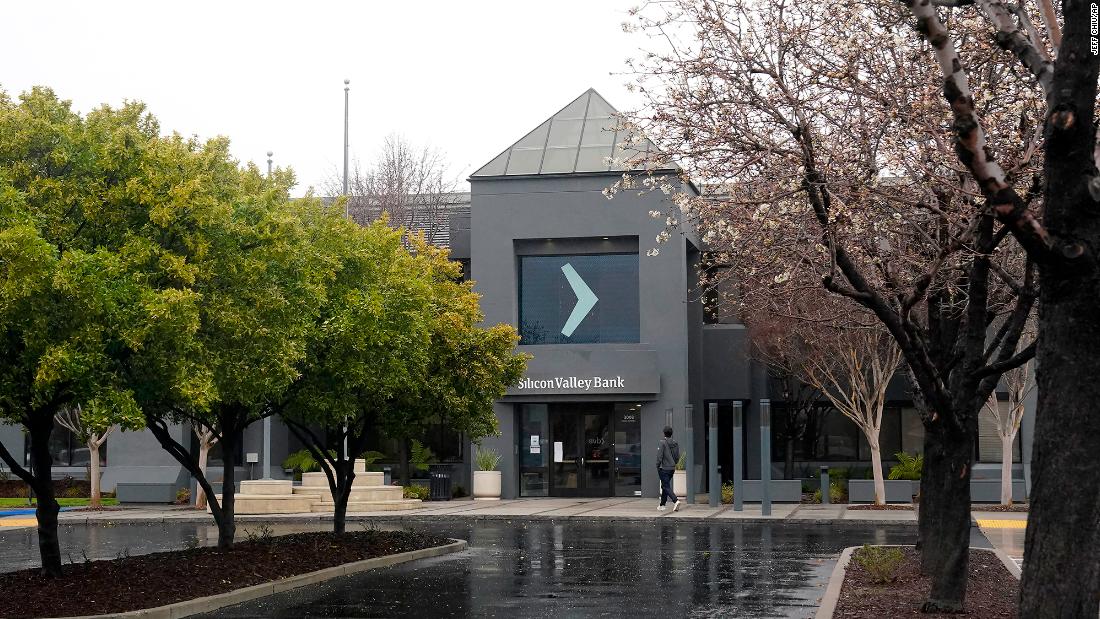
The Sudden Shock of SVB's Failure Hits Vulnerable Founders Hardest
When Silicon Valley Bank collapsed on March 10, the fallout did not spread evenly. Founders from underrepresented communities found themselves scrambling for payroll access with fewer backup options than their peers. Arlan Hamilton, the 43-year-old founder and managing partner of Backstage Capital, stepped in directly to assist some of those facing immediate cash crunches. As a Black woman with nearly a decade in the business, Hamilton understood the limited choices available once a key lender disappeared.
Hamilton described the position of entrepreneurs of color bluntly: "we're already in the smaller house. We already have the rickety door and the thinner walls. And so, when a tornado comes by, we're going to get hit harder." That assessment captures the structural weakness that turned one bank's failure into an acute crisis for certain startups.
SVB Stood Out by Serving Communities Others Ignored
Established in 1983, Silicon Valley Bank ranked as America's 16th largest bank by the end of 2022. It served nearly half of all venture-backed technology and life-sciences companies in the United States. What set it apart was its consistent outreach to minority entrepreneurs through sponsorship of conferences, networking events, and the annual State of Black Venture Report produced by BLK VC.
Joynicole Martinez, a 25-year entrepreneur and chief advancement and innovation officer for Rising Tide Capital, noted that SVB filled gaps left by larger institutions. "When other banks were saying no, SVB would say yes," she said. The bank also supplied discounted tech tools and research funding to clients who otherwise struggled for entry.
Numbers Reveal Persistent Lending Gaps That Predate the Collapse
Data from the Small Business Credit Survey, compiled by all 12 Federal Reserve banks, documents clear differences in financing outcomes. In 2021, roughly 16 percent of Black-led companies secured the full amount of bank financing they requested, compared with 35 percent of White-owned companies. These figures reflect long-standing patterns rather than isolated incidents.
Martinez did not hedge when describing the root cause. "We know there's historic, systemic, and just blatant racism that's inherent in lending and banking," she stated. The survey results align with that view and show why reliance on a single receptive lender like SVB created concentrated risk for certain founders.
Immigrant and Minority Founders Explain Their Preference for Regional Banks
Asya Bradley, an immigrant founder of multiple tech companies including the financial services firm Kinley, observed that many women, people of color, and immigrants turn to community or regional banks precisely because the largest institutions often reject them. She described a WhatsApp group of more than 1,000 immigrant business founders that formed quickly after SVB's collapse to share resources and support.
Bradley pointed to the "top four banks" — JPMorgan Chase, Bank of America, Wells Fargo, and Citibank — as frequent barriers. Regional players such as SVB had filled that void by extending both capital and connections that larger competitors withheld.
Industry Patterns Show Why One Bank's Exit Leaves Lasting Damage
SVB's reputation for servicing underrepresented founders meant its sudden absence removed a recognized pathway rather than an optional extra. Hamilton and Martinez both emphasized that minority entrepreneurs already operate with thinner margins and fewer alternatives. The bank's sponsorship of events and reports created networks that extended beyond individual loans.
These networks mattered because discriminatory denial rates at traditional lenders remain documented. Without replacement institutions stepping into the same role at scale, the disparities recorded in the 2021 survey data will likely widen rather than close.
Calls for Reform Must Confront the Data Instead of Repeating Vague Promises
Industry experts and investors interviewed for this story agree that the SVB episode has renewed focus on capital access gaps. Yet the same experts stress that meaningful change requires acknowledging the denial-rate differences between Black-led and White-owned firms rather than framing the issue as a temporary liquidity problem.
Hamilton's metaphor of the smaller house with rickety doors remains the clearest warning. Until lending practices shift to match the rhetoric around inclusion, another institutional failure will again strike the same group hardest. The 2021 Federal Reserve survey numbers stand as evidence that the current system already produces unequal results; SVB's collapse simply removed one of the few workarounds that had operated at meaningful scale. By Jessica Ali, Staff Writer
This article was produced with AI-assisted research and editorial support. Reporting is based on sources cited in the article.
What's Your Reaction?
 Like
0
Like
0
 Dislike
0
Dislike
0
 Love
0
Love
0
 Funny
0
Funny
0
 Wow
0
Wow
0
 Sad
0
Sad
0
 Angry
0
Angry
0

Editor-in-Chief at Global1.News. Atlanta-based journalist who cuts through the BS and tells it like it is. Lead anchor, host, and the voice you hear when the spin stops and the truth starts.














Comments (0)