
Simon Levy Whole-Life Order: Met Failures Exposed
The name Simon Levy will now be etched into the grim catalogue of British justice failures — a catalogue that already includes John Worboys, Wayne Couzens and David Carrick. But this case is different. This was not a predator who slipped through the cracks; this was a predator who was handed a map to the cracks and waved through them by a system that repeatedly chose paperwork over protection.
The name Simon Levy will now be etched into the grim catalogue of British justice failures — a catalogue that already includes John Worboys, Wayne Couzens and David Carrick. But this case is different. This was not a predator who slipped through the cracks; this was a predator who was handed a map to the cracks and waved through them by a system that repeatedly chose paperwork over protection.
At the Old Bailey on Wednesday, Judge Mark Lucraft KC condemned the 40-year-old to a whole-life order for the sexually motivated murders of two women and the rape of a third. Yet the most damning verdict was not delivered in Court Number One — it was delivered by the sequence of catastrophic decisions that left Levy free to kill while on bail, monitored by the very institution now apologising for its own incompetence.
Simon Levy Sentenced to Whole-Life Order: The System That Failed to Stop a Serial Predator
London, UK – 12 August 2026 — Simon Levy, 40, of Tottenham, north London, will die in prison. Sentencing him at the Old Bailey, the Recorder of London, Judge Mark Lucraft KC, told the court that Levy's case "cannot be described in any way as a borderline case" as he imposed a whole-life order — a sentence reserved for the most heinous offenders. Levy now joins an exclusive and infamous cohort: he is one of only 76 prisoners in England and Wales currently serving whole-life orders, meaning he will never be considered for release.
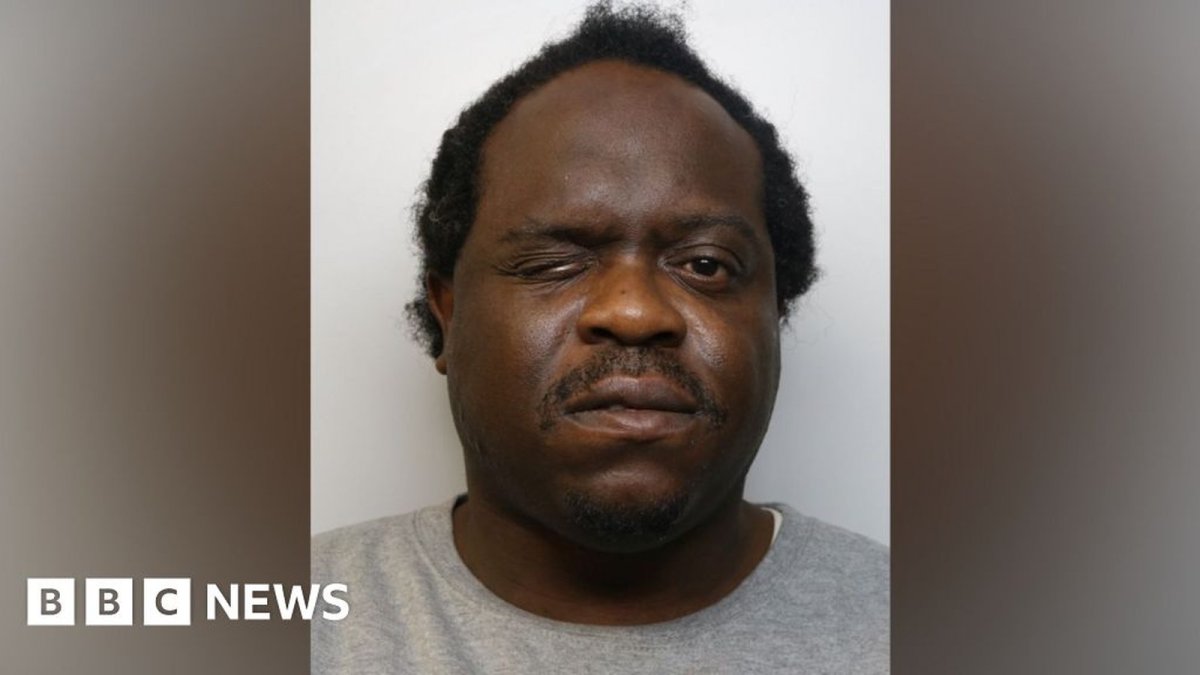
The sentencing caps a case that has exposed the criminal justice system's inability to connect the dots — or, more accurately, its refusal to act on the dots that were handed to it on a plate. Levy's reign of terror spanned at least four years, involved the murders of Carmenza Valencia-Trujillo, 53, and Sheryl Wilkins, 39, the rape of a third woman, and the sexual assault of 11 others. Ten of those assaults took place on trains and the Tube across London between 2023 and 2025 — many committed while he was on bail.
The Murders: Two Women, Two Boroughs, One Pattern
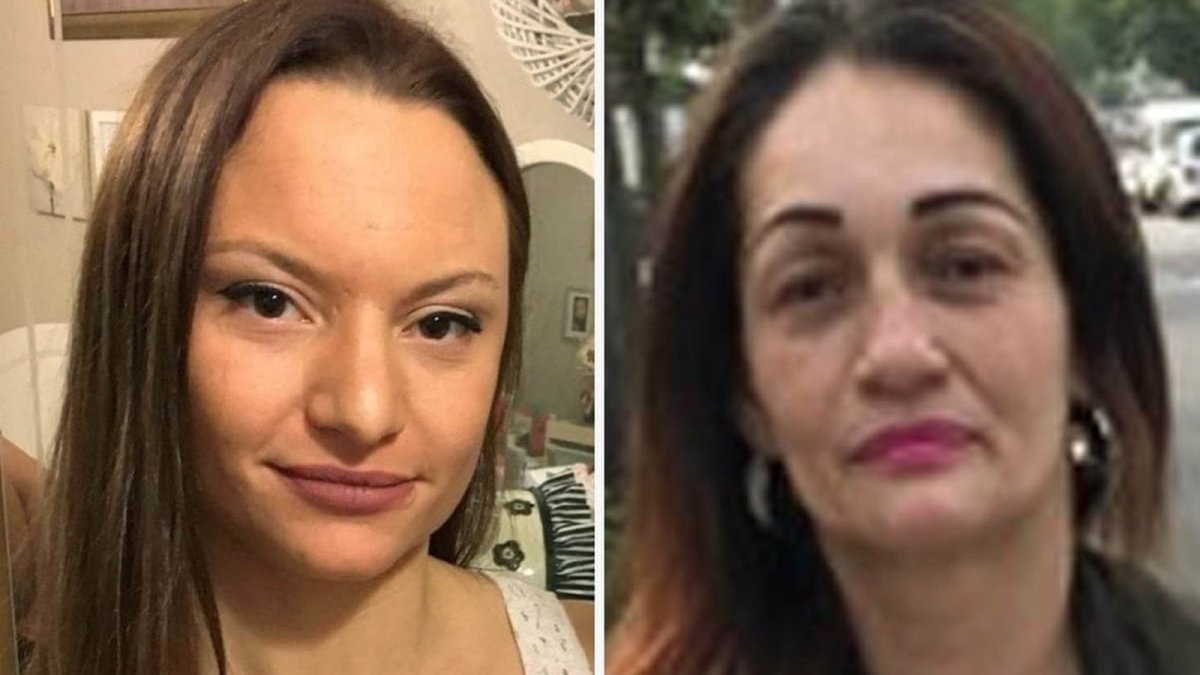
Levy's first known murder victim, Carmenza Valencia-Trujillo, was found dead in March 2025 in a largely abandoned block of flats on the Aylesbury estate in south-east London. The 53-year-old had been suffocated in a sexually motivated attack. Five months later, in August 2025, Levy struck again. Sheryl Wilkins, 39, was found murdered behind a car park wall near Tottenham High Road, north London — killed just one day short of her 40th birthday. The post-mortem examination revealed 83 separate marks on her body. The location was not random: it was the same Tottenham car park where Levy had raped another woman months earlier.
Prosecutor Tom Little KC told the court that sexual violence was "inextricably interwoven with the killing" of both victims. The pattern was unmistakable — yet the authorities remained unmoved. Levy was on bail as a suspect for the first murder when he committed the second, because police said they lacked sufficient evidence to charge him. He was being monitored by the Met Police at the time.
The Survivor: 'I Will Play Music Again and Smile'
Among the most harrowing testimony came from a woman identified only as "ED", a 35-year-old mother and classical pianist from eastern Europe who had been trafficked to the UK. In January 2025 — two months before the first murder — Levy beat, suffocated and raped her in Tottenham, leaving her for dead. She survived. In a victim impact statement that reduced the courtroom to silence, she vowed: "I will play music again and smile."
ED had told police where Levy lived. She was not formally interviewed until after Levy had killed. That single fact encapsulates the systemic failure that allowed a predator to continue his spree. The woman who survived gave authorities the key to unlock the investigation — and they left it in the door, unopened, while two other women lost their lives.
A Catalogue of Catastrophic Failures
The list of errors is staggering, even by the standards of recent policing scandals. British Transport Police arrested Levy for the train assaults months before the first murder but made errors that delayed charging him. The Crown Prosecution Service (CPS) failed to provide three separate court hearings with key information showing the danger he posed, and bungled efforts to have him remanded in custody. The Met Police downgraded his risk assessment from high to medium in August 2024 — partly because he was blind in one eye, an injury believed to be a reprisal for the rape of another woman.
Levy's prior offending was extensive and documented. His string of convictions for attacking women dates back to July 2018. He was jailed in September 2021 for two sexual assaults, placed on the sex offender register, and convicted of assaulting a prison officer in 2022. He was, by any measure, a known and escalating threat. Yet the system treated him as a medium-risk nuisance rather than the serial predator he demonstrably was.
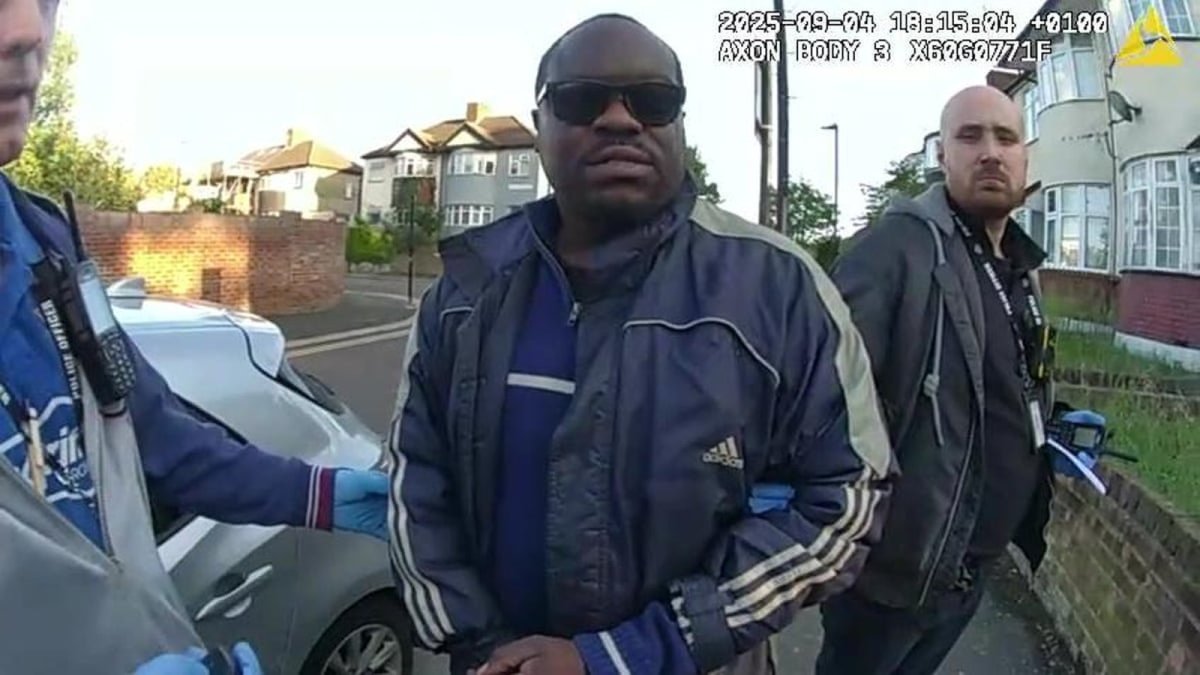
The police watchdog, the Independent Office for Police Conduct (IOPC), is now examining how Levy was managed over four years — from his first conviction in September 2021 to his final arrest in September 2025. Two Met officers are under investigation. When police finally arrested him, he was wearing children's pyjamas. He has dyslexia, autism and learning difficulties, was long-term unemployed, and lived with his mother and sister.
The Judge's Verdict: 'Ruthless Exploitation'
Judge Lucraft was unequivocal in his condemnation. Levy, he said, "ruthlessly exploits others for your own personal sexual satisfaction" and displayed a "morbid fascination with sex, rape, and crime". His offences reflected "a series of attacks by you upon vulnerable women". The judge concluded: "You will be in prison for life and there will be a whole life order."
The victims' families delivered their own verdicts. Lindsey Hicks, Sheryl Wilkins' sister, told the court: "I hope you rot in prison for the rest of your life... We should have been growing old together like sisters do." Mary Wilkins, Sheryl's mother, addressed Levy directly: "Our Sheryl has ended your chances of hurting anyone else."
The Fallout: A System Under Siege
The political and institutional reaction has been swift and damning. Met Commissioner Sir Mark Rowley described the handling of the case as a "whole system failing" and issued an apology. But his defence of his own officers was telling: "He was repeatedly put by police before the courts seeking he be remanded in custody... between the CPS and the courts, they kept bailing him." Rowley added a broader warning: "We are seeing far too many cases day in and day out — knife carrier sex offenders who have been bailed when a few years ago they had been remanded in custody."
Mayor of London Sir Sadiq Khan said the victims "deserved a system that believed and protected them" and that "time and time again, opportunities to stop him were missed". He has called for a "multi-agency review", adding: "No woman or girl should be, or feel, unsafe in London."
Shadow justice secretary Nick Timothy has written to the Director of Public Prosecutions, stating: "Levy was free to do this partly because your organisation failed to make the case for this sexual predator to be put back behind bars, in spite of warnings from others." Former safeguarding minister Jess Phillips, the Labour MP for Birmingham Yardley, was characteristically blunt, describing a "litany of failures" and adding: "An idiot could have seen that [Levy was a risk]... the state could definitely have prevented it so it has to bear that responsibility."
Harriet Wistrich of the Centre for Women's Justice went further: "The catalogue of combined failures in this case provides terrifying evidence that our criminal justice system is in a state of collapse... the Met police are not fit for purpose."
The Wider Context: A Pattern of Institutional Failure
This case does not exist in a vacuum. It follows a grim lineage of institutional failures to protect women from known predators. The Angiolini inquiry, established after the Wayne Couzens murder of Sarah Everard, is due to report next year and is considering a finding that police are institutionally misogynist. The names Worboys, Couzens and Carrick have become shorthand for a system that repeatedly fails to connect the dots — or, worse, chooses not to.
Government sources have indicated there are no plans for an independent inquiry into the Levy case, despite the Mayor of London's call for a multi-agency review. The absence of a formal inquiry will be seen by many as a further insult to the victims and their families — and as evidence that the lessons of previous scandals remain unlearned.
The Bottom Line — What Comes Next
Simon Levy will never leave prison. That is the one certainty in this case. But the questions that remain are uncomfortable and unresolved. How did a man with a documented history of sexual violence, on the sex offender register, under police monitoring, manage to murder two women and rape a third? Why did the CPS fail to present evidence at three separate hearings? Why did the Met downgrade his risk assessment? And why, when a survivor gave police his address, did they wait until after he had killed to interview her?
The IOPC investigation into two Met officers will report in due course. The Angiolini inquiry will report next year. But for the families of Carmenza Valencia-Trujillo and Sheryl Wilkins, and for the survivor ED, these processes offer little comfort. The system failed them — repeatedly, catastrophically, and with a consistency that suggests the problem is not individual error but institutional culture. Until that culture changes, the question is not whether another Simon Levy will emerge — but whether the system will finally be ready to stop him.
By Erica Thornton, Staff Writer
This article was produced with AI-assisted research and editorial support. Reporting is based on sources cited in the article.
What's Your Reaction?
 Like
0
Like
0
 Dislike
0
Dislike
0
 Love
0
Love
0
 Funny
0
Funny
0
 Wow
0
Wow
0
 Sad
0
Sad
0
 Angry
0
Angry
0

US Politics and Policy Correspondent at Global1.News. Based in Washington DC, covering American politics, policy, elections, and the courts. Knows how the system works and tells you what it actually means.













Comments (0)