
Ukraine Ends the Refinery Pause and Strikes Ryazan as Washington Looks Away
Zelenskyy ends the refinery strike pause and Ukrainian drones hit Rosneft's Ryazan refinery as Kyiv and Washington face their deepest rupture since February 2025.
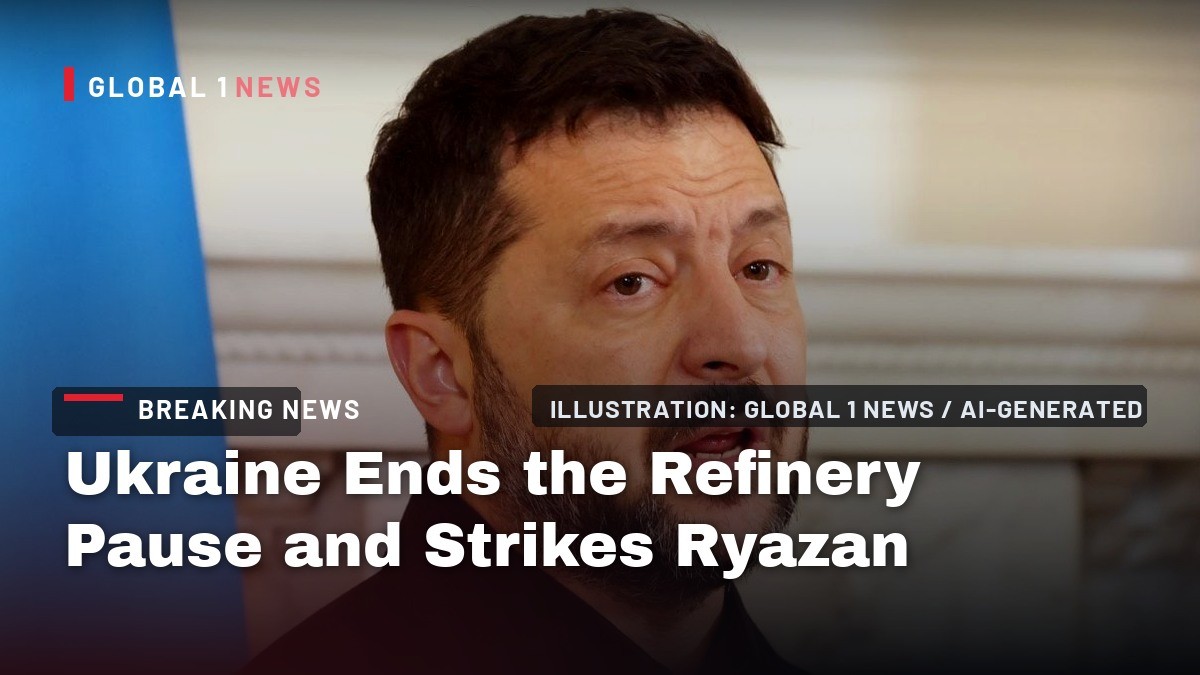
Volodymyr Zelenskyy told the Financial Times in London that the pause was over, and by dawn the Ryazan oil refinery was burning. Russian drones spent more than ten hours grinding across central Ukraine in the same night. The Ukrainian president's message to Washington was a single line: "The block is out. We're done."
Ukraine Ends the Refinery Pause and Strikes Ryazan as Washington Looks Away
Kyiv, Ukraine — The strike landed roughly 300 km (180 miles) southeast of Moscow, and it arrived in the same week that Zelenskyy is due in Brussels to ask European leaders for money and air defence. Nineteen days before the United States votes in midterm elections, the country asking Ukraine to stand down is the country Ukraine believes it can no longer count on.
The Block Is Out
Zelenskyy told the Financial Times in London that Ukraine will resume strikes on Russian oil refineries, ending a pause he had put in place after US President Donald Trump called on Sunday 11 October for an "energy ceasefire." The line the FT carried was blunt: "The block [on attacking refineries] is out. We're done." The FT describes the halt as a three-day pause; Zelenskyy said on 13 October that Ukraine had held off for two days. He framed the pause as a response to Trump's proposal, and he made clear that Moscow decided the outcome: Russia kept hitting Ukrainian energy infrastructure, and more than 100 people were killed in Ukraine in the past week, a figure he gave to the FT. The FT wrote that the deterioration in relations between Kyiv and Washington marks the most serious crisis between Ukraine and its most important security partner since the Oval Office confrontation in February 2025.
Ryazan Burns Before Dawn
Ukrainian drones attacked the Ryazan oil refinery early Thursday and a fire broke out, hours after Zelenskyy's interview was published. Reuters described it as the first Ukrainian attack on a Russian energy facility since Trump announced the ceasefire on Sunday — a truce neither side confirmed. The refinery is owned by Russian oil major Rosneft and feeds Moscow with fuel; it accounts for almost 5% of Russia's total oil refining throughput, and has been hit by drones several times in recent months. Russia's Defence Ministry and Ryazan Gov. Pavel Malkov attributed the attack to Ukrainian drones. A senior Ukrainian official confirmed to the Associated Press that Ukraine hit the refinery, speaking on condition of anonymity because he was not authorised to speak publicly. Malkov said a depot and cars were damaged at another industrial site in Ryazan, that material damage was being assessed, and that preliminary information indicated no one had been injured. School classes and kindergartens were cancelled for the day in the city's Oktyabrsky District and part of Sovetsky District. Russia's Defence Ministry said air defences destroyed 166 Ukrainian fixed-wing drones overnight, across 13 regions from Belgorod and Bryansk to Rostov and Krasnodar, as well as Crimea.
Ten Hours Over Kirovohrad
Russian drones attacked Ukraine's Kirovohrad region in central Ukraine for more than 10 hours overnight, killing three people and injuring six, with strikes recorded at 25 locations, according to the State Emergency Service of Ukraine. In Kropyvnytskyi, the regional centre, drones struck enterprise premises, logistics centres and warehouses, and residential buildings and surrounding areas; fires broke out. In Kropyvnytskyi and Novoukrainka districts, transport infrastructure came under attack, and residential buildings, yards and cars were damaged. Zelenskyy said on X that Russia launched more than 850 drones at Ukraine between midnight and Thursday morning, that the attacks hit 15 Ukrainian regions, and that air defences stopped 536 Russian drones with impacts recorded at 31 locations. Two nights earlier, an oil depot in Lutsk, a gas station and enterprises in the Khmelnytskyi region and a residential area in Rivne were struck.
The Starlink Switch
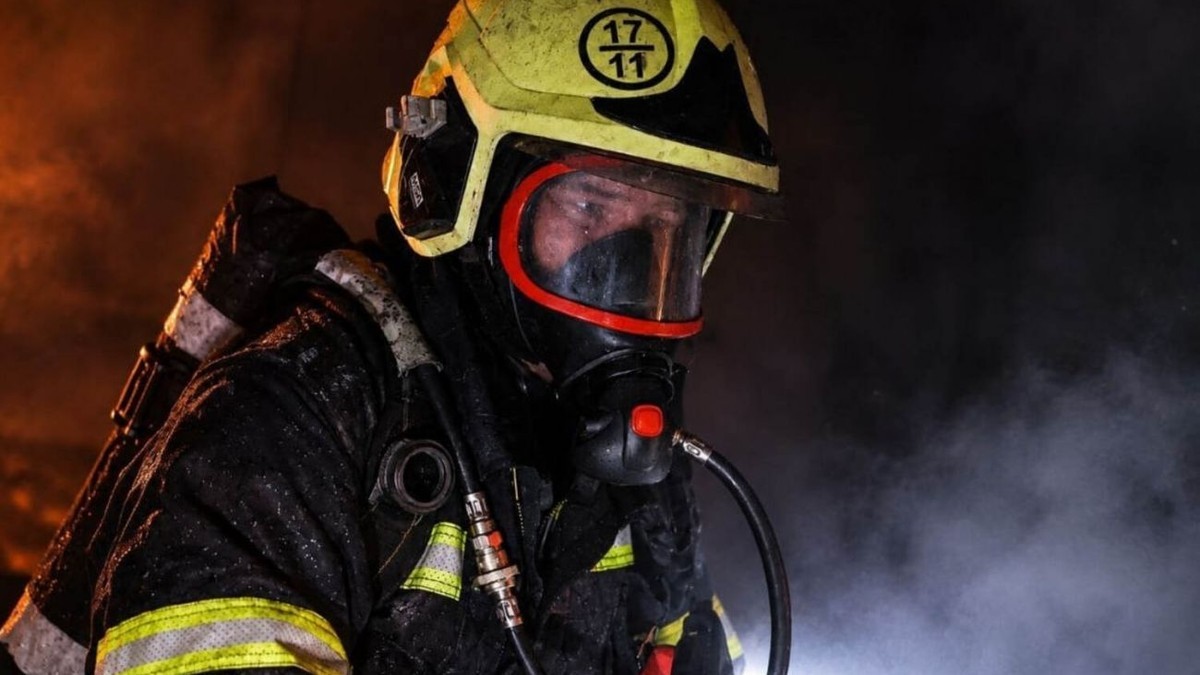
Zelenskyy said that while Ukraine observed the pause, its forces were denied the usual Western intelligence on incoming Russian ballistic missiles, and limits were placed on Ukraine's use of Starlink terminals — the satellite system on which Ukrainian units and interceptor crews depend. Ukraine's former defence minister, Mykhailo Fedorov, said on X that "Starlink connectivity at speeds of up to 160 km/h is being restored," but that "removing Starshield's speed limit entirely is now critical for Ukraine's defense." Bloomberg reported that Starshield operations had been restored and that Kyiv's Defence Ministry is still talking to Washington about why service was restricted, citing a person familiar with the matter who was not identified. The White House denies that intelligence sharing has stopped. Zelenskyy told the British journalist Piers Morgan, asked whether the disruption was deliberate: "I am sure they knew what they did, absolutely. I think he is not right. It's a big mistake."
Musk Tells Zelenskyy to Go
Elon Musk, answering on X, wrote that "Starshield systems are owned and controlled by the US government," and said decisions about their use are made by the US military and, ultimately, by Trump. Musk also posted calling on Zelenskyy to step down. His call echoed Trump's own suggestion on Saturday 10 October that Zelenskyy should consider stepping aside. In the same thread Musk wrote: "And so the slaughter continues." Zelenskyy told Morgan, in an interview on the British journalist's YouTube show broadcast on Wednesday 14 October, that he felt betrayed by Trump's deal with Putin, the ceasefire announcement and the restrictions on the satellite service. Asked directly whether he felt betrayed by the American president, Zelenskyy answered: "Really, yes, between us." He added that Ukraine "has to survive, and we count on our real partners, strategic partners, the United States and President Trump."
The Diesel Deal
Trump announced last week a deal with Russian President Vladimir Putin to allow Russian diesel sales to the United States and global markets, aimed at cutting fuel prices ahead of the 3 November midterm elections — now 19 days away. Washington has pressed Kyiv to stop striking Russian refineries, arguing that a moratorium, paired with the diesel purchase, is what brings American pump prices down. No matching demand has been made of Putin to stop bombing Ukraine. Zelenskyy told Morgan that the American behaviour "was really strange and what was not like between partners but that they switch off Starlink, so some actually crazy steps between us." He said: "It's a pity that we are losing, we are losing a strong partner, so this is my opinion." And: "It's painful when President Trump chooses one side, not our side. But we are OK that he's in the middle."
Zelenskyy's Price for Stopping
Zelenskyy said he would agree to halt refinery strikes to repair relations with the White House only if the United States supplied more American-made Patriot interceptors. He argued that stopping would simply invite further US-Russia deals. "The question will be when will the next deal be? Maybe it will be gas. Definitely it will be gas," he told the FT. He added: "We will find a way out . . . but it's better not to give him [Putin] the new life or the new will to fight." Zelenskyy said someone is pushing Trump into a stance that is "not the right side of history." Asked to explain the relationship between the two presidents, he said Trump has an instinctive affinity for autocrats: "He speaks about it openly and loudly that he loves such people and he respects such people. Because for him people who can be leaders 20 years, 30 years, 40 years, it means they can be very strong."
Moscow's Answer
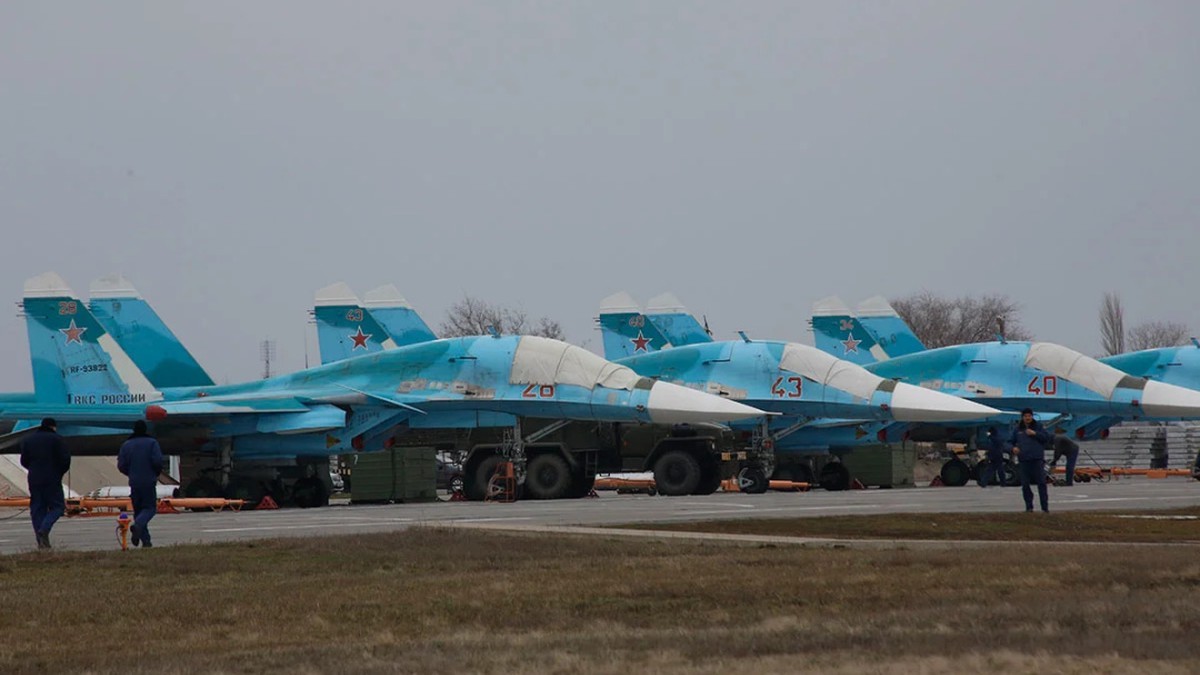
Kremlin spokesman Dmitry Peskov said on Thursday that Ukraine never stopped its strikes on the refineries that have hurt Russia — a claim that cannot be independently verified, like much of what both capitals say about the war. Ukraine's presidential office denied Moscow's separate claim that Kyiv struck refineries in two Russian regions on 14 October. Russian Foreign Minister Sergey Lavrov went further, labelling Ukraine's strikes on oil facilities a "direct and crude challenge to President Trump." Ukraine's navy said it struck the Borisoglebsk military airfield in Russia's Voronezh region overnight with the Neptune coastal missile system, destroying six Su-34M bombers and the equipment that supports them; the General Staff confirmed all six were damaged to varying degrees, with explosions and a fire recorded on the airfield. The airfield lies about 370 km (230 miles) from the front line. "Russia is dragging out the war, so our long-range operations will continue," Zelenskyy said. Russia's Defence Ministry said its forces hit two vessels carrying military cargo.
Europe Closes Ranks
The European Council meets in Brussels on 15-16 October, with leaders focused on the economy, competitiveness, energy prices, the EU's long-term budget for 2028-2034, continued support for Ukraine, Russia-linked hybrid attacks, migration, enlargement and the Middle East. President António Costa's invitation letter is unambiguous about the priority: "Ukraine remains a key priority for the European Union. We will reaffirm our continued support to Ukraine in the face of Russia's war of aggression. Considering Russia's escalating attacks on critical infrastructure, it will be important to hear from President Zelenskyy on the country's operational needs ahead of the coming winter." Zelenskyy is due to join leaders in Brussels on Friday 16 October, travelling there after London, where UK Prime Minister Andy Burnham welcomed him at 10 Downing Street on 14 October and pledged more help. EU foreign policy chief Kaja Kallas said: "Squeezing Ukraine is not the right approach, and that is why Europe is standing beside Ukraine."
The Cost of the Rupture
The rebuke from Washington's European allies was not confined to Brussels. German Vice Chancellor Lars Klingbeil said: "Pretending that Russia is returning as a normal member of the G20 and sitting back at the table — that won't happen with me or the other Europeans." Italian Prime Minister Giorgia Meloni told the Italian Senate on Wednesday that "no one will convince me that the surrender of those who defend their freedom can be called peace." Dutch Prime Minister Rob Jetten called Trump's diesel deal with Putin "ridiculous" and a "very bad decision" that will not lower energy prices. The money is the harder problem: Ukraine's 2027 funding needs go to the summit table, with Hungary and Slovakia opposing additional support, and a plan is being pursued to add to the summit's joint statement an expression of regret over the US easing of sanctions on Russian diesel. Ukraine's government bonds underperformed all emerging- and frontier-market peers this week.
By Jessica Ali, Staff Writer
This article was produced with AI-assisted research and editorial support. Sources: Financial Times, Associated Press, Ukrainska Pravda, Bloomberg, Reuters, TASS, RBC-Ukraine, DW, the European Council and AFP.
What's Your Reaction?
 Like
0
Like
0
 Dislike
0
Dislike
0
 Love
0
Love
0
 Funny
0
Funny
0
 Wow
0
Wow
0
 Sad
0
Sad
0
 Angry
0
Angry
0

Editor-in-Chief at Global1.News. Atlanta-based journalist who cuts through the BS and tells it like it is. Lead anchor, host, and the voice you hear when the spin stops and the truth starts.













Comments (0)