
Salmonella Outbreak at Mexico City's General Hospital Sickens 135 Doctors
Mexico City's General Hospital, one of the nation's most revered public medical institutions, is facing a health crisis of its own making this week.
Salmonella Outbreak at Mexico City's General Hospital Sickens 135 Doctors
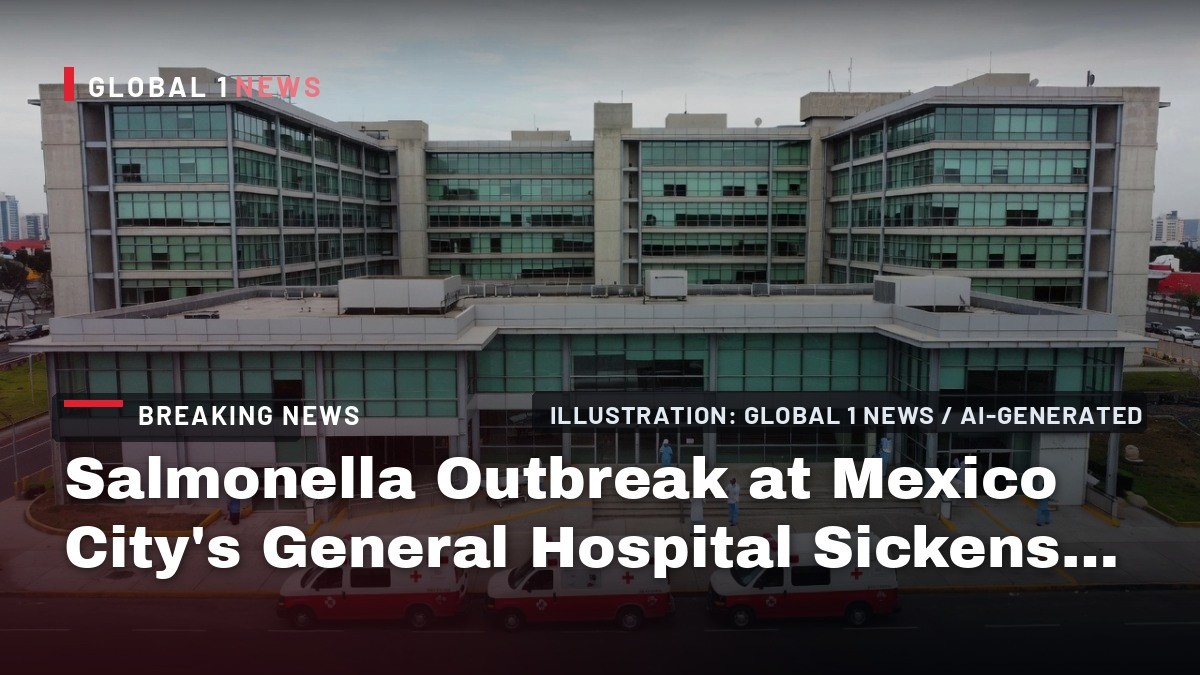
Mexico City's General Hospital, one of the nation's most revered public medical institutions, is facing a health crisis of its own making this week. A salmonella outbreak traced to an outsourced hospital cafeteria has sickened 135 doctors, leaving 41 hospitalized and 15 in intensive care, according to reports from Reforma, El País, and El Financiero.
The outbreak struck at the Dr. Eduardo Liceaga General Hospital of Mexico, a cornerstone of the country's public health system under the Secretaría de Salud. The affected physicians, mostly resident doctors who form the backbone of the hospital's daily operations, began showing symptoms late last month—abdominal pain, diarrhea, low-grade fever, and vomiting. Yet according to a source cited by the newspaper Reforma, authorities initially ignored their complaints.
As more and more young doctors reported to work feeling ill, the pattern became impossible to dismiss. An investigation was launched, and the source was eventually traced to a restaurant within the hospital run by Restaurantes Grogi, a commercial food service contractor. Most of the hospital's resident physicians regularly ate their meals there, making them the primary victims of what appears to have been contaminated food.
Tags: salmonella outbreak, Hospital General de México, doctors sick, food poisoning, Restaurantes Grogi, David Kershenobich, Mexico health, hospital cafeteria, E. coli, resident doctors
A Delayed Response That Worsened Conditions
The timeline of the response has drawn sharp criticism. The hospital's dining room was finally shut down on Monday, August 31, after bacterial infection and E. coli coinfection were confirmed. But by then, the damage had been done. Reforma reported that because of the delayed care, the conditions of several of the doctors worsened significantly, with some developing kidney failure and hypovolemic shock—a dangerous drop in blood volume that can lead to organ failure.
For the resident doctors who staff Mexico's public hospitals, the irony is painful. These are the physicians who work grueling 24-hour shifts, who sacrifice their own health to care for others, who are the first line of defense in emergency rooms across the country. To fall ill from the very food provided to them inside their own hospital—and to have their initial complaints dismissed—has left many in the medical community feeling betrayed.
Hospital administrators now face accusations of disregarding the early warning signs. Had the dining service been suspended at the first reports of illness, sources suggest, the severity of the outbreak might have been contained. Instead, the hospital's emergency room was soon overflowing, forcing administrators to make difficult decisions about where to care for their own staff.
From Family Shelter to Makeshift Ward
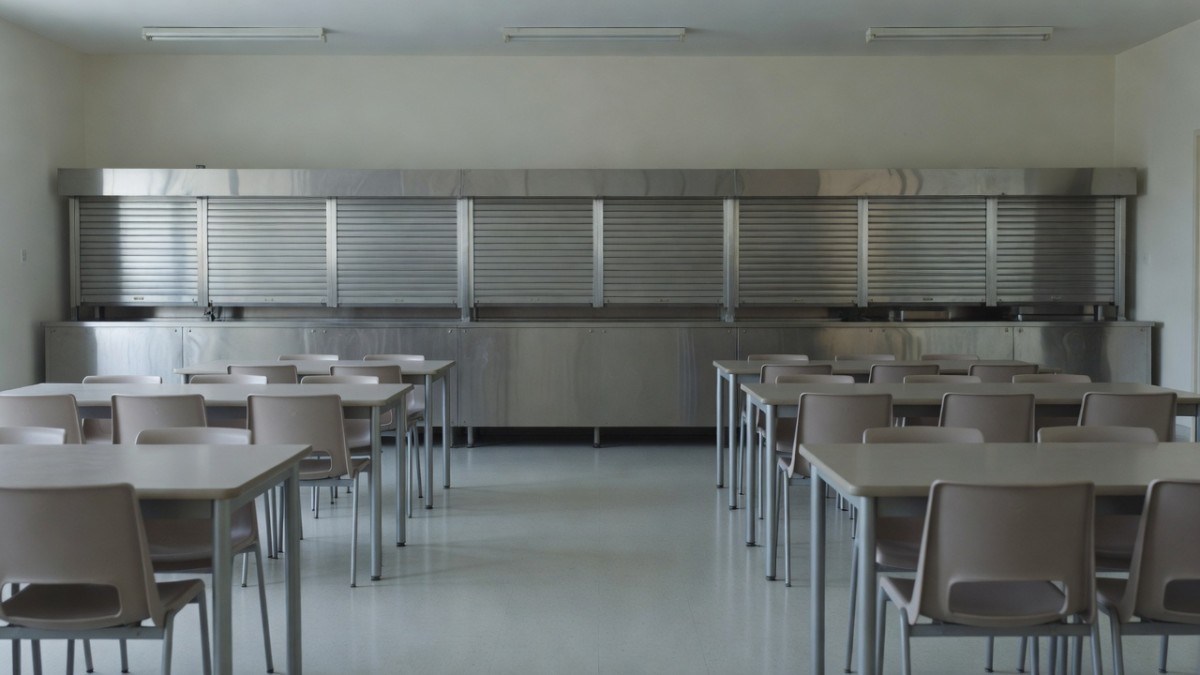
The scale of the crisis became evident when hospital officials made an unusual move: they converted a shelter that previously housed family members of long-term patients into a ward for the sick doctors. The area had been closed since the COVID-19 pandemic, but with the emergency room overflowing, it was reopened to accommodate the influx of ailing physicians.
This detail speaks volumes about the state of Mexico's public hospital system. The Hospital General de México "Dr. Eduardo Liceaga" is one of the country's oldest and most important medical institutions, a place where generations of Mexican doctors have trained and where countless patients have received care regardless of their ability to pay. Yet even this storied institution operates with limited resources, and a sudden surge of 135 sick staff members can strain its capacity to the breaking point.
Officials cited by El País said all those affected had received medical attention and were in stable condition, although 41 remained hospitalized as of Thursday, September 3. The conversion of the family shelter into a ward for doctors is a testament to both the severity of the outbreak and the resourcefulness of hospital staff under pressure.
Health Minister Responds to ICU Reports
Mexico's Health Minister, Dr. David Kershenobich, addressed the outbreak on Friday, September 4, seeking to downplay reports that doctors were admitted to intensive care. In his remarks, he suggested that the ICU admissions were "not related to the severity of their symptoms, rather it was a matter of making available any space we had to receive the staff and hydrate them."
His comments have been met with a mix of skepticism and understanding. On one hand, hospital administrators know that ICU beds are not just for the most critical patients—they are also used for observation and intensive hydration when regular wards are full. On the other hand, the fact that 15 doctors required that level of care suggests a serious outbreak that was not addressed as quickly as it should have been.
Kershenobich, who heads the Secretaría de Salud under President Claudia Sheinbaum's administration, faces the delicate task of reassuring the public while acknowledging the gravity of what occurred. The hospital has two cafeterias: one for health care staff and workers, and another for resident physicians, which is outsourced. Early analysis suggests that contaminated eggs caused the infection, though the investigation is ongoing.

Food Safety Norms and Outsourced Services Under Scrutiny
This outbreak has reignited concerns about food safety in Mexican hospitals, particularly when food services are outsourced to private contractors. The catering contracts require companies like Restaurantes Grogi to perform routine bacteriological testing on all prepared food, yet clearly those safeguards failed in this instance.
Mexican health regulations, specifically NOM-251-SSA1-2009, establish strict guidelines for food handling in establishments across the country. These norms cover everything from personal hygiene of food handlers to proper storage temperatures and sanitation procedures. The question now being asked by public health experts is whether these regulations are being adequately enforced in hospital settings, where vulnerable populations—including patients with compromised immune systems—are most at risk.
Once the source of the outbreak was confirmed, hospital administrators ordered the suspension of the outsourced dining service. Management is now actively searching for and monitoring those potentially exposed to the contaminated food, working to ensure that no additional cases emerge. But for the doctors who fell ill, the damage is already done—both to their health and to their trust in the institution that employs them.
The Human Cost for Mexico's Resident Doctors
Behind the statistics lie real people with real families. These are young doctors, many in the early years of their careers, who chose to serve in the public health system despite its challenges. They work long shifts, often sleep at the hospital, and depend on the cafeteria for their meals because they simply do not have time to leave the premises. For them, the hospital is not just a workplace—it is a second home.
The outbreak has also affected the hospital's ability to function. When dozens of resident physicians are sidelined by illness, the remaining staff must pick up the slack, working even longer hours in an already demanding environment. Patients at the Hospital General de México, many of whom come from low-income families who rely on the public health system, may experience longer wait times and reduced access to care as the hospital copes with the crisis.
For the families of the sick doctors, the past week has been a time of anxiety and prayer. Many of these physicians are the first in their families to pursue a medical career, their education funded by years of sacrifice from parents who dreamed of a better future for their children. To see them hospitalized—some in intensive care—has been deeply distressing for their loved ones.
Lessons for Mexico's Public Health System
As the investigation continues, this outbreak serves as a stark reminder of the vulnerabilities within Mexico's public health infrastructure. The Hospital General de México "Dr. Eduardo Liceaga" is not an anomaly; it is one of the country's most respected institutions. If food safety failures can happen here, they can happen anywhere.
Public health experts are calling for a comprehensive review of food service contracts across the nation's hospitals, with particular attention to bacteriological testing protocols and response times when illnesses are reported. The initial dismissal of the doctors' complaints is especially troubling, as it suggests a culture where frontline workers' concerns may not always be taken seriously by administrators.
There is also a broader conversation to be had about the outsourcing of essential hospital services. While privatization can bring efficiency and cost savings, it also introduces layers of accountability that can delay responses in times of crisis. When a hospital's own doctors fall ill from food served within its walls, the lines of responsibility become blurred—and patients and staff alike suffer the consequences.
As of Thursday, 41 doctors remained hospitalized, with hospital officials expressing cautious optimism about their recovery. The dining room remains closed, and Restaurantes Grogi's contract is under review. For the doctors who fell ill, for their families, and for the patients who depend on Mexico's public hospitals, the hope is that this painful episode will lead to meaningful change—so that those who dedicate their lives to healing others are never again put at risk by the very institutions meant to protect them.
This article was produced with AI-assisted research and editorial support. Sources: Mexico News Daily, Reforma, El País, El Financiero, UPI.
By Rosa Martinez, Staff Writer
What's Your Reaction?
 Like
0
Like
0
 Dislike
0
Dislike
0
 Love
0
Love
0
 Funny
0
Funny
0
 Wow
0
Wow
0
 Sad
0
Sad
0
 Angry
0
Angry
0

Latin America/Andes Correspondent at Global1.News. Based in Bogota, covering politics, environment, energy, and social movements across the Andean region. Passionate about environmental journalism and communities protecting their land.















Comments (0)