
Sainsbury's to Sell Argos in £120m Deal
Sainsbury's has agreed to offload its entire Argos operation to a newly formed retail investment vehicle in a transaction valued at no less than £120 million.
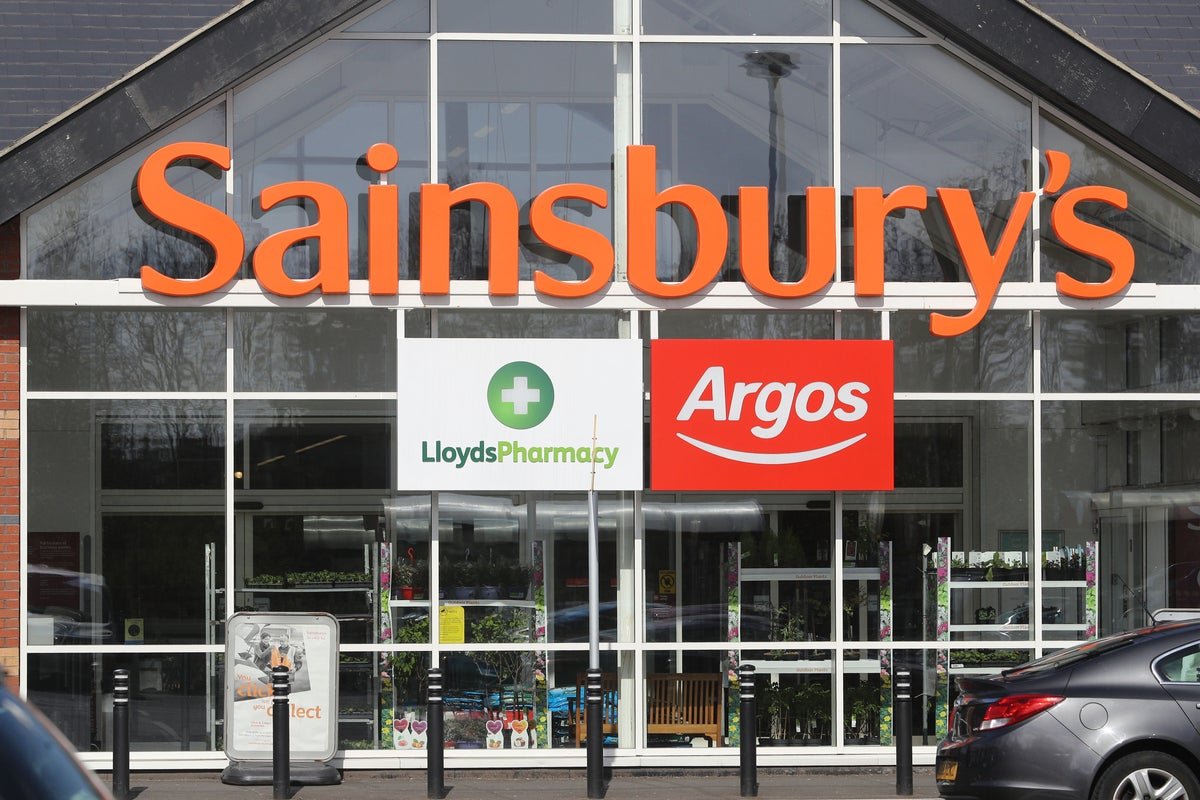
Sainsbury's has agreed to offload its entire Argos operation to a newly formed retail investment vehicle in a transaction valued at no less than £120 million. The move marks the latest attempt by Britain's second-largest supermarket group to streamline its portfolio after years of mixed results from the catalogue chain it purchased in 2016. Swift Partners will take control of the standalone Argos outlets, the in-store concessions, the Daventry distribution centre and sourcing offices in Shanghai and Hong Kong.
Terms of the Proposed Transaction
Sainsbury's confirmed it will receive cash proceeds of at least £120 million, with £70 million payable on completion. The buyer will acquire Argos standalone stores together with those located inside Sainsbury's supermarkets under a long-term agreement. The logistics network, pet insurance policies and product warranty business also form part of the package. Completion remains subject to regulatory clearances and is expected in February next year.
Identity and Backing of Swift Partners
Swift Partners is a newly established entity led by former Co-operative Group chief executive Richard Pennycook and former Morrisons chief operating officer Trevor Strain. The venture receives financial support from Matt Truman and his retail-focused investment firm True Capital. The consortium has positioned itself as a specialist operator capable of returning focused management to the Argos brand after its integration within a larger supermarket group.
Argos occupies a distinctive position in British retail culture, where generations grew up with the iconic paper catalogue, the famous blue pens and the numbered grid of products, making the chain a familiar fixture of British high streets and retail parks.
What the Deal Means for Shoppers and Workers
Argos began life in 1973 as a catalogue retailer whose click-and-collect model allowed customers to select goods from printed pages and collect them from local outlets, a format that later evolved into widespread in-store and online convenience. The change of ownership now places this established network under new management, raising questions about how the brand's everyday role in supplying affordable household goods will evolve for families managing tight budgets. Store staff will move across with the business, yet the absence of any announced closures leaves open the possibility of future adjustments once Swift Partners assumes control. Shoppers who have long relied on Argos for accessible pricing on everyday items may notice shifts in product ranges or service emphasis as the new owners seek to sharpen the proposition away from the supermarket context.
Recent Trading Performance at Sainsbury's
Last month Sainsbury's reported total retail sales, excluding fuel, rose 2.7 per cent to £9.15 billion in the 16 weeks to 20 June. Grocery sales advanced 3.6 per cent to support overall brand growth of 3.1 per cent. General merchandise and clothing, including the Tu range, declined 3.7 per cent, while Argos sales fell 0.5 per cent amid subdued consumer spending on higher-value items. The group cited its Aldi price-match scheme and Nectar discounts as drivers of volume growth despite broader economic pressures linked to the Middle East conflict.
Strategic Context and Historical Background
Sainsbury's acquired Argos and Habitat for approximately £1.4 billion in a deal completed in September 2016. Analysts at the time questioned whether the catalogue retailer's model would integrate fully with supermarket operations. Subsequent disposals, including the Argos credit-card portfolio sold for £720 million, signalled an ongoing reassessment of the original rationale. The present transaction continues that pattern of portfolio adjustment on the High Street, where traditional retailers face sustained competition from online platforms and discounters.
The 2016 acquisition struggled to deliver the expected synergies because Argos retained a distinct brand identity and customer base that sat uneasily alongside Sainsbury's core grocery focus, while management attention remained divided between food operations and the demands of general merchandise. Margins in the non-food categories proved more volatile than anticipated, and the separate logistics and sourcing requirements added complexity rather than efficiency. Over time these factors prompted a series of partial exits that gradually unwound the original rationale.
The £120 million price tag now attached to the disposal represents a fraction of the sum Sainsbury's paid in 2016, underlining how far the business has been devalued in the intervening years as trading conditions deteriorated and integration costs mounted. This arithmetic reflects both the narrower scope of assets being transferred and the market's reassessment of a catalogue model facing structural headwinds.

Chief Executive Remarks and Market Outlook
Chief executive Simon Roberts stated: "Customers are looking for value now more than ever. We are consistently delivering outstanding quality at great value, so more people are choosing Sainsbury's for their big weekly shop. This has driven an encouraging start to the year with continued volume growth and market outperformance. With the World Cup in full swing and an exciting summer of sport ahead, I want to say a huge thank you to all our Sainsbury's and Argos colleagues and our farmers and suppliers for showing up so well for our customers every day." The remarks underscore management's emphasis on core grocery strength while preparing for the separation of the general-merchandise business.
Next Steps and Regulatory Process
Both parties must now navigate competition scrutiny and finalise transitional service arrangements before the February target date. Sainsbury's has indicated it will retain its focus on grocery expansion and value initiatives once the Argos disposal completes. Swift Partners has yet to outline detailed operational plans, though its leadership team's experience at Co-operative Group and Morrisons suggests an emphasis on supply-chain efficiency and customer proposition refinement. The outcome will be watched closely by Westminster policymakers concerned with High Street vitality and employment stability across logistics and retail sectors.
The Competition and Markets Authority will examine the transaction for any implications on local retail competition, particularly where Argos concessions sit inside Sainsbury's supermarkets, while transitional service agreements must be negotiated to cover shared systems, supply arrangements and customer support during the handover period. These steps are expected to determine the precise timing of completion and the degree of operational continuity in the early months under new ownership.
The deal fits the recent pattern of major retailers reshaping their portfolios, with supermarket groups shedding non-core businesses and focusing on food as margins tighten, while specialist operators take on brands that no longer fit.
The Wider High Street Pressures
Traditional retailers continue to confront intense competition from online platforms that have captured growing shares of general merchandise spending and from discounters that have expanded aggressively into non-food categories. The cost-of-living squeeze has further curtailed discretionary purchases, a pressure already visible in the subdued consumer spending noted by Sainsbury's and compounded by the economic uncertainty stemming from the Middle East conflict. Business rates remain a persistent burden for physical stores, contributing to concerns in Westminster about the long-term vitality of the High Street and the employment it supports in both retail and logistics. Against this backdrop, the separation of Argos represents one more adjustment by a major operator seeking to concentrate resources on its most resilient grocery operations.
The deal still needs regulatory clearance and is not expected to complete until February next year, so for now the Argos counter remains a familiar sight inside Sainsbury's stores and on the high street. Attention will now turn to how the new owners shape the brand once the handover is finalised.
By Erica Thornton, Staff Writer
This article was produced with AI-assisted research and editorial support. Reporting is based on sources cited in the article.
What's Your Reaction?
 Like
0
Like
0
 Dislike
0
Dislike
0
 Love
0
Love
0
 Funny
0
Funny
0
 Wow
0
Wow
0
 Sad
0
Sad
0
 Angry
0
Angry
0

US Politics and Policy Correspondent at Global1.News. Based in Washington DC, covering American politics, policy, elections, and the courts. Knows how the system works and tells you what it actually means.















Comments (0)