
SA summons US ambassador amid escalating Trump tensions
South Africa’s Department of International Relations and Cooperation (DIRCO) summoned U.S. The latest flare‑up reflects a broader clash over land policy, transformation measures, rural crime and the “Kill the Boer” chant that has become a flashpoint in South African politics.
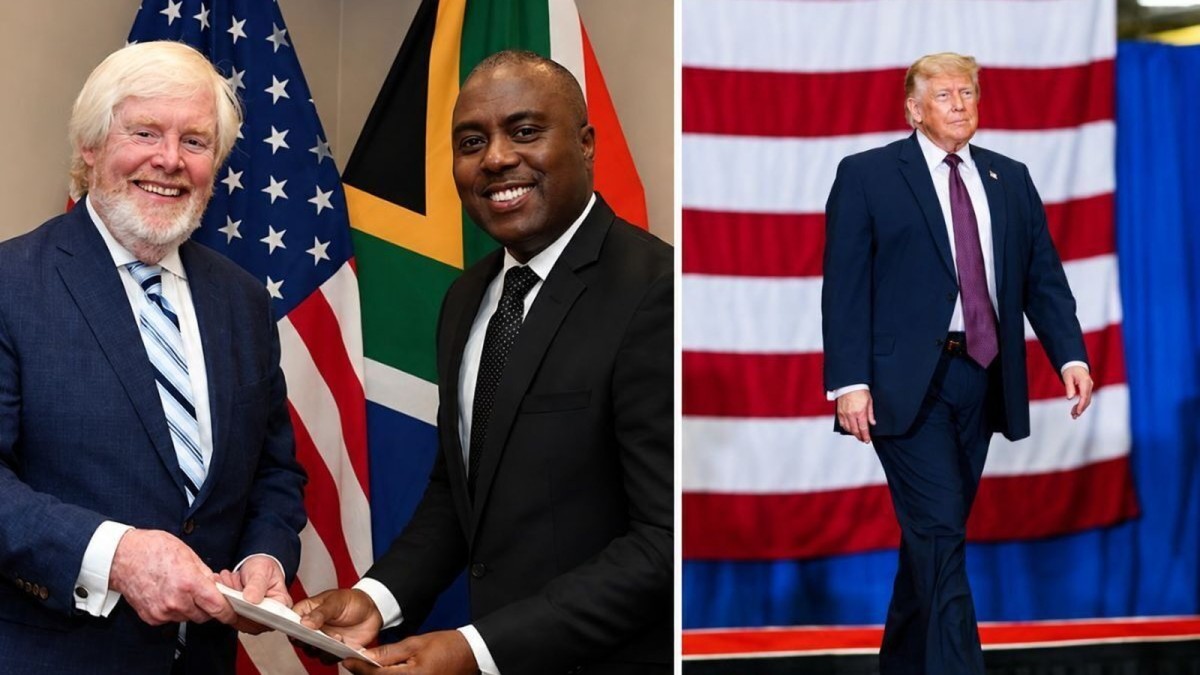
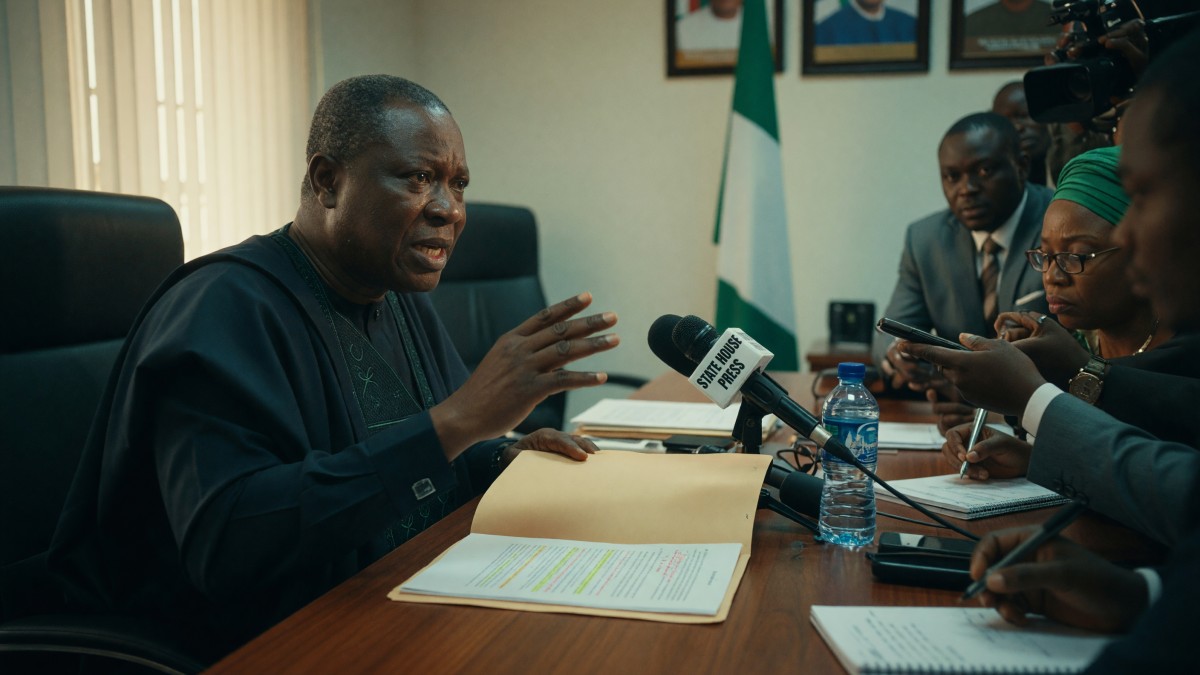
South Africa’s Department of International Relations and Cooperation (DIRCO) summoned U.S. Ambassador Leo Brent Bozell III on Tuesday, 29 September, in a sharp diplomatic rebuke that underscores the escalating tension between Pretoria and Washington under President Donald Trump’s administration. The meeting, called to discuss the bilateral relationship, follows a series of public statements by Bozell in which he criticised the South African government’s handling of five demands put forward by the United States. The latest flare‑up reflects a broader clash over land policy, transformation measures, rural crime and the “Kill the Boer” chant that has become a flashpoint in South African politics.
Background to the five U.S. demands
According to the ambassador’s recent op‑ed titled “The Cost of Doing Nothing,” Washington has framed its engagement with South Africa around five specific demands. Bozell said the United States initially asked Pretoria not to interfere with a programme offering refugee status to Afrikaners and raised concerns over uncompensated land expropriation. He claimed those two issues were “largely addressed,” leaving three core demands still at the centre of the dispute.
The remaining demands, as outlined by Bozell, call for President Cyril Ramaphosa and senior officials to publicly condemn the “Kill the Boer” chant, to prioritise rural crime, and to expand alternatives to B‑BBEE ownership requirements in key sectors such as telecommunications and mining. The ambassador warned that failure to meet these expectations could trigger further diplomatic repercussions.
The “Kill the Boer” chant and diplomatic fallout
The chant, which has sparked heated debate across South Africa, has now become a diplomatic issue. Bozell’s earlier criticism of South African court rulings on the chant led DIRCO to summon him in March, and the latest summons follows his renewed insistence that Ramaphosa publicly denounce the slogan. Pretoria disputes Washington’s assessment, arguing that the government has engaged extensively with the United States and is working to address outstanding concerns, as noted by Ramaphosa’s international policy adviser Alistair Ruiters.
Bozell’s demand for a condemnation reflects a broader U.S. concern about incitement against minority groups, a theme that also underpins the new visa restrictions announced by Secretary of State Marco Rubio on 15 September. Those restrictions target unnamed South Africans deemed responsible for or complicit in policies involving land expropriation, racial discrimination or incitement, signalling a hardening U.S. stance.
Rural crime and the push for sectoral reform
Rural crime, a persistent challenge for South African communities, sits alongside the chant issue as a priority for Washington. The Trump administration’s demand to “prioritise rural crime” aligns with its broader narrative of law and order, yet Pretoria maintains that it has already taken steps to address safety concerns in the countryside. The ambassador’s call for expanded alternatives to B‑BBEE ownership requirements in telecommunications and mining adds another layer of complexity, as South Africa seeks to balance transformation goals with foreign investment interests.
While the United States regards these reforms as essential for a fair and open market, South Africa argues that its B‑BBEE framework is a cornerstone of post‑apartheid economic redress. The clash therefore reflects deeper tensions over how transformation policies are interpreted and implemented in a globalised economy.
Visa restrictions and the threat of further sanctions
Rubio’s visa restrictions, announced on 15 September, represent the first concrete punitive measure in response to the three outstanding demands. Bozell described the restrictions as Washington’s “first response” and warned they might not be the last. The ambassador’s language suggests a willingness to apply additional pressure should Pretoria fail to meet the specified deadline for answers.
The restrictions target unnamed individuals, a tactic that raises concerns about due process and the potential impact on South African professionals, students and businesspeople abroad. The lack of clarity around who is affected adds an element of uncertainty that could reverberate through diplomatic and economic channels.
South Africa’s diplomatic response and next steps
DIRCO’s summons of Bozell signals Pretoria’s intent to push back against what it sees as undue interference. By calling the ambassador in, the department aimed to “discuss relations between the two countries” and to reaffirm South Africa’s position that it has been engaging constructively with Washington. Alistair Ruiters has previously emphasised that South Africa is “working to address the outstanding issues,” suggesting that diplomatic channels remain open despite the heightened rhetoric.
The next phase will likely involve a formal response from the South African government outlining how it intends to meet—or contest—the three remaining U.S. demands. The ball, as a U.S. official put it, is now “squarely in the Government of South Africa’s court.” How Pretoria frames its reply will shape the trajectory of bilateral ties in the coming months.
Implications for South African sport and society
While the diplomatic row centres on political and economic issues, its ripple effects are felt across South African society, including the sporting arena. International sporting bodies and sponsors watch diplomatic stability closely, as sanctions or visa restrictions can impact the movement of athletes, coaches and officials. A strained relationship with the United States could complicate upcoming tours, training camps and sponsorship deals that rely on smooth travel and cross‑border cooperation.
Moreover, the “Kill the Boer” chant debate touches on the broader conversation about transformation in sport. Just as rugby, cricket and football grapple with representation and equity, the diplomatic pressure to condemn the chant mirrors calls for inclusive language and respect on the field. The outcome of this diplomatic episode may therefore influence how South African sport navigates the balance between heritage, transformation and international perception.
Looking ahead: the stakes for Pretoria and Washington
The summons of Ambassador Bozell marks a pivotal moment in the Pretoria‑Washington relationship. With the United States signalling a readiness to impose further visa restrictions and possibly other measures, South Africa faces a choice: accede to the three outstanding demands, negotiate a compromise, or risk deeper diplomatic isolation. The broader context of land reform, transformation and rural security will continue to shape the dialogue.
For South Africans, the episode underscores how foreign policy decisions intersect with domestic priorities—from land expropriation debates to the fight against rural crime and the quest for a more inclusive national identity. As the government crafts its response, the world will be watching how Pretoria balances sovereignty with the pressures of a powerful ally, and how that balance will reverberate through the nation’s sport, economy and social fabric.
This article was produced with AI-assisted research and editorial support. Reporting is based on the source material cited below. Sources: The South African; thesouthafrican.com; Global1.News (01 October 2026).
By Dante Williams, Staff Writer
What's Your Reaction?
 Like
0
Like
0
 Dislike
0
Dislike
0
 Love
0
Love
0
 Funny
0
Funny
0
 Wow
0
Wow
0
 Sad
0
Sad
0
 Angry
0
Angry
0
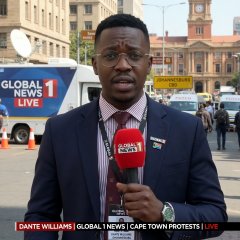
Breaking News and Investigations Correspondent at Global1.News. Based in London, covering global breaking news, security, and investigative stories. Known for digging deeper and connecting the dots across continents.








Comments (0)