
Philippine Inflation Slows to 6.8% in May 2026
Inflation Eases Slightly in May but Still Weighs Heavily on Daily Life The Philippine Statistics Authority reported that inflation slowed to 6.8 percent in May from 7.2 percent in April. National Statistician Claire Dennis Mapa explained that the main reason was a slower rise in transport prices. Even with this modest relief, the rate stayed well above the government target of
Inflation Eases Slightly in May but Still Weighs Heavily on Daily Life
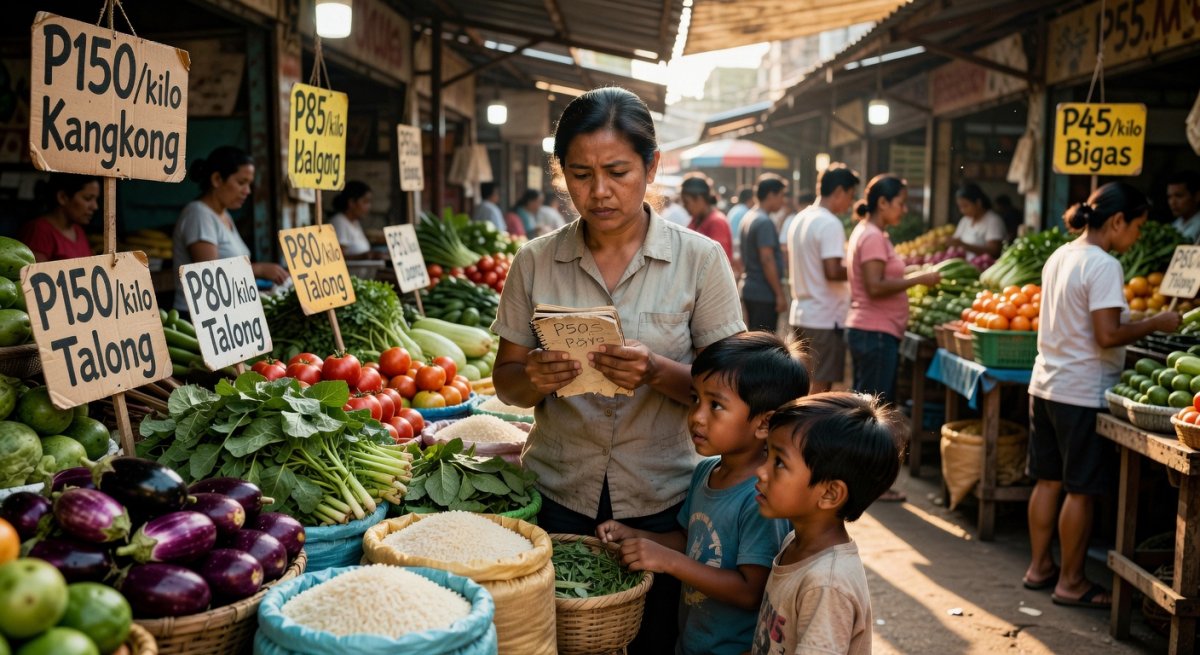
The Philippine Statistics Authority reported that inflation slowed to 6.8 percent in May from 7.2 percent in April. National Statistician Claire Dennis Mapa explained that the main reason was a slower rise in transport prices. Even with this modest relief, the rate stayed well above the government target of 2 to 4 percent. Ordinary Filipino families continue to feel the pinch at every turn, from the sari-sari store to the jeepney stop.
Transport Relief Brings Hope for Jeepney Drivers and Commuters
Transport inflation dropped to 16.2 percent in May from 21.4 percent in April after several fuel price rollbacks. Mapa noted that this sector accounted for more than 70 percent of the overall slowdown. For jeepney drivers in Manila and provincial towns, even a small dip in diesel costs can mean the difference between covering their daily boundary and going home short. Commuters riding tricycles or buses see fares that remain high, stretching already tight household budgets for work and school trips.
Many kapitbahay in barangays across the country share stories of adjusting routes or walking longer distances to save a few pesos. The easing in transport costs offers a small breath of air, yet the lingering high rate reminds everyone that Middle East energy pressures are still felt on Philippine roads.
Food Prices at the Palengke Show Modest Improvement
Food inflation eased to 5.7 percent from 6 percent in April. At the local palengke, this translates to slightly slower increases in rice, vegetables, and fish that families buy for their daily meals. Mothers planning the week’s menu still compare prices across stalls, using the spirit of bayanihan to share tips on cheaper cuts or seasonal produce.
The average inflation from January to May reached 4.5 percent, above the target range and a reminder that staple costs have climbed steadily. For families in rural areas and urban poor communities, every centavo saved on rice or vegetables helps pay for school supplies or medicine. The slowdown is welcome, but it does not erase the memory of higher prices earlier in the year.
Household Energy Costs and the Cost of Cooking at Home
Inflation for housing, water, electricity, gas, and other fuels slowed to 7.8 percent from 8.2 percent after the government suspended excise taxes on kerosene and cooking gas. This change directly touches the daily routine of preparing meals over an LPG stove in millions of homes. Sari-sari store owners who sell small LPG refills notice customers buying less frequent or smaller tanks to stretch their money.
In many households, the suspension provides temporary relief during a season when families gather for meals. The ongoing energy pressures linked to events in the Middle East mean that any future spike could quickly reverse this gain, affecting everything from boiling water for coffee to powering small appliances.
Broader Effects on Families, Students, and Local Communities
The Bangko Sentral ng Pilipinas had warned earlier about possible upward pressure from food prices and peso movements. For students relying on allowance for jeepney rides and snacks, and for overseas Filipino workers sending remittances that buy less at home, the 6.8 percent rate remains a daily reality. Local government units and barangay captains often organize community discussions to help residents cope with rising costs through shared gardens or bulk buying.
The human side of these numbers appears in the quiet adjustments families make, whether skipping a fiesta contribution or stretching leftover rice for another meal. The slowdown reported by the PSA offers a moment to breathe, yet it also highlights how closely global events touch ordinary lives in every province.
Looking Ahead While Keeping Community at the Center
Claire Dennis Mapa’s briefing underscored that transport changes drove most of the improvement. Policymakers at the Bangko Sentral ng Pilipinas continue to monitor developments, aware that the rate is still near its highest levels in more than three years. For the wider community, this data serves as a call to support one another through shared resources and local initiatives.
Filipino resilience shines in these moments, as neighbors check on each other’s needs and find creative ways to manage expenses. The May figures bring cautious optimism, but the focus remains on protecting the daily well-being of families who keep the nation moving.
By Bella Reyes, Staff WriterThis article was produced with AI-assisted research and editorial support. Reporting is based on sources cited in the article.
What's Your Reaction?
 Like
0
Like
0
 Dislike
0
Dislike
0
 Love
0
Love
0
 Funny
0
Funny
0
 Wow
0
Wow
0
 Sad
0
Sad
0
 Angry
0
Angry
0

Africa Correspondent at Global1.News. Based in Lagos, covering politics, business, technology, and culture across the continent. Focused on telling African stories beyond the headlines — the innovation, entrepreneurs, and communities shaping the region's future.














Comments (0)