
As Trump weighs Iran strikes, possible nuclear opening emerges
Washington’s renewed push to pressure Tehran over its nuclear programme has taken on fresh urgency in the wake of the 2026 mid‑term elections. policy.
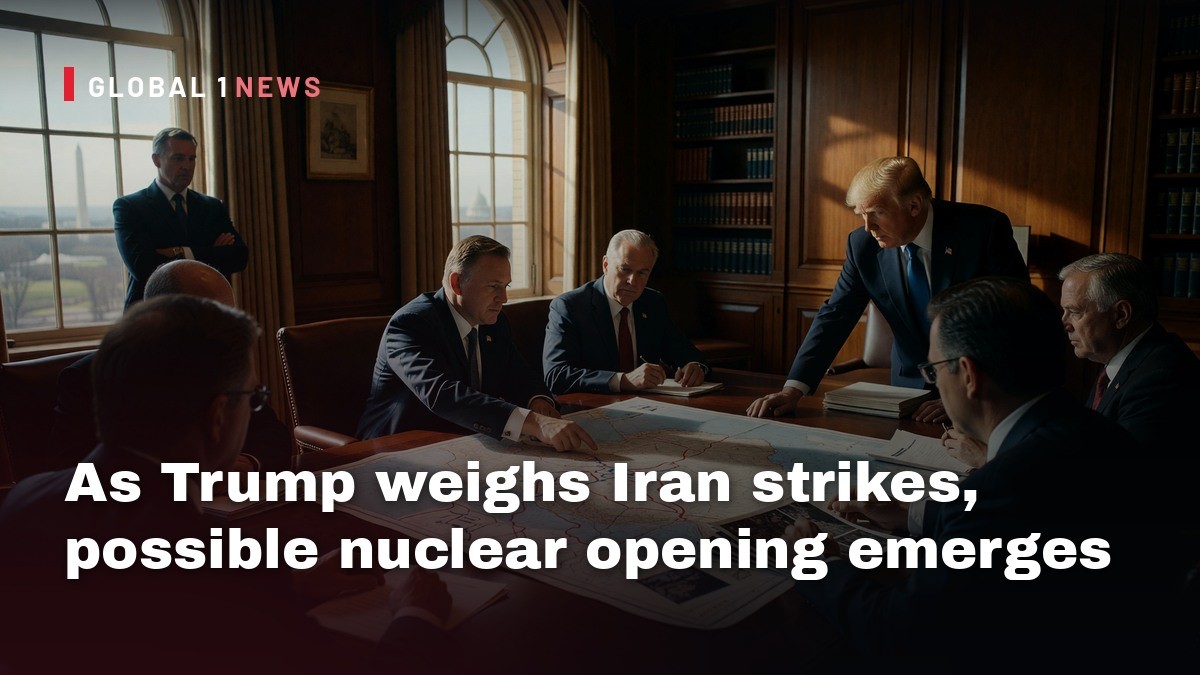
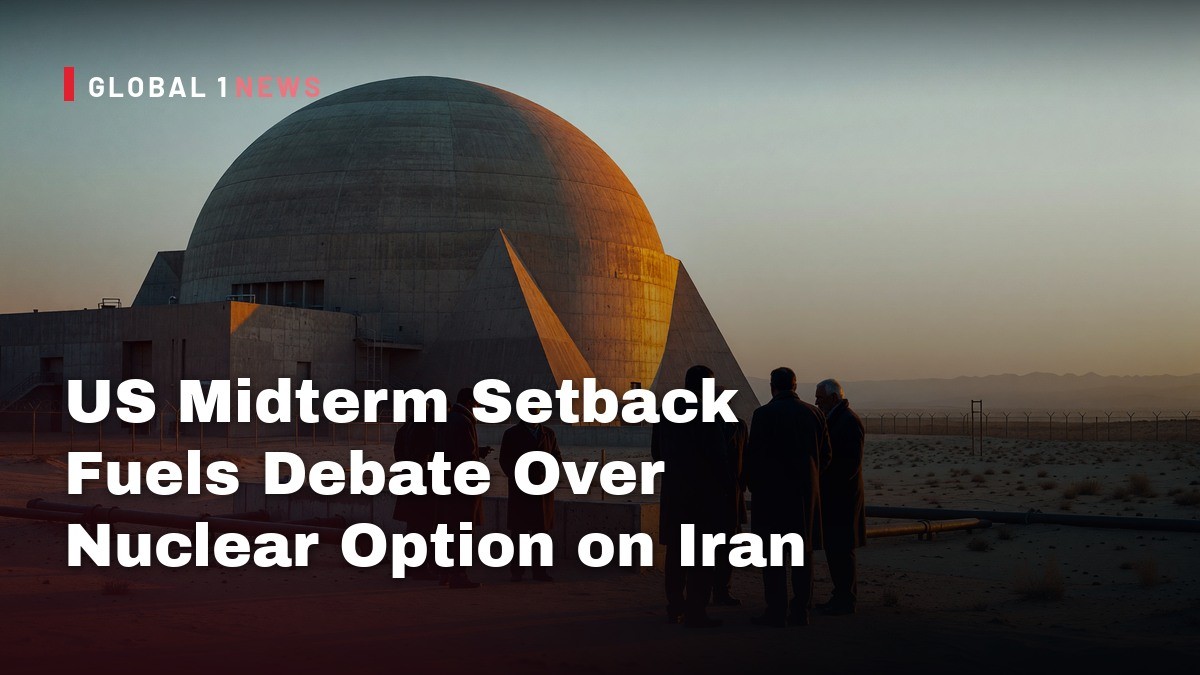
Washington’s renewed push to pressure Tehran over its nuclear programme has taken on fresh urgency in the wake of the 2026 mid‑term elections. With President Donald Trump signalling a willingness to launch strikes if diplomatic avenues stall, the United States is now weighing a set of concrete proposals that could reshape the strategic calculus in the Persian Gulf. The latest developments, reported by Al‑Monitor, reveal a tentative opening on Iran’s part, while also underscoring the deep‑seated concerns that have long haunted American policymakers – notably the stockpile of highly enriched uranium and the lack of access for International Atomic Energy Agency (IAEA) inspectors at key sites.
Political backdrop: elections, war fatigue and diplomatic overtures
The political landscape in Washington shifted dramatically after Democrats swept control of Congress in the recent mid‑term elections. Vice President JD Vance, speaking on Wednesday, linked the outcome to the unpopularity of the ongoing conflict with Iran, suggesting that war fatigue is now a decisive factor in shaping U.S. policy. This domestic pressure appears to have nudged the Trump administration toward a more nuanced approach, seeking “upfront concessions” on Iran’s nuclear programme rather than an immediate return to full‑scale hostilities.
Qatar, long positioned as a mediator in Gulf disputes, has intensified its diplomatic engagement. Emir Sheikh Tamim bin Hamad al‑Thani, in a phone call with President Trump on Friday, urged the continuation of dialogue and highlighted the importance of diplomacy to prevent further regional escalation. Qatar’s state news agency reported the Emir’s emphasis on “embracing diplomacy as a means of resolving disputes,” signalling that the Gulf state remains a key conduit for any potential settlement.
The interim June agreement and its collapse
In mid‑June, Tehran and Washington reached an interim arrangement intended to lay the groundwork for broader negotiations on Iran’s nuclear ambitions. The agreement was meant to act as a bridge, allowing both sides to move beyond the stalemate that had persisted for months. However, the accord quickly unraveled, with the Trump administration opting to seek immediate concessions instead of deferring the nuclear issue. The breakdown of the June deal has left the diplomatic track precarious, prompting the United States to press for more substantive guarantees before any further talks can proceed.
According to the source material, the collapse of the interim agreement coincided with renewed U.S. strikes in June 2025, which inflicted damage on Iranian nuclear infrastructure. The strikes have complicated the negotiation landscape, as Tehran now faces heightened scrutiny over the condition of its facilities and the extent of its remaining capabilities.
Iran’s nuclear assets: highly enriched uranium and undisclosed sites
Central to U.S. concerns is Iran’s possession of approximately 440 kilograms of highly enriched uranium (HEU). Analysts estimate that, if further enriched, this quantity could be sufficient to produce up to eleven nuclear weapons. The bulk of this material is believed to be stored underground at the Isfahan complex, a site that has long been a focal point for international monitoring efforts.
Compounding the challenge is Iran’s refusal to grant IAEA inspectors access to several key facilities after the 2025 strikes. The agency remains barred from the main nuclear sites at Fordow, Isfahan and Natanz, as well as from a lesser‑known location dubbed “Pickaxe Mountain.” Iranian officials describe Pickaxe Mountain as a centrifuge assembly plant, but U.S. officials suspect the site could serve additional covert functions, potentially related to uranium enrichment. President Trump has repeatedly warned that the site could become a target should hostilities resume, underscoring the strategic importance of gaining inspection rights.
Mediator‑driven proposals: Qatar’s role and the Strait of Hormuz
Qatar’s mediation efforts have centered on a proposal that links Iran’s nuclear concessions to broader regional security arrangements. One key element involves Iran reopening the Strait of Hormuz – a vital maritime chokepoint for global oil shipments – in exchange for U.S. concessions such as lifting the naval blockade on Iranian ports. The proposal reflects a classic diplomatic trade‑off: easing economic pressure in return for tangible steps toward curbing Iran’s nuclear capability.
The Qatari‑backed framework also envisions a phased approach to sanctions relief and the release of frozen Iranian assets, which Tehran has long demanded as a precondition for any substantive dialogue. While the source material does not detail the exact terms of the “concrete proposals” delivered by mediators, it indicates that Iranian officials are now reviewing them, suggesting a possible shift from their previous stance of refusing talks until demands are met.
U.S. strategic calculations: balancing pressure and diplomacy
President Trump’s administration is navigating a delicate balance between exerting maximum pressure on Tehran and keeping diplomatic channels open. The primary leverage point remains the United States’ demand for unfettered IAEA access to Iran’s nuclear facilities. Without verification, Washington cannot confidently assess the true scope of Iran’s enrichment activities, especially at undisclosed sites like Pickaxe Mountain.
At the same time, the administration is wary of the political fallout from another round of large‑scale strikes. The mid‑term election results have amplified concerns about war weariness among the American public, and Vice President Vance’s comments reflect a broader recognition that a prolonged conflict could have severe domestic repercussions. Consequently, the U.S. is pursuing a strategy that seeks concrete, verifiable concessions while leaving the door open for further diplomatic engagement, should Tehran demonstrate genuine willingness to cooperate.
Regional implications: security, economics and the broader Middle East
The outcome of these negotiations will reverberate far beyond the immediate U.S.–Iran dynamic. A reopening of the Strait of Hormuz would alleviate a persistent bottleneck in global oil supply chains, potentially stabilising energy markets that have been volatile since the 2025 strikes. Moreover, easing the naval blockade on Iranian ports could foster a modest revival of Iran’s maritime trade, with knock‑on effects for regional economies that rely on Iranian imports and exports.
Security‑wise, any agreement that limits Iran’s nuclear capability would be welcomed by Gulf Arab states, who have long viewed Tehran’s potential nuclear break‑out as an existential threat. However, the delicate balance of power in the region means that any perceived concession to Iran could also embolden its regional proxies, complicating the security calculus for Israel and its allies. Israeli officials, including those at the Ministry of Economy and the Israel Innovation Authority, have been closely monitoring the talks, aware that shifts in Iran’s strategic posture could impact Israel’s own security and economic environment.
Looking ahead: scenarios and the path forward
With Iranian officials reportedly reviewing the mediator‑delivered proposals, the coming weeks could see a pivotal moment in the U.S.–Iran nuclear saga. If Tehran signals a willingness to grant IAEA access and discuss its HEU stockpile, the United States may be prepared to offer incremental sanctions relief and move toward unlocking frozen assets. Such a trajectory would align with Qatar’s diplomatic framework and could pave the way for a broader, more stable regional security arrangement.
Conversely, should Tehran maintain its hardline stance, insisting on full sanctions relief before any inspection regime, Washington may revert to its previous posture of demanding upfront concessions, potentially escalating rhetoric around renewed strikes on sites like Pickaxe Mountain. The political calculus in Washington, shaped by post‑mid‑term war fatigue, suggests that any escalation would be weighed against domestic political costs.
For now, the diplomatic dance continues, with Qatar’s mediation, U.S. strategic pressure, and Iran’s internal calculations intersecting in a complex tableau. The international community, regional actors, and Israeli stakeholders will be watching closely, aware that the resolution—or further deterioration—of this nuclear impasse will shape the security and economic landscape of the Middle East for years to come.
This article was produced with AI-assisted research and editorial support. Reporting is based on the source material cited below. Sources: Al-Monitor; al-monitor.com; Global1.News (07 November 2026).
By Hannah Berg, Staff Writer
What's Your Reaction?
 Like
0
 Dislike
0
 Love
0
 Funny
0
 Wow
0
 Sad
0
 Angry
0
Israel Correspondent at Global1.News. Based in Tel Aviv, covering Israeli politics, security, technology, and society. Provides balanced, deeply-sourced reporting on one of the most closely-watched regions in the world.










Comments (0)