
Ofgem Raises Energy Price Cap 4%: Bills Hit Three-Year High
The UK's energy regulator has confirmed what millions of households feared: the price cap is going up again. From 1 October, the typical dual-fuel bill will rise by 4% to £1,723 a year—the highest level in three years—piling further pressure on families already bracing for a cold winter.
The UK's energy regulator has confirmed what millions of households feared: the price cap is going up again. From 1 October, the typical dual-fuel bill will rise by 4% to £1,723 a year—the highest level in three years—piling further pressure on families already bracing for a cold winter.
Ofgem Raises Energy Price Cap 4%: Typical Bills Hit Three-Year High of £1,723
London, UK – 26 August 2026 — Ofgem, the energy regulator for Great Britain, announced on Wednesday that the price cap will rise by 4% from 1 October 2026, taking the typical dual-fuel household bill paying by direct debit to £1,723 a year. That is an increase of around £60 a year, or £5 a month, from the current £1,663—and comes hot on the heels of a 13% rise at the start of July. The announcement lands as a political flashpoint, with the new Labour government's VAT cut on electricity bills offering only partial relief against what analysts warn could be an even steeper rise in January.

Why Bills Are Rising: The Iran War and Europe's Gas Squeeze
The principal driver is painfully simple: wholesale gas prices. The ongoing war involving Iran and the wider Middle East conflict has sent international gas markets into turmoil, with European storage levels sitting unusually low for this time of year. Wholesale winter prices are now at their highest in almost four years, and successive heatwaves across Europe have increased cooling demand, further tightening supply.
Neil Kenward, Ofgem's director general for markets, was blunt: "High international gas prices are continuing to drive energy costs in the UK." He added that the government's intervention to remove VAT from electricity bills was welcome, "without which customers would have faced even higher costs this winter." The cap, which applies to England, Scotland and Wales, affects around 22 million households on standard variable tariffs. Northern Ireland, which has a separate regulator, is not directly covered.
The VAT Cut: A Political Lifeline or a Drop in the Ocean?
Prime Minister Andy Burnham's government is moving to remove VAT from electricity bills from October, a measure expected to reduce the typical annual cap by around £45. The policy applies to both fixed deals and cap-linked tariffs, and will run at least until the end of the year. Speaking to reporters from a supermarket in London, Burnham acknowledged the strain: "It's difficult for people and I recognise that. But it's why, within days of taking office, I announced that we would remove VAT off electricity bills to give people that little bit of help. That kicks in from October."
Energy Secretary Miatta Fahnbulleh echoed that message, framing the rise as an external shock. "Families will be understandably concerned about the cost of energy bills this winter, which is being driven up by the Iran war," she said. "Energy is an everyday essential and it needs to be affordable for everyone, which is why we have cut VAT on electricity bills from October, to give families some breathing space." She noted that £150 in costs had already been removed from bills earlier this year, and said ministers are considering "fundamental reforms" and investment in renewables to reduce exposure to volatile international gas prices.
But the opposition is not buying it. Claire Coutinho, the Conservatives' shadow energy secretary, seized on the numbers: "Labour promised to cut energy bills by £300, but they have gone up by nearly £400 instead." She touted the party's "cheap power plan" which would scrap government taxes and levies on bills. Meanwhile, Pippa Heylings, the Liberal Democrats' energy spokeswoman, argued the rise had effectively "wiped out the small savings from Andy Burnham's cut of VAT on electricity bills," calling for an essential energy guarantee to protect the most vulnerable.
Regional Impact: From the North of England to Rural Wales
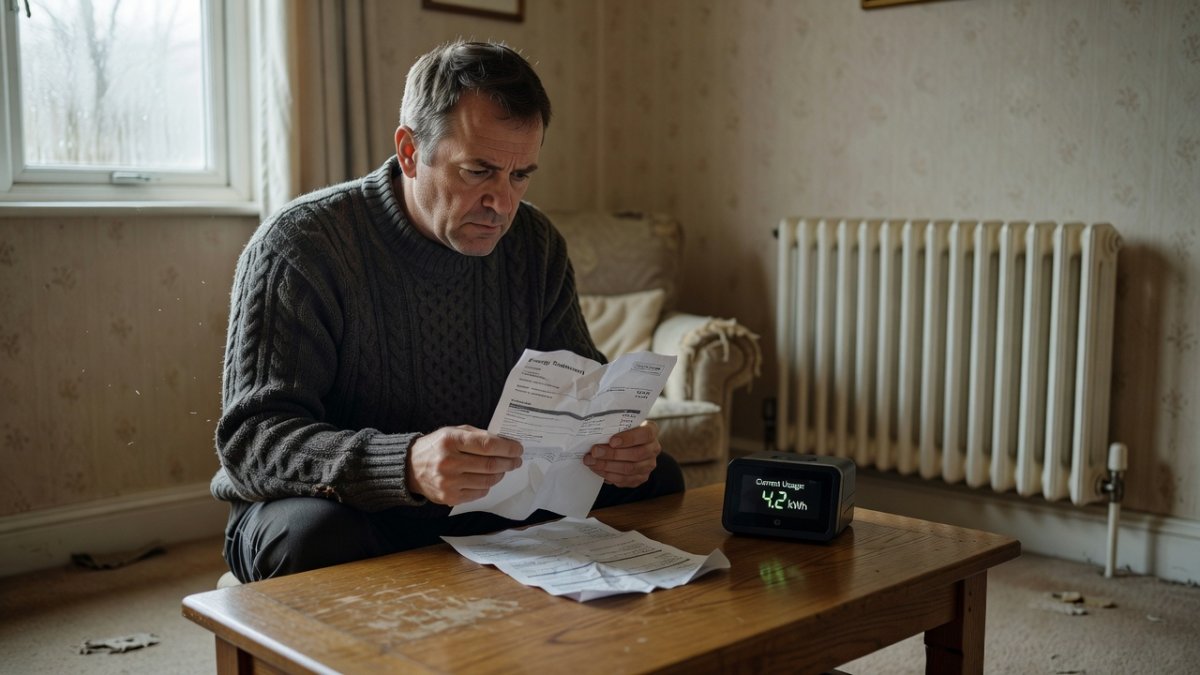
The pain will not be felt evenly. Households in the north of England, Scotland and Wales—where fuel poverty rates are already among the highest in the UK—will be hit hardest. In rural off-grid communities, where homes rely on heating oil or LPG rather than mains gas, the price cap offers no protection at all, and those households face even steeper costs this winter. Urban centres like Manchester, Leeds and Glasgow will see the direct debit increases hit household budgets that are already stretched by high rents and food prices.
For the 11 million households (around 35%) on fixed deals, the immediate impact is muted—but only temporarily. Fixed tariffs are currently available at £100 or more below the October price cap, offering a rare window of relief for those who can switch. But for the majority on standard variable tariffs, the rise is immediate and unavoidable.
Debt Crisis Deepens: Three Million Households in Arrears
Behind the headline figures lies a growing crisis of energy debt. More than three million customers are now in debt or arrears, with the average amount owed standing at around £1,800. Energy UK, the trade body, warns that unpaid bills could reach about £7bn by the end of the year—a staggering sum that ultimately gets socialised through everyone's bills. Charities are alarmed, pointing to the triple threat of fuel poverty, rising debt, and the risk of another increase at the coldest point of the year.
Richard Neudegg of Uswitch was unequivocal: "This is going to be another difficult winter. For price cap customers, gas costs will be almost 27 per cent higher than the same period last year... Over half of households say they are already worried about paying for heating this winter." The cap does not limit total bills; it caps unit rates and standing charges. And while price cap customers will pay no VAT on electricity between 1 October and 31 December 2026, the 5% VAT on gas remains—a detail that will not be lost on those watching every penny.
January Forecast: Another 9% Rise on the Horizon
If October's rise is bad, January could be worse. Cornwall Insight, the energy consultancy, forecasts a further 9% rise from 1 January 2027, adding around £149 and taking the typical bill to £1,872. That forecast will not be confirmed until November, but Craig Lowrey, principal consultant at Cornwall Insight, warned: "Households will see rising energy bills going into winter, with the risk that, unfortunately, January will bring even more hardship." He added a pointed observation: "What is frustrating is these rises, as we have seen time and time again, have very little to do with what is happening in Britain."
The global dimension is inescapable. The Iran war has disrupted shipping lanes, spooked markets, and sent European governments scrambling for alternative supplies. European gas storage levels, which should be near full ahead of winter, are lagging behind seasonal norms. Every cold snap on the continent will now ripple directly into UK bills. The government's bet on renewables is a long-term hedge, but it does nothing to insulate households from the immediate shock of this winter's prices.
The Bottom Line — What Comes Next
The VAT cut is real, but it is temporary and partial. The government's promise of "fundamental reforms" to the energy market is vague, and the timeline for delivery is unclear. For the 22 million households on standard variable tariffs, the arithmetic is grim: a £60 rise in October, a potential £149 rise in January, and a debt crisis that is deepening by the day. The political blame game has begun, but the underlying problem is structural—a UK energy system still heavily exposed to volatile international gas markets. Until that changes, British households will continue to pay the price for wars and weather they have no control over. The only immediate advice from experts is to shop around for fixed deals while they last, and to contact your supplier if you are struggling. Winter is coming, and it will be expensive.
By Erica Thornton, Staff Writer
This article was produced with AI-assisted research and editorial support. Reporting is based on sources cited in the article.
What's Your Reaction?
 Like
0
Like
0
 Dislike
0
Dislike
0
 Love
0
Love
0
 Funny
0
Funny
0
 Wow
0
Wow
0
 Sad
0
Sad
0
 Angry
0
Angry
0

US Politics and Policy Correspondent at Global1.News. Based in Washington DC, covering American politics, policy, elections, and the courts. Knows how the system works and tells you what it actually means.














Comments (0)