
Narco Ranch to Become School and Health Center in Morelos
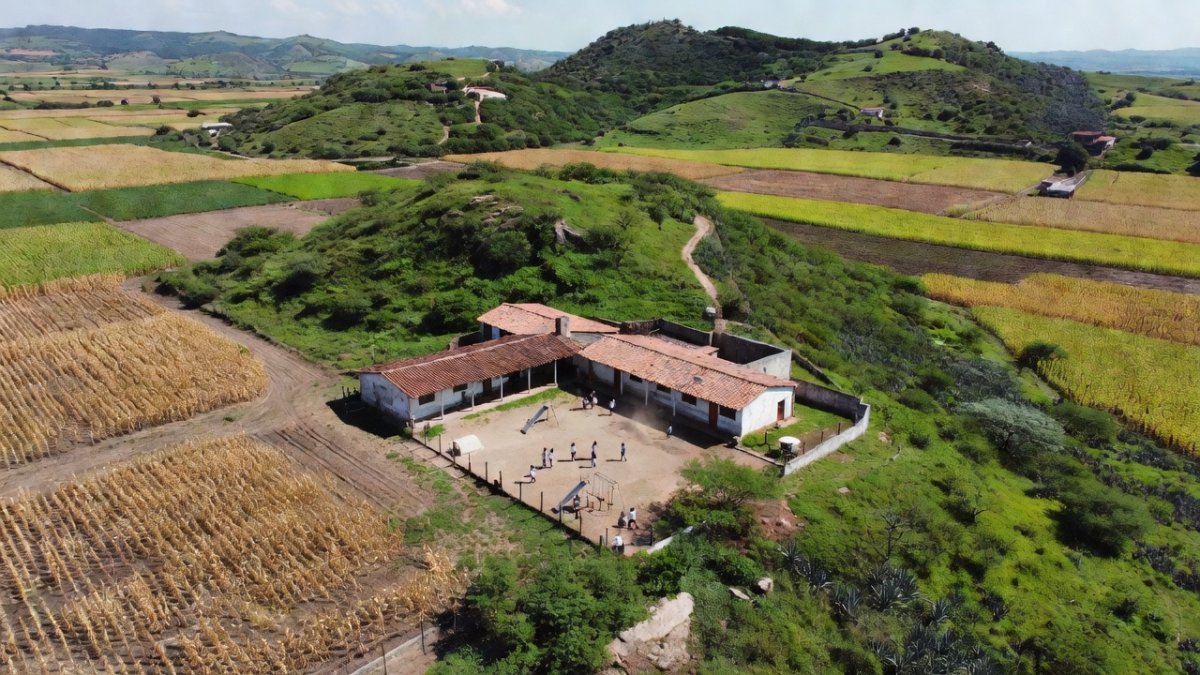
The sprawling property in the community of Atlacholoaya, in the municipality of Xochitepec, has sat abandoned for nearly two decades, a silent monument to a violent chapter in Mexico's recent history. Known as "El Paraíso," the roughly three-hectare ranch once belonged to Édgar Valdez Villarreal, the Laredo-born drug lord better known as "La Barbie," who served as the head of hitmen for the Beltrán Leyva cartel.
Narco Ranch to Become School and Health Center in Morelos
The sprawling property in the community of Atlacholoaya, in the municipality of Xochitepec, has sat abandoned for nearly two decades, a silent monument to a violent chapter in Mexico's recent history. Known as "El Paraíso," the roughly three-hectare ranch once belonged to Édgar Valdez Villarreal, the Laredo-born drug lord better known as "La Barbie," who served as the head of hitmen for the Beltrán Leyva cartel. Federal authorities seized the property in 2009, and for years it remained a ghost of that era — a place locals avoided, a symbol of impunity and bloodshed.
Now, that same land is being reclaimed by the community. This week, Morelos Governor Margarita González Saravia, of the Morena party, announced that the former narco ranch will be converted into an extension of Centro de Bachillerato Tecnológico Agropecuario (CBTA) 194, an agricultural technological high school, and will also house the future Instituto de Medicina Tradicional de México. The announcement, made during a press conference in Cuernavaca, marks a significant step in the state's efforts to repurpose assets seized from organized crime into public goods that serve ordinary families.
From Cartel Hideout to Community Asset: The Long Journey of El Paraíso
The transformation of El Paraíso did not happen overnight. After the FGR (Fiscalía General de la República) seized the property in 2009, the ranch became part of a peculiar Mexican practice: disposing of seized assets through a national lottery. The winner of that lottery, however, refused to take possession of the property. The reasons remain unclear, but local reports suggest the stigma attached to the land — and perhaps the fear of reprisals — made it an unwanted prize. The winner instead sold the ranch back to the government for an undisclosed amount, clearing the legal path for its current metamorphosis.
For the people of Atlacholoaya, an indigenous community in an agricultural zone about 20 miles south of Cuernavaca, the announcement carries deep symbolic weight. For years, the ranch stood as a reminder of the violence that plagued the region during the height of the cartel wars. La Barbie's arrest in August 2010, his extradition to the United States on September 30, 2015, and his subsequent 49-year federal prison sentence in Atlanta closed one chapter. But the physical remnants of that era remained, casting a long shadow over the community.
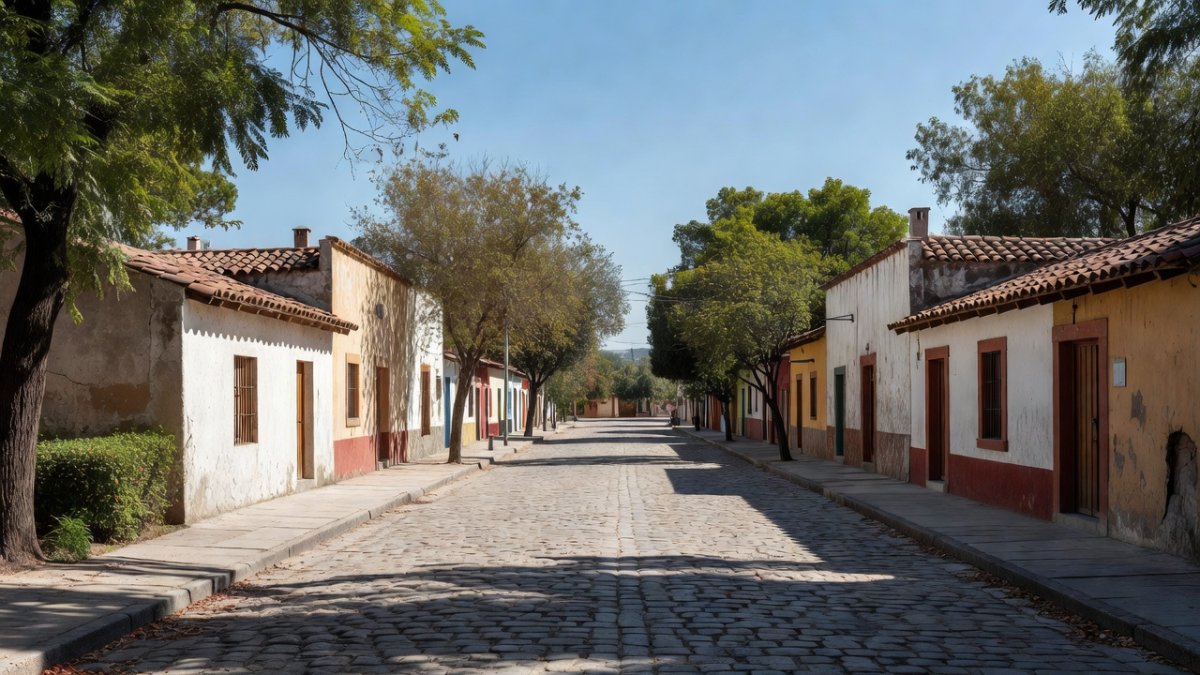
Governor González Saravia said the decision to repurpose the property responded to both its size and the region's characteristics. Atlacholoaya is not just an indigenous community; it is also a place where agriculture remains the backbone of daily life. The choice to house an agricultural high school and a traditional medicine institute reflects a deliberate effort to align the project with the community's identity and needs.
A Space for Healing: The Vision Behind the Project
Local media have described the project as "a space for healing" and an effort to "rescue young people" in a region long affected by cartel violence. The dual purpose of the site — education and traditional medicine — speaks to a broader vision of community restoration. The CBTA 194 extension will offer young people in Atlacholoaya and surrounding areas the chance to study agricultural technology without leaving their communities, a crucial opportunity in a state where educational access remains uneven.
The Instituto de Medicina Tradicional de México, meanwhile, represents an acknowledgment of the knowledge held by indigenous communities. For generations, traditional healers in Morelos and across Mexico have used herbal remedies and ancestral practices to treat illness. The institute aims to formalize and preserve this knowledge, creating a space where it can be studied, practiced, and passed on to new generations. For the families of Atlacholoaya, many of whom rely on these traditions, the institute is a validation of their cultural heritage.
The initial investment for the project has been reported at 26 million pesos. Governor González Saravia emphasized that the works are being planned and are beginning to take shape, though she did not provide a specific completion date. The cautious timeline reflects the complexity of converting a former cartel property into a functioning educational and health facility — a process that involves not just construction, but also community trust and institutional coordination.
Repurposing Narco Assets: A National Conversation
Mexico has a long and uneven history of converting properties seized from organized crime into public assets. In various states, former narco mansions have been turned into police stations, cultural centers, and even schools. The practice is part of a broader national conversation about what to do with the physical remnants of the drug war. For many Mexicans, these properties are painful reminders of lost loved ones and shattered communities. For others, they represent an opportunity to reclaim space and invest in the future.
The case of El Paraíso is particularly notable because of the notoriety of its former owner. La Barbie was not just any drug lord; he was a figure who embodied the cross-border nature of the cartel wars, a Texas-born American who rose through the ranks of Mexican organized crime. His ranch in Morelos was reportedly a site of lavish parties and brutal violence, a place where the excesses of the cartel world played out in plain sight. Converting that space into a school and health center is a powerful act of reclamation.
However, the process is not without challenges. Seized properties often come with legal complications, including claims from former owners or third parties. The fact that the lottery winner sold the property back to the government suggests that the legal path was cleared, but such transactions are rarely simple. The undisclosed amount of the sale has raised questions, though officials have not commented on the specifics.
Education as a Path Forward: Morelos' Broader Goal
The El Paraíso project is part of a larger push by the Morelos state government to expand educational access. Governor González Saravia has set a goal of creating 21 new high schools across the state, ensuring that no young person in Morelos is left without a preparatoria place. The CBTA 194 extension at El Paraíso is a key piece of that puzzle, particularly for the rural and indigenous communities that have historically been underserved.
For families in Atlacholoaya, the new school represents more than just a building. It is a chance for their children to stay close to home while pursuing an education that is relevant to their lives. Agricultural technology is not an abstract subject here; it is directly connected to the work that sustains their families. The school could also serve as a hub for the community, a place where young people can gather, learn, and imagine futures that do not involve the violence that once defined the region.
The traditional medicine institute adds another layer. In a country where public health services are often stretched thin, traditional medicine offers an alternative that is both culturally resonant and practically valuable. The institute could train new generations of healers, preserve endangered knowledge, and provide services to the community. It is a reminder that healing is not just about treating illness; it is also about restoring the social fabric.
Community Response and the Road Ahead
Initial reactions from the community have been cautiously optimistic. Residents of Atlacholoaya have long called for the property to be put to productive use, and the announcement has been met with a sense of relief that the land will no longer be a symbol of violence. However, there is also an awareness that the project is just beginning. Construction has not yet started, and the timeline for completion remains unclear. The community will be watching closely to ensure that the promises made by the governor are kept.
The broader significance of the project extends beyond Morelos. In a country where organized crime has left deep scars, the conversion of narco properties into public assets is a way of reclaiming space and rewriting narratives. It is a slow, difficult process, but one that offers a path forward. For the young people of Atlacholoaya, the former ranch of La Barbie may soon be a place where they learn, grow, and build a future that is radically different from the past.
As the works are being planned and the first steps are taken, the people of Morelos are watching. The transformation of El Paraíso is not just about a building; it is about the possibility of healing a community and, in some small way, healing a nation.
Tags: La Barbie, El Paraíso ranch, Morelos, Xochitepec, Atlacholoaya, CBTA 194, traditional medicine, narco property, Margarita González Saravia, seized assets, organized crime, Mexico education, indigenous community, Morena, FGR
By Rosa Martinez, Staff Writer
This article was produced with AI-assisted research and editorial support. Reporting is based on sources cited in the article.
What's Your Reaction?
 Like
0
Like
0
 Dislike
0
Dislike
0
 Love
0
Love
0
 Funny
0
Funny
0
 Wow
0
Wow
0
 Sad
0
Sad
0
 Angry
0
Angry
0
Latin America/Andes Correspondent at Global1.News. Based in Bogota, covering politics, environment, energy, and social movements across the Andean region. Passionate about environmental journalism and communities protecting their land.













Comments (0)