
Sunshine and storms set to shape South Africa’s Diwali Sunday
As South Africans gear up for Diwali celebrations this Sunday, the nation’s weather picture is anything but uniform. For fans planning backyard barbecues, beach outings or community festivals, the forecast is a reminder that the festive spirit must be matched with a keen eye on the skies.
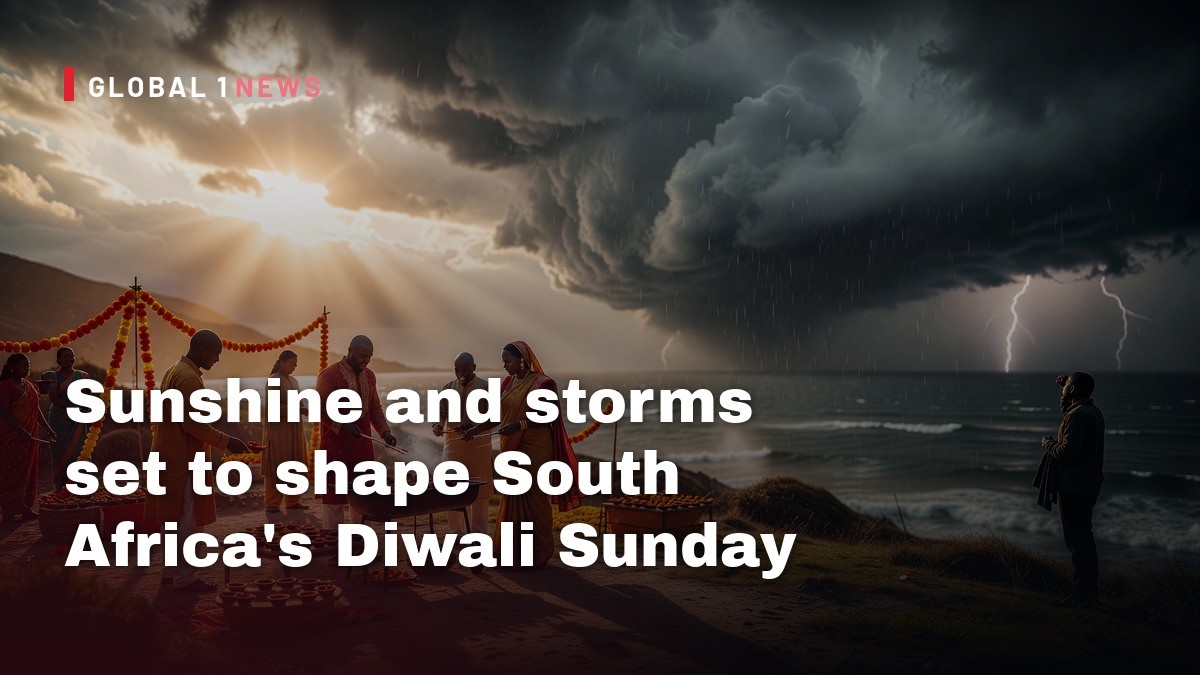
As South Africans gear up for Diwali celebrations this Sunday, the nation’s weather picture is anything but uniform. The South African Weather Service (SAWS) has painted a stark east‑west divide, with scorching heat gripping the western provinces while the eastern interior braces for scattered to widespread thunderstorms. For fans planning backyard barbecues, beach outings or community festivals, the forecast is a reminder that the festive spirit must be matched with a keen eye on the skies.
Hot‑to‑very hot conditions dominate the west
The SAWS outlook flags the Northern Cape as the hottest pocket of the country on Diwali Sunday, with “very hot” weather predicted around Upington and surrounding areas. The western interior will also stay warm, while parts of the Western Cape enjoy warm, but less extreme, temperatures. This heat wave is set to shape celebrations from the Vaal to the Cape, where families will likely gather outdoors for traditional feasts and fireworks under clear skies.
For those planning outdoor activities in these hot zones, the service’s advice is clear: stay hydrated, seek shade and limit prolonged exposure to the heat. The emphasis on hydration and shade reflects the practical concerns of a country where summer temperatures can quickly turn dangerous, especially for the elderly and children who are central to Diwali gatherings.
Eastern provinces brace for thunderstorm risk
In contrast, the eastern half of South Africa faces a heightened threat of thunderstorms. SAWS forecasts scattered storms over parts of Limpopo and Mpumalanga, with the potential for isolated to widespread activity across the north‑eastern interior. KwaZulu‑Natal stands out, with the outlook indicating widespread thunderstorm activity over much of the province.
The forecast warns that these storms could develop quickly, bringing heavy rain, gusty winds and lightning. For Diwali revellers in the east, the recommendation is simple: if thunderstorms develop, move indoors and avoid open spaces during lightning activity. The guidance underscores the need for flexible plans, especially for community events that might otherwise spill onto streets and parks.
What the weather means for Diwali traditions
Diwali, the Festival of Lights, is celebrated across South Africa’s diverse communities, from the Indian diaspora in Durban to the vibrant multicultural neighborhoods of Johannesburg and Cape Town. The festival’s hallmark rituals—lighting oil lamps, sharing sweets, and fireworks—are all weather‑dependent. In the hot western zones, the clear skies will likely allow for spectacular fireworks displays that illuminate the night, echoing the festive glow of lanterns and diyas.
Meanwhile, the eastern provinces may see a shift toward indoor celebrations. Families might gather in community halls or homes, focusing on the symbolic lighting of lamps and the sharing of traditional foods rather than large‑scale fireworks. The weather could also influence the timing of firework displays, with organizers potentially moving shows earlier in the evening to avoid the peak of thunderstorm activity.
Safety first: SAWS advice for a safe Diwali
SAWS has urged anyone planning Diwali festivities to monitor the weather throughout the day. The service’s call to keep checking the latest forecasts and warnings reflects the dynamic nature of South Africa’s summer weather, where conditions can shift rapidly from clear to stormy. For event organisers, this means having contingency plans ready—whether that’s a backup indoor venue or a clear protocol for moving crowds to safety at the first sign of lightning.
Key safety tips include staying out of open fields during thunderstorms, avoiding tall structures that could attract lightning, and ensuring that any outdoor cooking or grilling is halted if a storm approaches. The emphasis on moving indoors during lightning activity is a practical reminder that the festive excitement must not eclipse basic safety considerations.
Impact on travel and logistics
Travelers heading to Diwali events should also heed the weather split. In the west, road conditions are expected to remain stable, but the intense heat could affect vehicle performance and driver fatigue. Drivers are advised to keep cool, stay hydrated and check tyre pressures, especially on long journeys to family gatherings.
In the east, the forecasted thunderstorms could lead to localized flooding, reduced visibility and slower traffic. Commuters in Limpopo, Mpumalanga and KwaZulu‑Natal should allow extra travel time and stay updated on road alerts. Public transport operators may need to adjust schedules if severe weather disrupts routes, making it essential for passengers to stay informed through SAWS updates and local news channels.
Community response and the spirit of resilience
South Africans have long demonstrated resilience in the face of weather extremes, turning challenges into opportunities for community bonding. In past years, sudden storms have seen neighbours rally together, sharing shelter and resources. This Diwali, the dual weather scenario is likely to reinforce that communal spirit. In the west, families will revel under bright skies, while in the east, the shared experience of seeking shelter could foster a sense of togetherness as households gather indoors, lighting lamps and sharing stories.
The festival’s underlying message of triumph over darkness aligns symbolically with the need to navigate weather‑related uncertainties. Whether the night ends with fireworks lighting up a clear sky or with candles flickering inside a warm living room, the essence of Diwali—hope, renewal and unity—remains intact across the country.
Looking ahead: Weather trends for future celebrations
The sharp east‑west contrast highlighted by SAWS this Diwali is part of a broader pattern of seasonal variability that South Africans must consider for future festive planning. As climate patterns evolve, the frequency of extreme heat in the west and intense thunderstorms in the east may become more pronounced, influencing how festivals are organised and experienced.
For now, the immediate focus is on staying safe and making the most of the day’s conditions. By heeding SAWS advice—monitoring forecasts, staying hydrated, seeking shade in the heat and moving indoors during lightning—South Africans can ensure that Diwali 2026 is celebrated with the same joy and vibrancy that defines the nation’s diverse sporting and cultural calendar.
This article was produced with AI-assisted research and editorial support. Reporting is based on the source material cited below. Sources: The South African; thesouthafrican.com; Global1.News (07 November 2026).
By Dante Williams, Staff Writer
What's Your Reaction?
 Like
0
 Dislike
0
 Love
0
 Funny
0
 Wow
0
 Sad
0
 Angry
0

Breaking News and Investigations Correspondent at Global1.News. Based in London, covering global breaking news, security, and investigative stories. Known for digging deeper and connecting the dots across continents.












Comments (0)