
Eight Missing After Speedboat Carrying Journalists Heads to Erupting Anak Krakatau
The Sunda Strait, a restless waterway that has shaped the history and fate of nations for centuries, is once again the focus of anxious attention. As of Wednesday, a desperate search is underway for eight people, including five journalists, who vanished after their speedboat headed toward the erupti
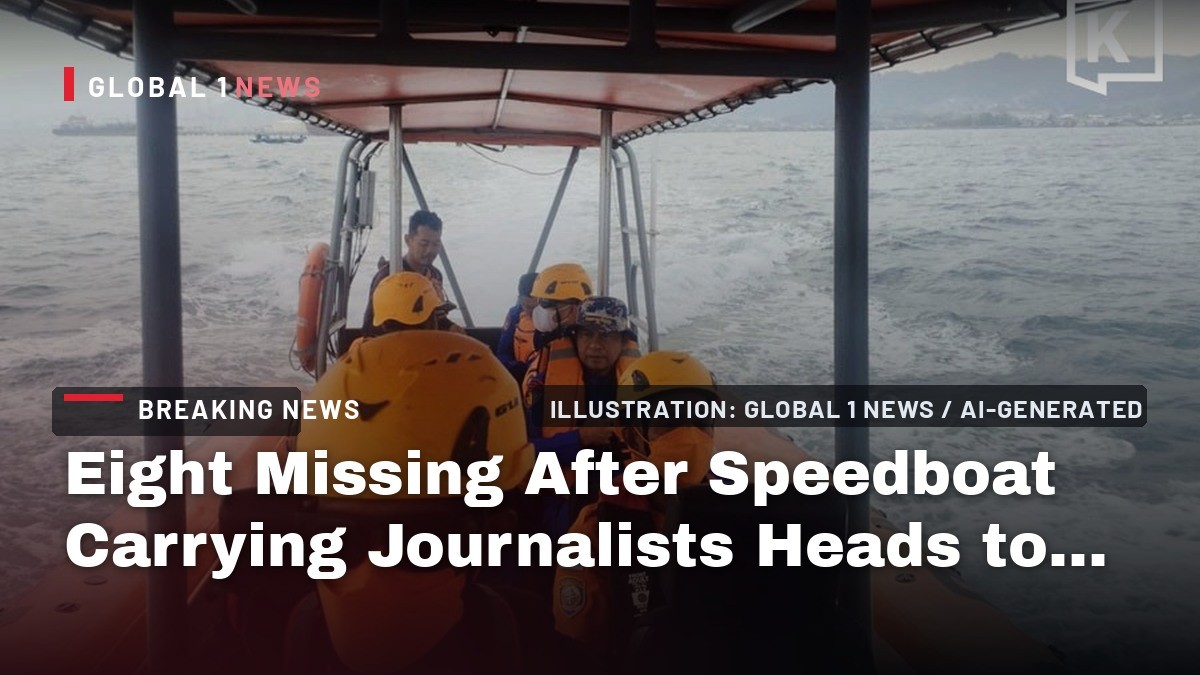
The Sunda Strait, a restless waterway that has shaped the history and fate of nations for centuries, is once again the focus of anxious attention. As of Wednesday, a desperate search is underway for eight people, including five journalists, who vanished after their speedboat headed toward the erupting Mount Anak Krakatau to document the volcano’s fury. The disappearance has cast a sombre shadow over the region, reminding us all of the profound risks taken by those who bring us the news, and the raw, unpredictable power of nature that lies just beyond our shores.
The Missing Group
Indonesian authorities and international media reports have confirmed that the missing group comprises five journalists, two boat crew members, and one guide. They departed from Pagedongan Pier in Carita, Banten province, on Monday afternoon, setting a course for Anak Krakatau, the volcanic island that sits in the Sunda Strait between the large Indonesian islands of Java and Sumatra. At some point during their journey, all contact with the boat was lost, plunging families and colleagues into a state of agonising uncertainty.
The journalists have been identified as Muhammad Bagus Khoirunnas of Indonesia’s state news agency Antara, Arie Basuki of Merdeka.com, Yudhistira of iNews, Daus of Turkey’s Anadolu Agency, and freelance photographer Donal Husni. These are experienced professionals, no doubt, who understood the inherent dangers of their assignment, yet they ventured forth to capture a story of global significance. Their mission was to document the ongoing eruption of Anak Krakatau, a volcano that has been active since late last week and has already caused widespread disruption across the Indonesian archipelago.
The Last Contact
The final message from the boat was received by relatives of one of the journalists at 18:13 on Monday. According to Al Amrad, the chief of Banten’s Search and Rescue Office, the message indicated that the group had successfully reached the waters around Anak Krakatau. It was a moment of achievement, a sign that they had arrived at their destination, but it was also the last time anyone heard from them. No further communication has been received since that brief, hopeful update.
The boat’s last known location was approximately 18.5 kilometres from the shore. This distance, while significant, is not insurmountable for a speedboat, yet it places the vessel squarely within the volatile maritime environment surrounding the erupting volcano. The area is subject to the volcano’s whims, including potential ash clouds, pyroclastic flows, and the ever-present danger of sudden tsunamis, a threat that has proven deadly in this exact location before.
The Search Operation
On Tuesday, Indonesian rescuers launched a formal search operation after the group was officially reported missing. However, the initial efforts were hampered by treacherous conditions. High waves and poor visibility forced authorities to suspend the search, a frustrating setback for the families waiting desperately for news. The operation resumed on Wednesday morning, with the search area being significantly expanded to cover a wider radius of ocean.
Dozens of rescuers are now involved in the painstaking effort, including personnel from the police and military, alongside local fishermen and volunteers who know these waters intimately. The rescue agency has deployed a range of assets to assist in the operation, including high-speed search-and-rescue vessels, inflatable boats, and thermal drones. These tools are essential for scanning the vast expanse of the sea, particularly in conditions where visibility is limited and the possibility of survivors clinging to debris is a race against time.
As of Wednesday, none of the eight people had been located, and authorities had not reported any confirmed communication from the missing group. Antara stated on Tuesday evening that no signal or communication had been received from the five journalists, deepening the concern that has gripped the nation. The silence is deafening, and every passing hour makes the search more urgent.
The Volcano’s Fury
The journalists were travelling to cover the eruption of Mount Anak Krakatau, which has been spewing lava, ash, and incandescent material since late last week. The volcano’s initial eruption ended on Sunday, but this was not the end of the activity. Subsequent explosions have continued to eject volcanic material from its crater, creating a dramatic and dangerous spectacle. According to Indonesia’s volcano monitoring agency, the volcano erupted three times on Tuesday alone, demonstrating that the mountain remains highly unstable and unpredictable.
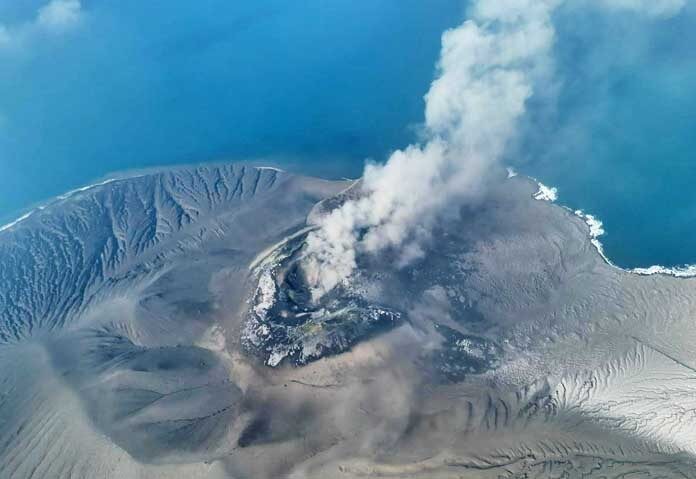
The volcanic ash has had a significant impact on air travel across Indonesia. Several airports, including Jakarta’s Soekarno-Hatta International Airport, were affected by the drifting ash clouds. While airports that had been closed because of the ash were subsequently reopened as conditions improved, the disruption has already been immense. The volcanic ash disruption affected more than 340,000 travellers, a staggering number that highlights the far-reaching consequences of this natural event. Further eruptions could still cause flight disruptions depending on the height of the ash plume and the direction of the wind, meaning that the situation remains fluid and potentially volatile.
A History of Catastrophe
Anak Krakatau, which translates to “Child of Krakatau,” is a relatively young volcano that emerged from the area of the former Krakatau volcano. That predecessor was destroyed in a catastrophic eruption in 1883, one of the deadliest volcanic events in recorded history. The 1883 eruption triggered tsunamis that killed more than 36,000 people, a tragedy that reshaped the region and left an indelible mark on the collective memory of Southeast Asia. The very name Krakatau evokes a sense of awe and dread, a reminder of the immense forces that lie beneath the earth’s crust.
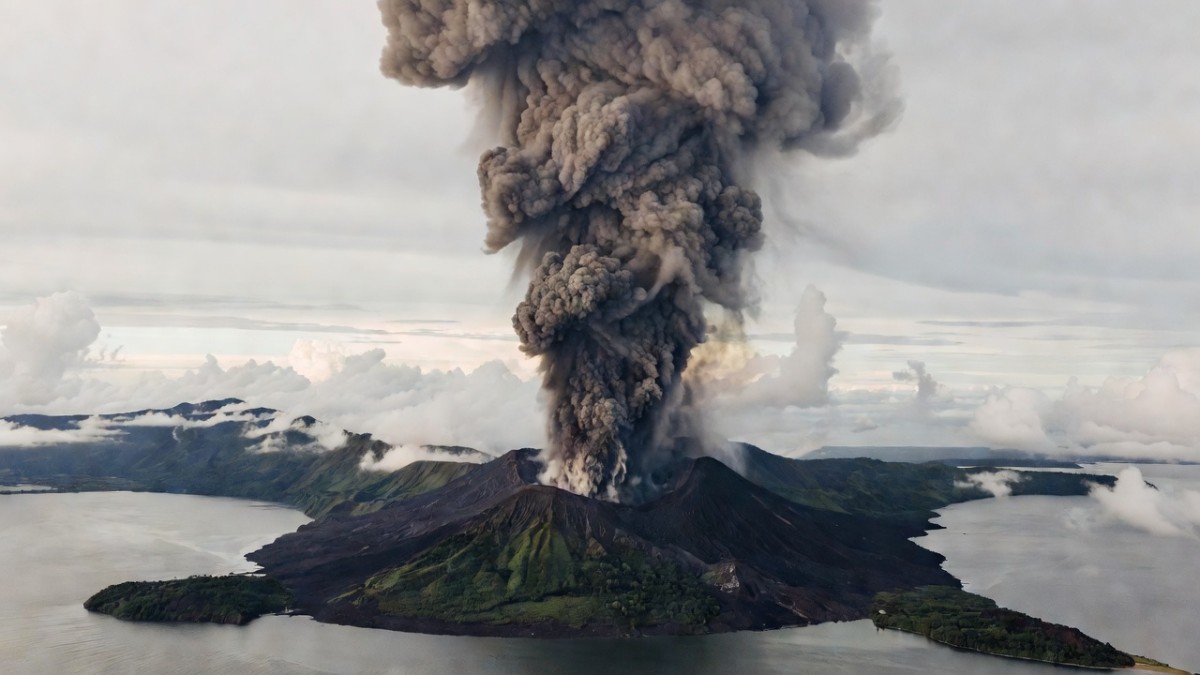
More recently, a 2018 eruption of Anak Krakatau triggered a tsunami that killed more than 400 people. This event served as a stark reminder that the volcano is not merely a geological curiosity but an active threat to the lives and livelihoods of those who live along the coasts of Java and Sumatra. The memory of that disaster is still fresh, and it adds a layer of profound anxiety to the current search. Indonesian authorities have maintained a 3-kilometre exclusion zone around Anak Krakatau because of the continuing volcanic activity, a measure designed to protect the public from the volcano’s unpredictable behaviour. The missing group, however, had ventured into this dangerous zone in the pursuit of their story.
A Regional Concern for Thai and ASEAN Readers
For those of us in Thailand and across Southeast Asia, this story resonates on multiple levels. The Sunda Strait is not a distant, abstract location; it is part of our shared regional geography, a waterway that connects our nations and has played a pivotal role in our history. The disaster risk posed by volcanoes and earthquakes is a common challenge for all ASEAN member states, and the response to such events often requires regional cooperation and solidarity. When a tragedy unfolds in Indonesia, we feel it as neighbours, knowing that the same forces of nature could one day affect our own shores.
Furthermore, the disruption to air travel is a direct concern for Thai travellers and businesses. Jakarta’s Soekarno-Hatta International Airport is a major hub for regional and international flights, and the volcanic ash has already caused significant delays and cancellations. For those planning to fly through Jakarta or other affected airports, the situation serves as a reminder of the fragility of our travel networks in the face of natural disasters. The more than 340,000 travellers affected by the ash clouds include people from across the region, and the potential for further disruptions remains a live issue.
The Human Story of Journalists
Beyond the logistics and the geology, this is a deeply human story. It is about the brave men and women who risk their lives to bring us information. Journalists are often the first to arrive at the scene of a disaster, and sometimes they pay the ultimate price for their dedication. The five journalists on that boat were not merely observers; they were witnesses, tasked with documenting an event that affects millions of people. Their work is essential for public awareness and safety, yet it comes with inherent risks that are not always fully appreciated.
As we wait for news, our thoughts are with their families, friends, and colleagues. The uncertainty is unbearable, and the hope is that the search and rescue teams will find them alive. The expansion of the search area and the deployment of advanced technology, including thermal drones, offer a glimmer of hope, but the conditions remain challenging. The high waves and poor visibility that hampered the initial search are a testament to the difficult environment in which the rescuers are operating.
The story of Anak Krakatau is one of destruction and rebirth, a cycle that has repeated itself for centuries. The volcano that rose from the ashes of its predecessor is now once again reminding us of its power. For the families of the missing, the wait is agonising. For the region, it is a moment to reflect on our shared vulnerability and the importance of those who document our world. The search continues, and with it, the hope that the eight missing individuals will be brought home safely.
By Ann Srisawat, Staff Writer
This article was produced with AI-assisted research and editorial support. Sources: Khaosod English, Antara, Indonesian search-and-rescue authorities.
What's Your Reaction?
 Like
0
Like
0
 Dislike
0
Dislike
0
 Love
0
Love
0
 Funny
0
Funny
0
 Wow
0
Wow
0
 Sad
0
Sad
0
 Angry
0
Angry
0

Southeast Asia Correspondent at Global1.News. Based in Bangkok, covering Thai and Southeast Asian politics, economy, technology, and culture. Deep regional perspective on one of the world's most dynamic regions.














Comments (0)