
Kenya's Milk Shortage Tests the Nation's Beloved Chai Ritual
Nairobi, Kenya — The steam rising from a cup of chai is more than just a morning ritual here; it is the country’s social glue, its breakfast table, and its quiet engine of daily commerce. But this week, that steam has been accompanied by a collective sigh of frustration.
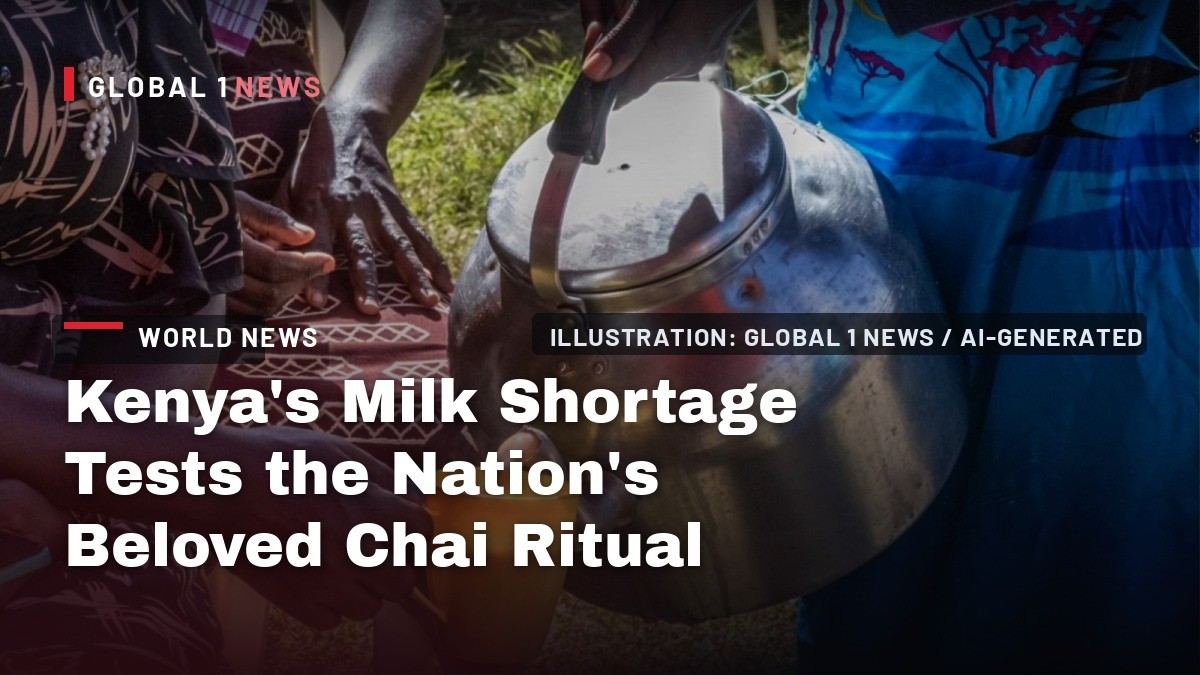
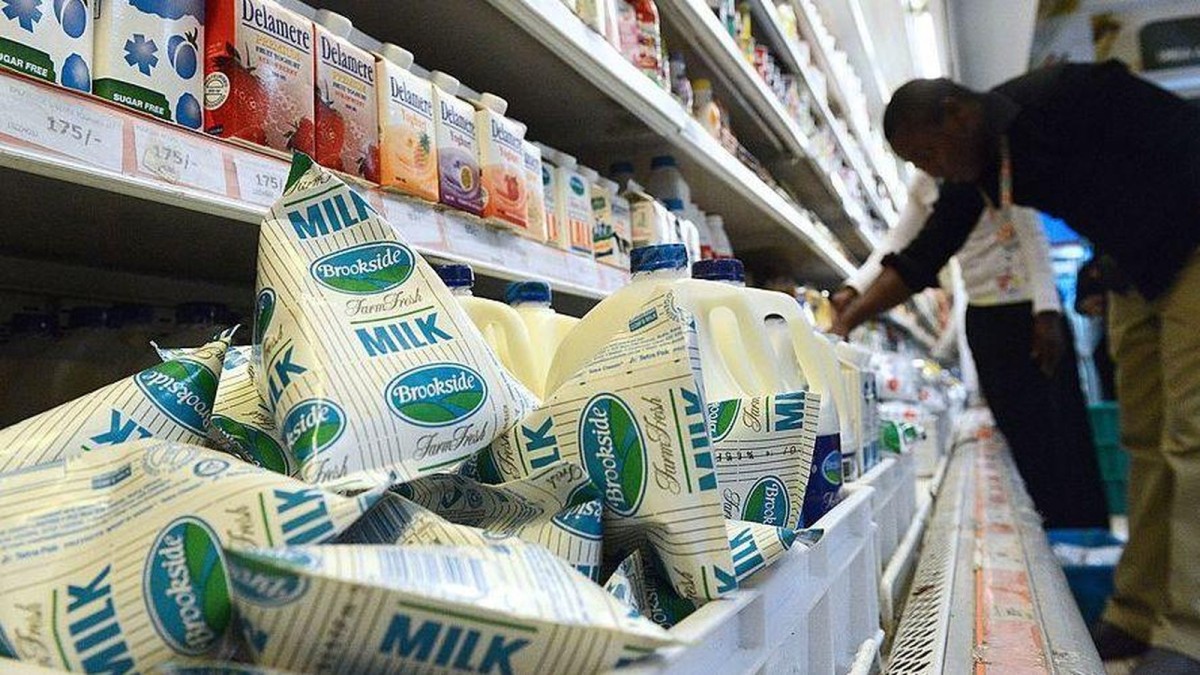
Nairobi, Kenya — The steam rising from a cup of chai is more than just a morning ritual here; it is the country’s social glue, its breakfast table, and its quiet engine of daily commerce. But this week, that steam has been accompanied by a collective sigh of frustration. Across Nairobi’s supermarkets, the chilled dairy sections stand noticeably bare, and the beloved milky tea that Kenyans take several times a day has become a precious, and increasingly expensive, commodity.
For Muthoni Macharia, who runs a restaurant in the capital, the crisis is not an abstract statistic. She usually buys more than 70 packets of fresh milk to serve her morning rush. In recent days, she has been forced to turn customers away or watch them settle for black tea—a compromise many are unwilling to make. “Where has the milk gone?” she asked, her voice carrying the strain of a businesswoman watching her margins evaporate. “If they come in groups, and there’s no milk tea, you see that’s a loss for me.” The shortage, which has persisted for about a week, is hitting at the heart of Kenyan hospitality, where offering a guest chai is a sign of welcome and respect.
A Supply Shock Rooted in Drought
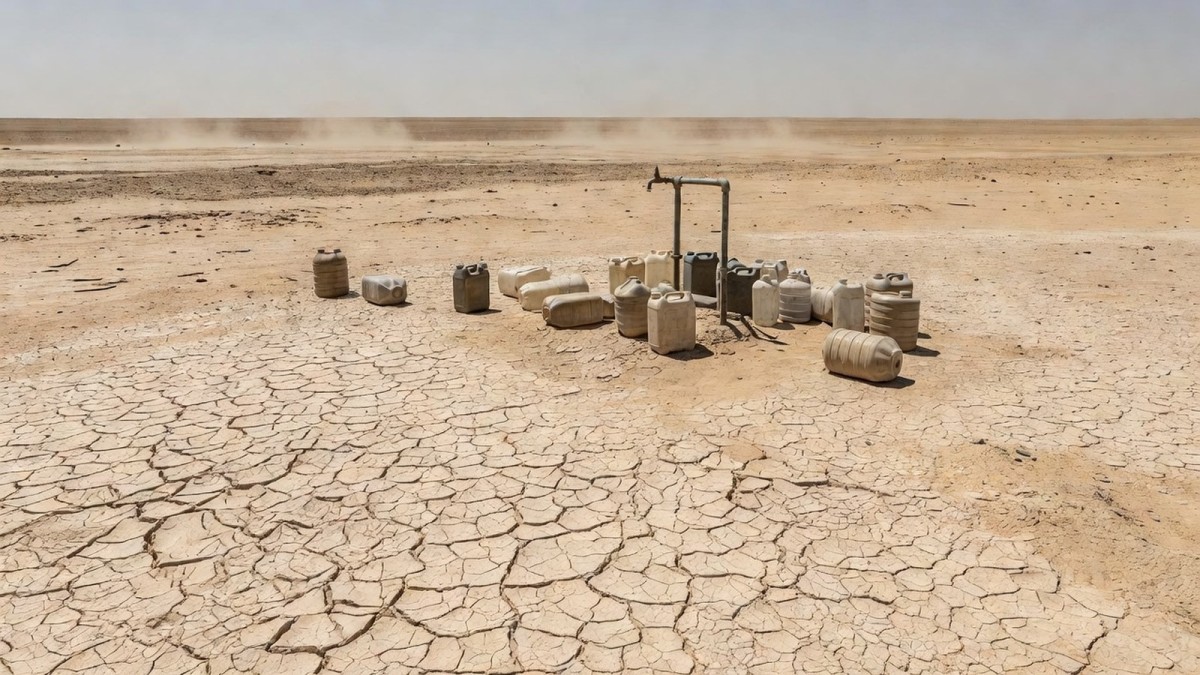
The government and industry regulators point to a familiar culprit: drought. Delayed seasonal rains in key pastoral and farming regions have reduced pasture, hampered production, and sent a chill through the dairy value chain. The Kenya Dairy Board (KDB), the industry regulator, has admitted to “supply constraints” and “low stock levels,” though it insists the situation is temporary. This is a significant admission for a nation that is one of the continent’s leading milk producers, where pasteurised milk is a staple in urban centres and raw or fermented milk remains a lifeline in rural areas.
The numbers paint a stark picture of decline. According to the KDB, formal milk deliveries to processors fell by 3.7% from 84.4 million litres in June to 81.3 million litres in July. Preliminary investigations suggest that deliveries declined even further in August. This is not a sudden collapse but a steady erosion of supply that has been building for months. The Consumer Federation of Kenya (Cofek) notes a downward trend since the beginning of the year, driven by the same climatic pressures that have withered grazing lands and pushed the cost of animal feed up by a staggering 45%. For the consumer, this translates to a jump in fresh milk prices from 70 to 80 Kenyan shillings (roughly $0.54 to $0.62) per litre—a burden that falls hardest on families already grappling with the cost of living.
Bernard Abok, a Nairobi resident, captures the daily frustration of the average shopper. “Sometimes when I go to the supermarket I find there is none,” he said. “When I do find some, the price has gone up. Today it is this price, tomorrow it has gone up again.” His experience is echoed by Patricia Gathoni, a mother who told reporters she is now forced to rethink what she gives her children. Faced with soaring prices and scarce supplies, she has resorted to adding water to the milk she manages to buy—a quiet, desperate act of household economising that speaks volumes about the strain on ordinary Kenyans.
Foreseeable and Avoidable?
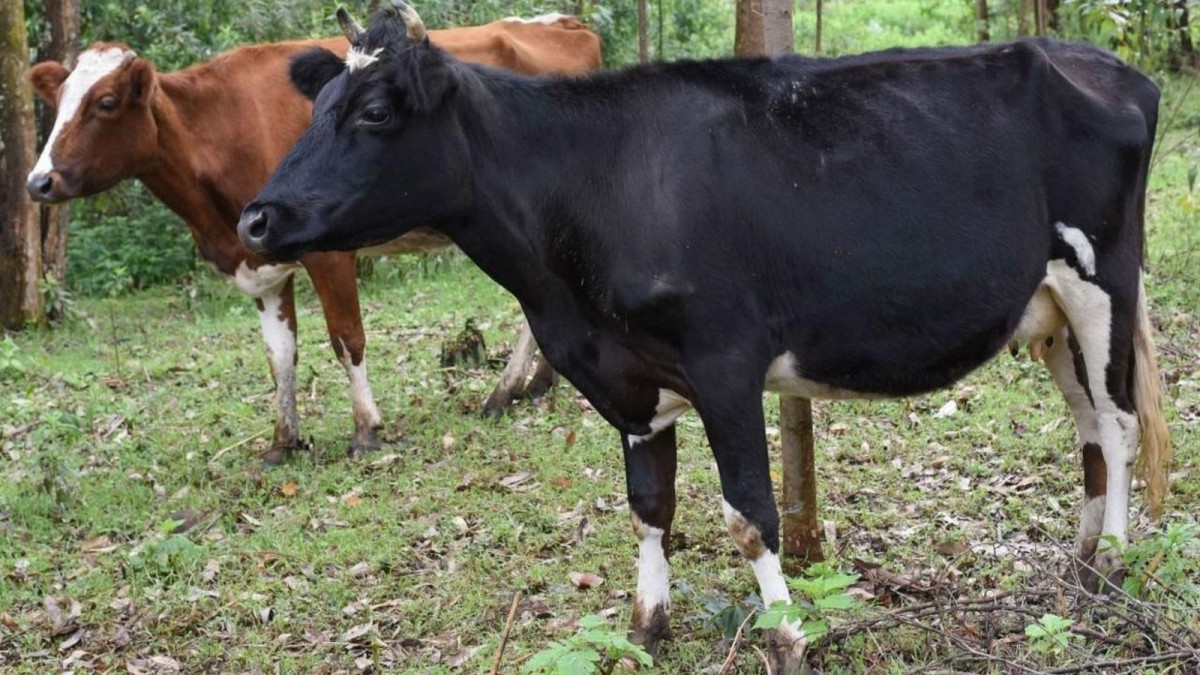
While the drought is a natural phenomenon, the severity of the current shortage has sparked a pointed debate about preparedness. Cofek, a prominent consumer watchdog, is not mincing words. In a statement that has resonated across the region, the federation declared that “this shortage was foreseeable, and in material part, avoidable.” Their argument centres on a missed opportunity: last year’s milk surplus. Cofek contends that the state-owned dairy processor New KCC and the KDB failed to adequately absorb the excess milk, which could have been converted into powder and stored as a strategic reserve for dry seasons.
“Had these buffers been in place, today’s supply shock would have been substantially cushioned,” Cofek said. This critique touches on a chronic pain point in African agriculture: the paradox of feast and famine. In good seasons, milk often goes to waste because of limited processing and storage capacity, and farmers complain bitterly about the paltry prices they receive for their perishable produce. In bad seasons, the lack of those same buffers leaves consumers exposed to price spikes and empty shelves. The federation is now demanding a comprehensive recovery plan that includes fodder and subsidy support for farmers, waiving taxes on animal feed inputs, and “active retail price monitoring to deter opportunity price gouging and rationing.”
The frustration has also given rise to unfounded conspiracy theories, with some shoppers suggesting that supermarkets are deliberately hoarding milk to inflate prices. While there is no evidence to support such claims, they reflect a deep-seated distrust and a sense of powerlessness among consumers who feel they are at the mercy of forces beyond their control. The reality, as officials describe it, is a more mundane but no less painful story of climatic vulnerability and supply chain fragility.
Government Response and the Search for Solutions
On Thursday, the pressure cooker of public discontent prompted action. Agriculture ministry officials met with dairy processors to map out a path forward. Jonathan Mueke, the ministry’s top livestock development official, outlined a two-pronged approach. The immediate focus is on getting more feed to farmers, including the duty-free importation of yellow maize to bridge the current gap. This is a critical lifeline for herders who have watched their livestock weaken as pasturelands turn to dust.
Looking further ahead, the government is exploring longer-term solutions to manage the perennial cycle of surplus and shortage. Mueke confirmed that officials are considering a fund to support the preservation of milk, which would allow the country to build the kind of strategic reserves that Cofek argues should have been in place. They are also contemplating the temporary importation of milk from neighbouring countries to ease the immediate crunch. This is a delicate balancing act for a government that must protect local farmers while also ensuring that urban consumers are not left without a basic commodity.
Kenya Dairy Board Managing Director William Maritim sought to reassure the public, describing the situation as a “temporary supply constraint.” He noted that milk continues to be available, though fresh pasteurised milk—which has a short shelf life—is more affected than long-life UHT products. For the average Kenyan, however, the distinction is cold comfort. The cultural preference for fresh milk in tea is deeply ingrained, and the sight of half-empty shelves in the chilled section is a daily reminder that the country’s dairy industry is under stress.
The Chai Economy and the Dignity of Farmers
This is not merely a story about a single commodity; it is a window into the broader challenges facing African food systems. The humble cup of chai—tea boiled with generous amounts of milk, often spiced with ginger—is a daily necessity for millions. It is served at meetings, social visits, and family gatherings. Its absence is felt not just in the stomach but in the rhythm of daily life. The current shortage is a stark reminder that food security is not just about having enough calories; it is about the stability and affordability of the foods that define a culture.
For the smallholder farmers who form the backbone of Kenya’s dairy sector, the crisis is a double-edged sword. While consumers complain about high prices, farmers often struggle to make a living, particularly when they are forced to sell their milk at rock-bottom prices during glut periods. The lack of investment in cold chains, processing facilities, and storage means that the system is perpetually vulnerable to shocks. The current drought has exposed these structural weaknesses with brutal clarity, and the calls for a more resilient approach are growing louder.
The government’s commitment to support farmers, stabilise milk supply, and protect consumers is a welcome first step, but the road ahead is long. The immediate need for feed and fodder is urgent, but the deeper challenge lies in building a system that can weather the inevitable cycles of drought and plenty. As Kenyans look at their empty cups and rising prices, they are not just asking where the milk has gone; they are asking how their nation—a leader in African dairy production—can find itself so vulnerable to the whims of the weather. The answer will require not just emergency measures, but a fundamental rethink of how the continent feeds itself, ensuring that the dignity of the farmer and the needs of the consumer are both protected.
By Amara Diop, Staff Writer
This article was produced with AI-assisted research and editorial support. Sources: BBC News Africa, Kenya Dairy Board, Consumer Federation of Kenya.
What's Your Reaction?
 Like
0
Like
0
 Dislike
0
Dislike
0
 Love
0
Love
0
 Funny
0
Funny
0
 Wow
0
Wow
0
 Sad
0
Sad
0
 Angry
0
Angry
0

West Africa/Sahel Correspondent at Global1.News. Dakar-based journalist covering politics, security, climate, and development across Francophone and Anglophone West Africa. Tells the stories of a region undergoing profound transformation.













Comments (0)