
Kenya confirms second Ebola case - a relative of the first victim
Kenya’s health ministry announced on Tuesday that a second case of Ebola has been confirmed, just ten days after the death of a Kenyan businessman who arrived from the Democratic Republic of Congo (DR Congo).
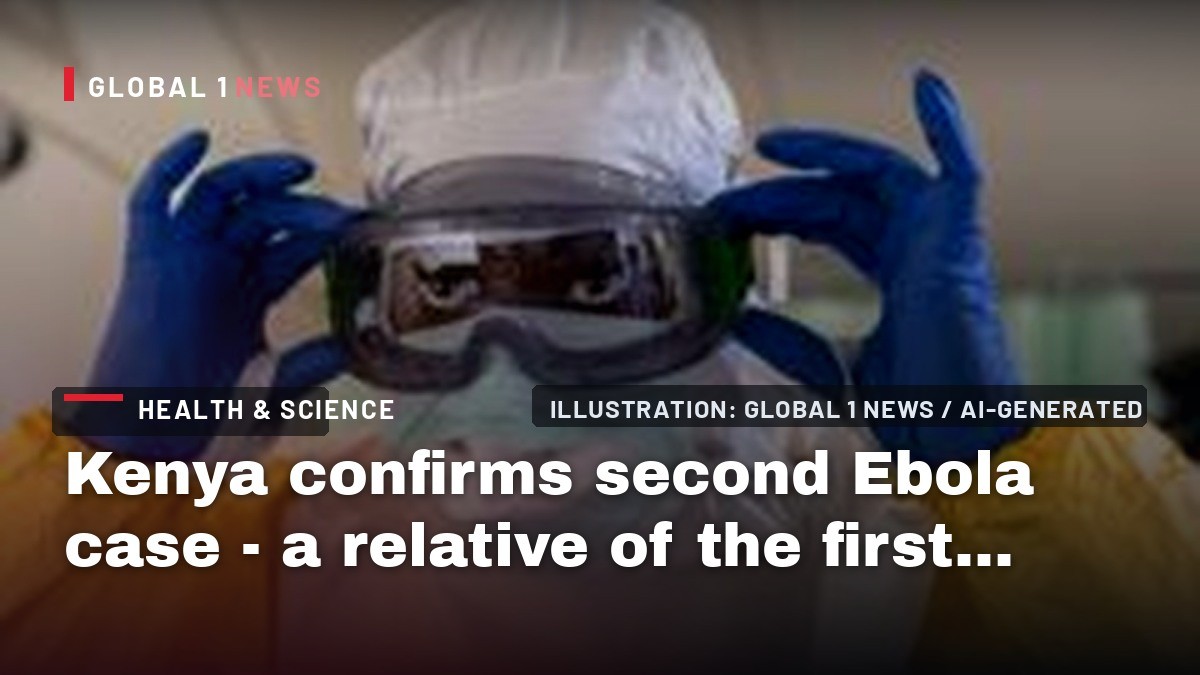
Kenya’s health ministry announced on Tuesday that a second case of Ebola has been confirmed, just ten days after the death of a Kenyan businessman who arrived from the Democratic Republic of Congo (DR Congo). The new patient, a 39‑year‑old man and close relative of the first victim, fell ill while already in quarantine, underscoring the fragile balance between early detection and the relentless spread of the virus in the region.
How the second case was identified
The ministry explained that the relative was already under observation when he began showing symptoms. Because he was being monitored, health officials were able to spot the illness quickly, a factor that “improved his chances of recovery and limited the chance of him passing the virus on to others,” the statement read. Early detection, they stressed, is crucial in a disease where the incubation period can stretch from two to twenty‑one days, meaning that someone exposed may not feel ill for weeks.
Officials urged the public to “stay calm but vigilant,” reminding Kenyans that both confirmed cases are linked and that there is “no evidence of spread in the wider community.” The ministry reiterated that Kenya remains open, with no restrictions on travel, trade or public gatherings, a stance that reflects the delicate task of maintaining economic stability while safeguarding public health.
The first victim’s journey and contact tracing
The first confirmed case was a 40‑year‑old Kenyan businessman who died on 5 October after being admitted to a Nairobi hospital. He had travelled from DR Congo, passed through Uganda, and entered Kenya without his illness being detected at any of the border or airport screenings. A relative had taken him to the capital shortly after picking him up at the airport, and he was diagnosed with Ebola only after his condition deteriorated.
Following his death, health officials traced his contacts and identified 128 individuals who had been exposed. By Tuesday, 113 of those contacts had been located, with 108 placed in quarantine within Kenya. Tracing of the remaining 15 continued, illustrating the massive logistical effort required to contain an outbreak that can spread through contact with infected bodily fluids such as blood or vomit.
Regional context: DR Congo’s ongoing outbreak
The current outbreak in DR Congo, which began in May, has already claimed more than 4,000 lives this year, making it the second most deadly Ebola outbreak on record. It is caused by the Bundibugyo species of the virus, a relatively rare strain for which no approved vaccine or treatment exists, although clinical trials are under way. The severity of the DR Congo situation provides a stark backdrop to Kenya’s own challenges, as the virus continues to move across porous borders.
Earlier in the year, the virus crossed into Uganda, resulting in two deaths before the World Health Organization declared the country free of Ebola in August. The cross‑border nature of the disease highlights the importance of regional cooperation and the limits of relying solely on temperature checks and self‑declarations at points of entry.
Health ministry’s public guidance
Kenya’s health ministry issued clear advice for anyone experiencing fever, unusual tiredness, muscle or joint pains, vomiting, diarrhoea, or unexplained bleeding: seek care promptly at the nearest health facility. This guidance reflects the ministry’s effort to empower citizens with knowledge while avoiding panic. By encouraging early reporting of symptoms, authorities hope to catch cases before they can seed wider transmission.
The ministry’s communication also emphasized that the two confirmed cases are linked, a detail meant to reassure the public that the virus has not yet taken root in the broader community. Such messaging is vital in a region where rumors about Ebola have previously fueled attacks on health workers and complicated response efforts.
Limitations of border screening
The Africa Centres for Disease Control and Prevention (Africa CDC) reconstructed the movements of the first Kenyan patient for the six weeks leading up to his death. Their findings revealed that the man first felt unwell on 15 September in DR Congo, yet several opportunities to detect the infection were missed, including multiple visits to Congolese medical facilities. He then travelled through Uganda to Kenya, evading detection at airport screenings despite the presence of temperature checks and self‑declaration forms.
Health experts point to this case as evidence that temperature checks alone cannot reliably identify Ebola carriers, especially when symptoms are still emerging. The reliance on self‑reporting also proves problematic, as travelers may conceal or misinterpret early signs of illness. These gaps underline the need for more robust screening protocols and better cross‑border health communication.
Community response and the human toll
Beyond the statistics, the human dimension of the outbreak is stark. Families of the victims are grappling with grief while trying to follow safe burial practices to prevent further spread. The BBC’s coverage highlighted the emotional burden on mourners learning how to grieve safely amid strict infection‑control measures. Such stories remind us that the fight against Ebola is as much about cultural sensitivity as it is about medical intervention.
In the broader African context, the outbreak has spurred a mixture of fear and resilience. Communities are adapting to new health advisories, and health workers continue to risk their lives to provide care, even as rumours sometimes fuel hostility toward them. The delicate balance between respecting local customs and enforcing public‑health measures remains a central challenge for responders.
Looking ahead: containment and preparedness
Kenya’s swift quarantine of the second patient and the extensive contact‑tracing effort demonstrate a proactive stance, yet the situation remains precarious. With the incubation period extending up to three weeks, health officials must continue monitoring the remaining contacts and remain vigilant for any signs of community transmission.
The broader regional picture calls for sustained collaboration among the health ministries of Kenya, Uganda, and DR Congo, as well as continued support from the World Health Organization and Africa CDC. While the Bundibugyo strain lacks an approved vaccine, ongoing trials offer a glimmer of hope for future prevention. In the meantime, the emphasis on early detection, transparent communication, and community engagement will be the cornerstone of Kenya’s effort to keep the virus at bay.
This article was produced with AI-assisted research and editorial support. Reporting is based on the source material cited below. Sources: BBC News Africa; bbc.co.uk; Global1.News (15 October 2026).
By Amara Diop, Staff Writer
What's Your Reaction?
 Like
0
Like
0
 Dislike
0
Dislike
0
 Love
0
Love
0
 Funny
0
Funny
0
 Wow
0
Wow
0
 Sad
0
Sad
0
 Angry
0
Angry
0

West Africa/Sahel Correspondent at Global1.News. Dakar-based journalist covering politics, security, climate, and development across Francophone and Anglophone West Africa. Tells the stories of a region undergoing profound transformation.














Comments (0)