
Pope's cancer diagnosis leaves Catholics questioning what comes next
When the Vatican announced that Pope Leo XIV had undergone a 90‑minute operation to remove a lower lobe of his right lung, the news reverberated far beyond the marble walls of the Holy See.
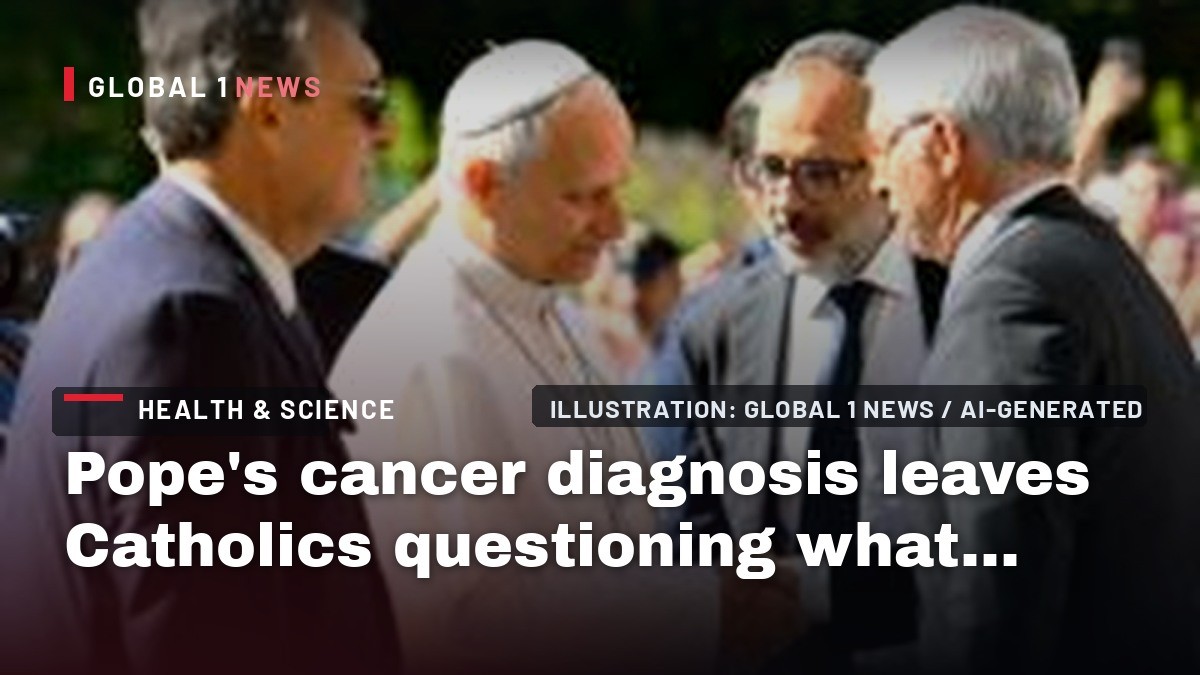
When the Vatican announced that Pope Leo XIV had undergone a 90‑minute operation to remove a lower lobe of his right lung, the news reverberated far beyond the marble walls of the Holy See. The 71‑year‑old pontiff, whose health had been a private matter until a recent discovery of a lung nodule, now faces a diagnosis of lung adenocarcinoma. For Catholics across Latin America – a region where the papacy’s words often echo in streets, churches, and community meetings – the revelation raises urgent questions about the future of a pontificate that has already been marked by a blend of moral clarity and measured reform.
From Secrecy to Transparency: A New Era of Papal Health Disclosure
The Vatican’s approach to papal health has evolved dramatically from the guarded silence of past centuries. In the case of Pope Leo XIV, the first public acknowledgment came only after doctors identified a nodule, followed swiftly by the announcement of surgery and a cancer diagnosis. This shift toward openness, while still limited in detail, signals a break from the “secrecy of the past” that once left the faithful in the dark about their leader’s condition.
Yet the transparency offered so far leaves many wondering what comes next. The Vatican has not disclosed prognosis, treatment plans, or the timeline for recovery. For a pontiff whose public persona includes a disciplined routine of weekly tennis matches and a reputation for “good habits,” the uncertainty surrounding his health introduces a new variable into the rhythm of the Church’s global agenda.
Health and Habit: The Pope’s Personal Discipline
Pope Leo XIV, a member of the Order of St Augustine, has consistently emphasized the importance of habit – both spiritual and physical. His weekly tennis games, a seemingly modest detail, illustrate a broader commitment to personal well‑being that underpins his public ministry. This focus on routine has become part of his image as a leader who “places great importance in good habits, including when it comes to health and fitness.”
The recent surgery, however, forces a reassessment of how such habits can be maintained. Recovery from lung surgery typically demands rest, limited physical exertion, and careful monitoring of respiratory health. The Pope’s ability to resume activities like tennis, or even the demanding travel schedule of a modern pontiff, now hinges on medical advice that remains undisclosed.
Travel Uncertainty: The South American Trip in Question
One of the most immediate concerns for Latin America is the fate of Pope Leo XIV’s planned November visit to the region, which includes a stop in Peru – a country he called “home for more than 20 years.” The itinerary would involve high‑altitude locations, a factor that poses particular risks after lung surgery. The source notes “the dangers surrounding air travel soon after lung surgery, and the high altitude of some of the stops involved,” suggesting that the trip could be postponed or altered.
For millions of Catholics across Brazil, Colombia, Mexico, and beyond, a papal visit is more than a ceremonial event; it is a moment of spiritual solidarity and a platform for the Pope to address regional challenges. The uncertainty surrounding his travel underscores how personal health can ripple through the broader fabric of Catholic life in Latin America.
Legacy of Reform: Pope Leo XIV’s Moral Voice
Since his election, Pope Leo XIV has positioned himself as a “powerful, uncompromising and compassionate moral voice on the world stage.” His outspoken stance on war, migrant dignity, and the emerging dangers of artificial intelligence has resonated deeply in a continent grappling with conflict, migration flows, and rapid technological change. The source highlights his “clarity” on these issues, which has helped bridge divides within a Church that has often seemed fragmented.
Both progressive and traditionalist factions have found something to admire in his leadership, describing him as a voice that reflects their own concerns. This rare cross‑sectarian appeal has allowed him to begin the delicate work of “bringing closer together different factions of a Church that had seemed somewhat divided.” The question now is whether his health challenges will slow this momentum or, conversely, intensify his resolve to act.
Potential Shifts in Pace and Policy
Speculation is already circulating about whether the cancer diagnosis will prompt a change in the Pope’s “pace in implementing changes he sees as necessary.” The source notes that Pope Leo XIV’s first year and a half have been marked by a “measured, thoughtful and discerning” approach, emphasizing stability over dramatic doctrinal shifts. Yet the urgency of personal health may compel him to prioritize certain initiatives or, alternatively, to adopt a more cautious stance.
Any abrupt doctrinal moves would appear “out of character” for a pontiff who has so far favored incremental progress. Nonetheless, the very act of confronting a life‑threatening illness could sharpen his focus on issues he deems urgent, such as the plight of migrants or the ethical implications of AI. The balance between personal recovery and public responsibility will shape the next phase of his papacy.
Historical Echoes: Comparing with Pope Francis
The source draws a parallel with Pope Francis, who once reflected that he began his papacy expecting only a few years, given his own “health complications throughout his life.” Francis’s early acknowledgment of limited time set a tone of urgency that propelled a series of “fairly radical change” within the Church. Pope Leo XIV, while not yet vocal about the length of his reign, inherits a legacy of leaders who have had to reconcile personal frailty with institutional ambition.
Francis’s experience suggests that health crises can become catalysts for decisive action. Whether Pope Leo XIV will follow a similar path remains uncertain, but the comparison underscores a pattern: papal health disclosures often precede periods of intensified focus on core priorities, as the pontiff seeks to leave a lasting imprint despite physical constraints.
What Lies Ahead: Faith, Uncertainty, and the Road to Recovery
For the faithful across Latin America, the Pope’s diagnosis is a stark reminder of human vulnerability at the highest levels of religious authority. The Vatican’s limited communication – “few details so far” – leaves space for both hope and anxiety. While the surgery was described as “successful,” the absence of information about prognosis fuels speculation about the future of his agenda.
In the weeks to come, the Church will watch closely how Pope Leo XIV balances recovery with his responsibilities. The potential postponement of his South American trip, the possible recalibration of his reformist pace, and the personal resolve he brings from his disciplined lifestyle will all play out on a stage that blends spiritual leadership with very real human fragility. As Latin American Catholics await further news, the underlying question remains: how will a Pope who has championed stability navigate the instability that illness inevitably brings?
This article was produced with AI-assisted research and editorial support. Reporting is based on the source material cited below. Sources: BBC News Latin America; bbc.co.uk; Global1.News (15 October 2026).
By Elena Vasquez, Staff Writer
What's Your Reaction?
 Like
0
Like
0
 Dislike
0
Dislike
0
 Love
0
Love
0
 Funny
0
Funny
0
 Wow
0
Wow
0
 Sad
0
Sad
0
 Angry
0
Angry
0
Latin America Correspondent at Global1.News. Based in Mexico City, covering politics, economics, energy, and culture across the region. Brings an on-the-ground perspective to stories spanning from the Rio Grande to Patagonia.











Comments (0)