
South Africa’s Garden Route is becoming more than a holiday destination
South Africa’s Garden Route, long celebrated for its sun‑kissed beaches and weekend getaways, is quietly undergoing a transformation that could reshape the region’s demographic and economic landscape.
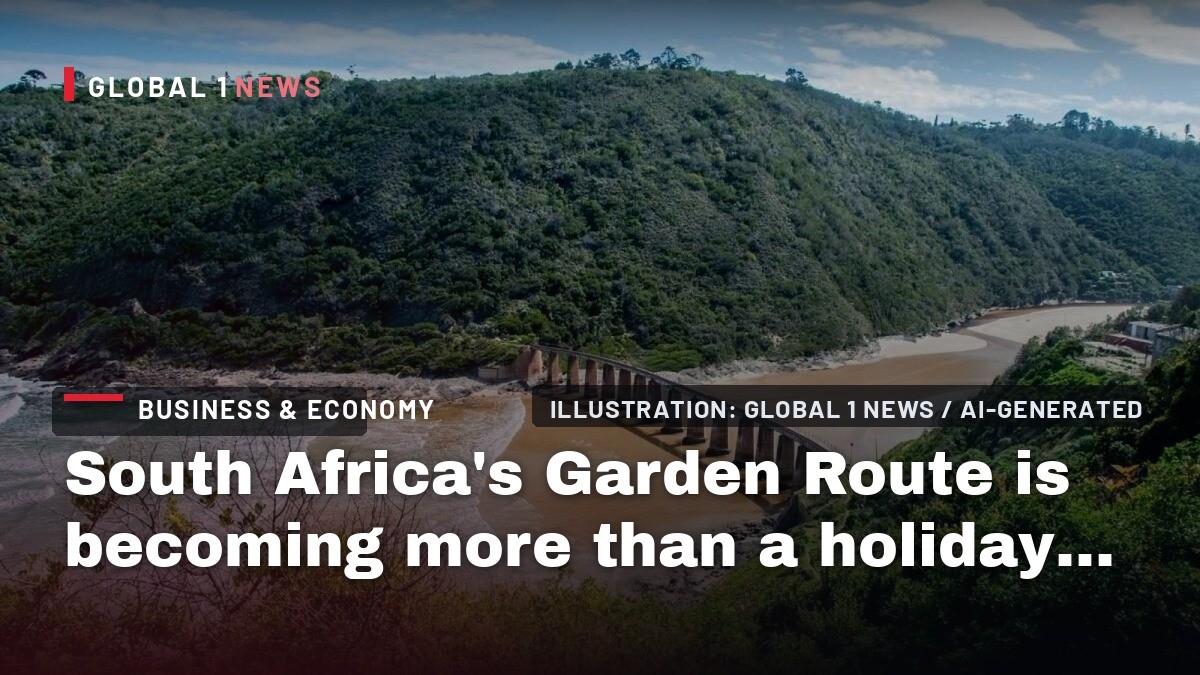
South Africa’s Garden Route, long celebrated for its sun‑kissed beaches and weekend getaways, is quietly undergoing a transformation that could reshape the region’s demographic and economic landscape. Recent insights from Pam Golding Properties reveal a growing tide of buyers shifting from the traditional holiday‑home mindset to a desire for permanent residence. From the bustling streets of George to the tranquil inlets of Knysna, the lure now extends beyond surf and sand to include healthcare, schools, security and a lifestyle that promises a slower, more connected pace of life. This shift mirrors broader trends across the country, where South Africans are re‑evaluating where they call home, and it carries implications for everything from local schools to the hospitality sector.
From Holiday Havens to Permanent Homes
The narrative of the Garden Route has always been one of leisure – a string of coastal towns offering second homes for city‑dwelling professionals. Yet the data tells a different story today. When Thesen Island was first developed about 25 years ago, roughly 80 % of the properties were classified as holiday homes. Pam Golding’s latest figures show a noticeable rise in owners now living in those same properties year‑round. This change is not merely anecdotal; it reflects a broader re‑orientation of buyer priorities, with long‑term lifestyle considerations taking centre stage over short‑term holiday convenience.
Buyers are no longer content with a weekend escape; they are looking for a full‑time address that offers the comforts of urban infrastructure while retaining the natural beauty that first attracted them. The shift is being driven by a mix of domestic relocators from other parts of the Western Cape and South Africa at large, as well as an influx of international purchasers seeking a stable, scenic base in the country.
Healthcare and Education as New Cornerstones
One of the most compelling draws for permanent settlement is the region’s expanding healthcare network. Prospective residents cite proximity to quality medical facilities as a decisive factor, especially retirees and families with aging parents. Coupled with this, the presence of reputable schools and a growing array of educational options is influencing younger families to consider the Garden Route as a viable long‑term home base.
Security and retirement amenities also feature prominently in buyer surveys. Gated developments and retirement villages, particularly in Mossel Bay and Knysna, are being marketed not just as holiday enclaves but as secure, community‑focused environments. The promise of a safe, well‑maintained neighbourhood, combined with access to essential services, is reshaping the perception of the Garden Route from a seasonal playground to a full‑fledged residential hub.
Regional Diversity: From Mossel Bay to George
The Garden Route is not a monolith; each town offers a distinct flavour of property market and lifestyle. Mossel Bay, for instance, blends coastal living with gated communities and family‑friendly homes. Modern three‑bedroom houses can be found for under R4 million, presenting an attractive entry point for middle‑income buyers seeking a seaside lifestyle without the premium price tag of more exclusive enclaves.
George, meanwhile, serves as the commercial and service heart of the region. Its airport and well‑developed infrastructure make it a strategic base for those who need reliable connectivity to surrounding towns. The town’s property offerings range from sectional‑title apartments starting around R1.5 million to freehold homes beginning at about R2.5 million, though the latter are limited in supply. This mix of accessibility, employment opportunities and varied housing stock positions George as a magnet for permanent residents seeking both convenience and a gateway to the broader Garden Route.
Nature‑Centred Living in Wilderness and Knysna
For buyers whose priorities tilt toward outdoor recreation and natural scenery, Wilderness stands out. Nestled against the Outeniqua Mountains, the area appeals to those who value proximity to hiking trails, river activities and unspoiled landscapes. While the article does not list specific price points for Wilderness, the emphasis on nature suggests a market catering to lifestyle‑driven purchasers rather than purely investment‑focused buyers.
Knysna, once dominated by holiday properties, is now witnessing a surge in permanent residency. Vacant land parcels start just under R1 million, while sectional‑title apartments typically range from R1.2 million to R4 million and beyond. The town’s blend of waterfront charm, burgeoning amenities and emerging retirement facilities makes it a compelling choice for those seeking a balanced lifestyle that marries leisure with everyday practicality.
Plettenberg Bay’s Development Surge
Plettenberg Bay remains a hotspot for holidaymakers, yet it is also undergoing a significant residential construction boom. Approximately 800 residential units are currently in various stages of development, indicating a robust pipeline of new housing. This influx of supply is likely to diversify the market further, offering options that cater to both short‑term visitors and long‑term inhabitants.
Property options in Plettenberg Bay include vacant plots starting around R1.3 million and sectional‑title units beginning just over R1 million. The price range suggests an accessible entry point for middle‑income buyers, while the ongoing development activity hints at future growth in infrastructure, retail, and community services to support a growing resident base.
Luxury and the Upper End of the Market
While the majority of the narrative centres on middle‑income families and retirees, the Garden Route also accommodates a high‑end market. Luxury properties, described as running into tens of millions of rand, continue to attract affluent buyers seeking exclusive coastal estates with panoramic ocean views. These premium homes, often situated in coveted locales like Knysna and Plettenberg Bay, underscore the region’s ability to cater to a wide socioeconomic spectrum.
The presence of such high‑value assets contributes to the overall economic vitality of the area, stimulating luxury retail, high‑end hospitality and specialized service sectors. Even as the market expands to include more permanent residents, the allure of ultra‑luxury living ensures that the Garden Route retains its status as a prestigious address on the South African property map.
Implications for the Wider South African Property Landscape
The migration of buyers to the Garden Route for permanent settlement signals a broader shift in South African residential preferences. As more South Africans seek a balanced lifestyle that combines natural beauty with essential services, regions traditionally viewed as holiday destinations are being re‑imagined as viable long‑term homes. This trend could influence policy decisions around infrastructure investment, especially in health and education, as local authorities respond to growing resident numbers.
Moreover, the diversification of the property market—from affordable three‑bedroom homes in Mossel Bay to ultra‑luxury estates—offers developers a wider canvas to tailor projects to distinct buyer segments. The ripple effect may also be felt in the tourism sector, as the line between visitor and resident blurs, prompting a re‑evaluation of service offerings to accommodate a more permanent clientele.
This article was produced with AI-assisted research and editorial support. Reporting is based on the source material cited below. Sources: The South African; thesouthafrican.com; Global1.News (16 October 2026).
By Dante Williams, Staff Writer
What's Your Reaction?
 Like
0
Like
0
 Dislike
0
Dislike
0
 Love
0
Love
0
 Funny
0
Funny
0
 Wow
0
Wow
0
 Sad
0
Sad
0
 Angry
0
Angry
0

Breaking News and Investigations Correspondent at Global1.News. Based in London, covering global breaking news, security, and investigative stories. Known for digging deeper and connecting the dots across continents.













Comments (0)