
Judge Mehta Vacates Oath Keepers Jan. 6 Convictions, Rhodes Conviction Overturned
For more than four years, the January 6 seditious conspiracy prosecutions stood as the legal system's most serious answer to the attack on the Capitol. On Tuesday, that answer collapsed. A federal judge wiped away the seditious conspiracy convictions that had made Stewart Rhodes the face of January 6 accountability. Judge Mehta Vacates Oath Keepers Jan. 6 Cases Washington, D.C. — On Tuesday, August 4, 2026, U.S. District Judge Amit P.
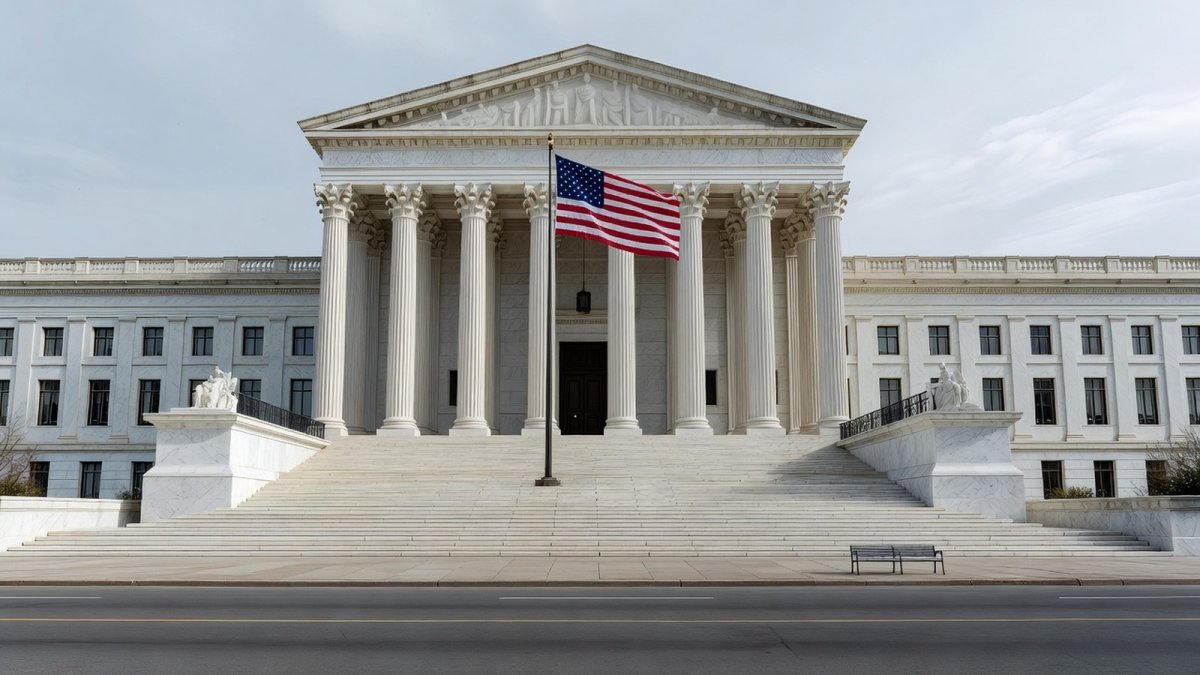
For more than four years, the January 6 seditious conspiracy prosecutions stood as the legal system's most serious answer to the attack on the Capitol. On Tuesday, that answer collapsed. A federal judge wiped away the seditious conspiracy convictions that had made Stewart Rhodes the face of January 6 accountability.
Judge Mehta Vacates Oath Keepers Jan. 6 Cases
Washington, D.C. — On Tuesday, August 4, 2026, U.S. District Judge Amit P. Mehta granted the Justice Department's request to dismiss the seditious conspiracy cases against members of the right-wing Oath Keepers militia who took part in the January 6, 2021 attack on the U.S. Capitol. The ruling vacates the convictions of Oath Keepers founder Stewart Rhodes and other members of the group who were convicted of seditious conspiracy for plotting to stop the transfer of power after Donald Trump lost the 2020 election. Nine defendants total faced these cases, and all nine had already been freed from prison as part of Trump's sweeping move to pardon nearly all of the roughly 1,600 people charged in the attack and commute the prison sentences of the remaining defendants.
The Ruling
Judge Amit P. Mehta did not mince words even as he followed the law. He granted the dismissal on August 4, 2026, but made clear he strongly disagreed with the Trump Justice Department's decision. Prosecutors had the authority to drop the cases, yet Mehta made no secret of his anger at the move. He wrote that the outcome excuses criminal acts tied directly to the January 6 attack.
The stakes sit right in front of us. Mehta presided over the two seditious conspiracy trials in 2022 and 2023. He saw the evidence firsthand. Now the same judge had to sign off on ending those prosecutions. The ruling marks another chapter in the unraveling of January 6 cases under the current administration. Accountability that once looked solid is being rolled back step by step.
Who Stewart Rhodes Is
Stewart Rhodes founded the Oath Keepers in 2009 as a far-right anti-government militia. The group positioned itself to resist what it saw as federal overreach. Rhodes was arrested in Texas in January 2022. His organization became central to the seditious conspiracy prosecutions because of its role in the January 6 events. The plot involved staging weapons outside Washington and preparing for what Rhodes called a bloody fight to keep Trump in power. That background matters because it shows the organized intent behind the actions that day.
People need to remember how rare these charges are. Seditious conspiracy is a Civil War-era statute that prosecutors do not pull out often. When they do, it signals serious allegations of plotting against the government. Rhodes and his group crossed that line according to the convictions that stood until this week. The dismissal does not erase the history. It simply removes the legal consequences that followed.
The Seditious Conspiracy Verdict
Mehta oversaw the trials that produced those verdicts. Rhodes was convicted at trial in November 2022. In May 2023, Mehta sentenced him to 18 years in prison, the longest sentence handed to any January 6 defendant at the time. Other top Oath Keepers received lesser prison terms after their jury trials. The convictions rested on evidence that the group planned to disrupt the peaceful transfer of presidential power. Nine defendants in total were part of these seditious conspiracy cases.
The verdicts sent a clear message at the time: organized efforts to challenge the election outcome through force would face serious federal charges. Now those outcomes have been vacated. The reversal changes the precedent for future attempts to interfere with power transfers.
Seditious conspiracy charges trace back to the Civil War period, when Congress crafted the statute to address organized plots against federal authority during a time of open rebellion. Prosecutors have invoked it sparingly since then, typically reserving it for cases where evidence shows coordinated intent to disrupt government functions rather than spontaneous acts. Juries in these matters must weigh detailed records of planning sessions, communications, and logistics, which raises the bar for conviction compared to standard riot or trespass charges.
The verdicts here underscored how federal courts treat allegations of structured resistance to constitutional processes. Once a jury accepts the narrative of deliberate interference, the outcome reinforces boundaries around collective action aimed at altering election results or halting certification. That precedent now sits in a different light after the cases ended, illustrating how trial-level findings can be set aside without revisiting the underlying evidence.
Pardons and Commutations
President Trump commuted those prison sentences on his first day in office in January 2025. He also pardoned more than 1,500 people charged in the January 6 attack. All nine Oath Keepers defendants in the seditious conspiracy cases had already been freed before this latest dismissal. The commutations and pardons cleared the path for the Justice Department to request full dismissal of the remaining cases. The administration moved to wipe the records clean rather than leave convictions in place.
This sequence shows a consistent approach. First the sentences ended, then the convictions themselves followed. The nine defendants walked free earlier, but the legal findings against them lingered until August 4, 2026. Now even those findings are gone. The process reveals how executive power can reshape the consequences of the Capitol attack years later.
Presidential clemency authority stems directly from the Constitution and has long allowed chief executives to shorten sentences or erase convictions for broad policy reasons, from post-war reconciliation to shifting enforcement priorities. Commutations typically end prison time while leaving the conviction intact, whereas full pardons clear the legal record and restore rights. The sequence in this matter followed that pattern, with early releases paving the way for later requests to dismiss remaining counts.
This approach demonstrates how one administration can use executive tools to unwind prosecutions launched under prior leadership. Historical examples show similar moves after periods of intense political division, where incoming officials seek to reset the legal landscape rather than let earlier cases linger as symbols. The result is a clean break from the prior enforcement phase without requiring new legislation or court battles over the original facts.
'Unearned Grace': The Judge's Words
Mehta did not stay silent about his disagreement. He wrote that today's epilogue diminishes the gravity of that day, denigrates the work of the prosecutors and law enforcement officers who secured these convictions, and excuses criminal acts that caused a centuries-long pillar of our democracy – the peaceful transfer of presidential power – to buckle. He added that the court cannot write a different ending. Those words land with force because they come from the judge who ran the trials.
Mehta also criticized the administration's request for bestowing unearned grace on the Oath Keepers defendants by wiping their records clean. The harassment rationale has no place here, he stated plainly. He strongly disagreed with the decision to drop the cases yet concluded prosecutors held the authority to do so. The contrast between his criticism and his legal ruling highlights the limits of judicial power once the executive branch acts.
What the Dismissal Means
The dismissal removes the seditious conspiracy findings against all nine defendants. Rhodes and the others no longer carry those convictions on their records. The move follows the earlier release of every defendant through pardons and commutations. It closes the chapter on these specific prosecutions even though the underlying events of January 6 remain part of the historical record. The Justice Department chose this path, and the court accepted it despite clear objections from the bench.
The practical effect is straightforward. No more seditious conspiracy liability for these Oath Keepers members. The rare charge that once carried heavy sentences now carries nothing. This outcome affects how future cases involving organized challenges to elections might be viewed. The legal system has spoken twice, first with convictions and now with dismissal.
Once a court grants a government motion to dismiss after clemency, the seditious conspiracy findings no longer appear on the defendants' records, removing any collateral consequences tied to those specific convictions. Basic legal process allows prosecutors wide latitude to drop cases they no longer wish to pursue, even when the presiding judge voices strong reservations about the timing or rationale. The practical outcome is that future background checks, licensing, or civil proceedings will treat the matter as if the charges never reached final judgment.
That shift alters the deterrent signal sent by the original trials. Organized groups contemplating challenges to power transfers now see a pathway where convictions can be nullified through executive action rather than overturned on appeal or retrial. The legal system effectively closes the book on these prosecutions while leaving the historical record of events untouched.
The Bigger Picture
This ruling fits into the broader unraveling of January 6 prosecutions under the second Trump administration. Nearly everyone charged in the attack has received a pardon, and the remaining sentences were commuted. The Oath Keepers cases represent the high-water mark of those prosecutions because of the seditious conspiracy charges and the lengthy sentences that followed. Their dismissal signals that even the most serious cases can be reversed through executive action.
The peaceful transfer of power took a direct hit on January 6, 2021. The convictions once stood as a response to that hit. Now the response itself has been withdrawn. The facts remain unchanged, but the consequences have been erased. That shift carries long-term weight for how the country treats organized efforts to disrupt constitutional processes. The story continues, and the next chapters will show whether similar reversals follow for other defendants.
The January 6 investigation ranked among the largest domestic probes in Department of Justice history, drawing on thousands of tips, video hours, and witness statements to build cases across multiple districts. Seditious conspiracy stood out as the most serious charge pursued, reflecting the scale of coordination alleged in select groups. Its removal from the books fits a pattern of executive reversals that have touched nearly every defendant charged in the Capitol events.
Such reversals highlight the tension between judicial accountability and presidential power to reshape consequences years later. The peaceful transfer of power remains a foundational norm, yet the legal response to its disruption can be dialed back without altering the underlying facts. Observers will watch whether similar actions extend to other remaining cases or whether this marks the outer limit of post-conviction relief in this episode.
By Jessica Ali, Staff Writer
This article was produced with AI-assisted research and editorial support. Reporting is based on sources cited in the article.
What's Your Reaction?
 Like
0
Like
0
 Dislike
0
Dislike
0
 Love
0
Love
0
 Funny
0
Funny
0
 Wow
0
Wow
0
 Sad
0
Sad
0
 Angry
0
Angry
0

Editor-in-Chief at Global1.News. Atlanta-based journalist who cuts through the BS and tells it like it is. Lead anchor, host, and the voice you hear when the spin stops and the truth starts.















Comments (0)