
LaLiga: Mbappe disobeys Mourinho’s order amid injury issues
Real Madrid’s star forward Kylian Mbappé has once again found himself at the centre of a debate that stretches far beyond the football pitch. He added, “You cannot ski.
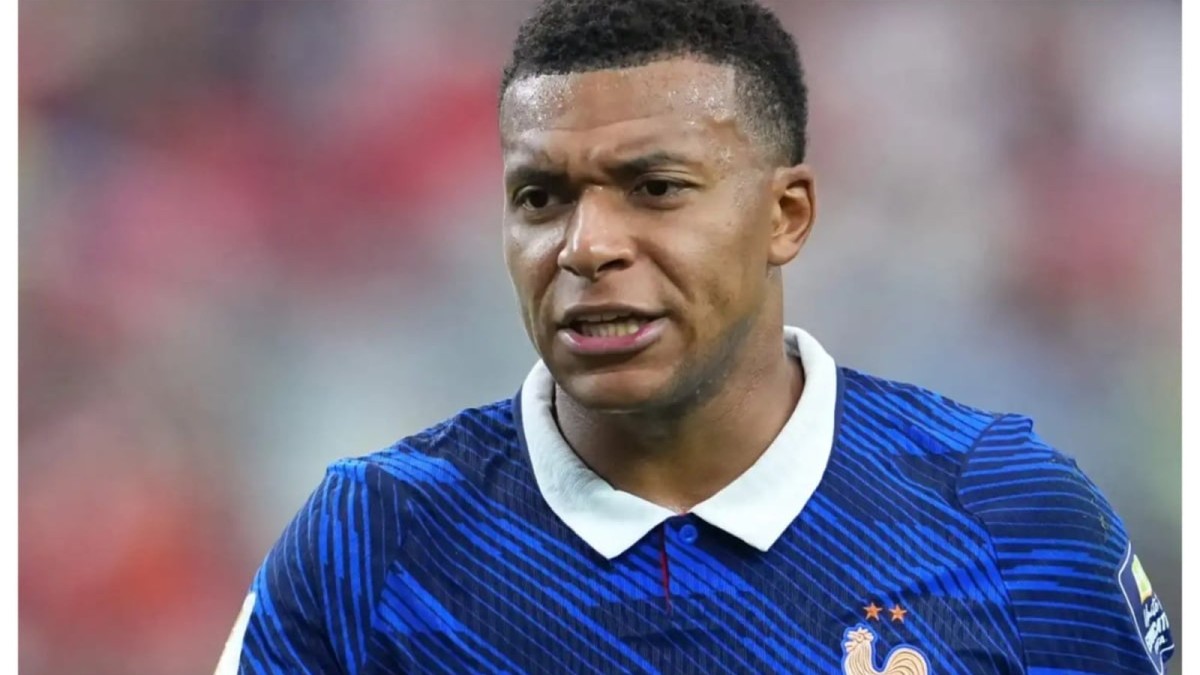
Real Madrid’s star forward Kylian Mbappé has once again found himself at the centre of a debate that stretches far beyond the football pitch. In a recent Instagram story, the French striker was seen cycling through the streets, helmet on, smiling at the camera – a seemingly innocuous pastime that has sparked a fresh clash with his club manager, José Mourinho. The incident is not merely a question of personal freedom; it highlights the growing tension between elite athletes’ private lives and the rigorous demands placed on them by clubs, national teams and the ever‑watchful media. As the story unfolds, it offers a lens through which we can examine broader trends in professional sport across Africa and the continent at large, where the balance between player welfare and performance expectations is an increasingly delicate one.
From the locker room to the Instagram feed
Only a few days before Mbappé posted his cycling video, Mourinho took to the “Bet It Drives” show to lay down a strict rule: players were not to ride bicycles, citing the risk of injury. “You are a football player 24 hours a day,” the Portuguese manager warned, emphasizing how every aspect of a player’s life – from diet to leisure activities – must reflect the demands of the job. He added, “You cannot ski. You cannot ride a bike. You fall off your bike, and you don’t play three matches maybe, or maybe worse, maybe you break a leg.” The manager’s admonition was clear – the modern footballer’s body is a high‑value asset, and any unnecessary risk is deemed unacceptable.
Yet Mbappé’s Instagram story, posted on a Sunday, showed him defying that directive, cycling with a helmet and a grin. The image resonated with fans, many of whom saw a human side to the superstar, but it also raised eyebrows among club officials who are tasked with safeguarding player fitness. The tension between a player’s personal autonomy and a manager’s protective policies is not new, but the public nature of the defiance – amplified by social media – adds a fresh dimension to the debate.
The injury backdrop
Mbappé’s decision to cycle comes at a particularly sensitive time. The French forward is currently sidelined after suffering a hyperextension of his left knee during France’s match against Türkiye on 25 September. The injury, sustained during the international break, led to his release from the national squad. While the exact recovery timeline remains uncertain, the incident underscores the fragility of a player’s physical condition and the heightened scrutiny that follows any setback.
In the context of Mourinho’s warning, the timing of Mbappé’s cycling video appears almost paradoxical. The manager’s caution was rooted in the very real possibility that a simple fall could exacerbate an existing injury or trigger a new one, potentially costing the club valuable playing time. For a club like Real Madrid, where the stakes are perpetually high, such concerns are amplified. Yet the player’s choice to share a moment of normalcy may also be read as an attempt to maintain morale and mental health during a period of enforced rest.
Player welfare versus performance pressure
The clash between Mourinho and Mbappé reflects a broader conversation about player welfare that is resonating across African football leagues. Clubs in Nigeria, South Africa and Egypt, for instance, are increasingly grappling with the need to protect their assets while also respecting the personal freedoms of their athletes. The debate often centres on the fine line between reasonable precaution and over‑regulation.
In many African contexts, the stakes are similarly high. A single injury can jeopardise a player’s livelihood and the financial health of a club that may rely heavily on star performances to attract sponsorship and fan support. Consequently, managers and medical staff often impose strict lifestyle guidelines, echoing Mourinho’s stance. Yet the growing influence of social media gives players a platform to push back, sharing personal moments that humanise them and sometimes challenge the rigidity of club policies.
The role of social media in modern sport
Mbappé’s Instagram story is a vivid illustration of how social media reshapes the athlete‑manager dynamic. In the past, disciplinary matters were largely handled behind closed doors, with limited public visibility. Today, a single post can spark widespread discussion, drawing in fans, journalists and even sponsors. The immediacy of platforms like Instagram means that players can directly shape their narrative, for better or worse.
For African journalists, this shift offers both opportunities and challenges. On one hand, the ability to capture real‑time reactions provides richer storytelling material. On the other, it demands careful verification and contextualisation, especially when dealing with high‑profile incidents that can quickly become sensationalised. The Mbappé episode underscores the need for balanced reporting that acknowledges both the managerial concerns and the player’s perspective.
Implications for club discipline and contract clauses
Instances like Mbappé’s cycling video often prompt clubs to revisit contractual clauses related to player conduct. Many elite clubs include specific provisions that restrict risky activities – a practice that is mirrored in several African leagues where clubs embed similar clauses to protect their investments. Mourinho’s public admonition can be seen as an effort to reinforce such contractual expectations, reminding players that their personal choices have professional repercussions.
When a player publicly contravenes a manager’s directive, it can lead to disciplinary measures ranging from fines to temporary suspensions. While the source material does not detail any immediate sanctions against Mbappé, the incident sets a precedent that could influence future policy enforcement both at Real Madrid and within other clubs observing the fallout.
Broader cultural reflections
The episode also invites reflection on the cultural expectations placed on athletes in the global arena. In many African societies, sport stars are viewed not only as entertainers but as national symbols and role models. Their conduct, both on and off the field, is often scrutinised through a moral lens that extends beyond pure performance. Mbappé’s choice to ride a bike, a simple act of leisure, becomes a focal point for discussions about responsibility, discipline and the right to personal enjoyment.
Moreover, the conversation highlights a generational shift. Younger athletes, raised in a digital age, are accustomed to sharing slices of their lives online, blurring the line between private and public. Managers like Mourinho, who come from an earlier era of football, may find this cultural shift challenging, as the traditional expectations of absolute dedication clash with modern notions of work‑life balance.
Looking ahead: what this means for Mbappé and Real Madrid
As Mbappé continues his rehabilitation from the knee hyperextension, the immediate focus will be on his recovery timeline and his return to competitive action. The manager’s earlier warning about cycling suggests that any further incidents could be viewed through a lens of caution, potentially influencing the club’s approach to his training and off‑field activities. For the player, navigating the expectations of a demanding manager while maintaining personal well‑being will be a delicate balancing act.
For Real Madrid, the episode serves as a reminder of the complex interplay between player autonomy, media scrutiny and club discipline. It also offers a case study for African clubs seeking to manage similar situations – illustrating the importance of clear communication, consistent policy enforcement, and an understanding of the evolving role of social media in shaping athlete narratives. As the football world watches Mbappé’s next steps, the broader conversation about how much of a player’s life can be regulated will continue to evolve, reflecting the changing dynamics of sport in the 21st century.
This article was produced with AI-assisted research and editorial support. Reporting is based on the source material cited below. Sources: Daily Post Nigeria; dailypost.ng; Global1.News (06 October 2026).
By Sarah Okafor, Staff Writer
What's Your Reaction?
 Like
0
Like
0
 Dislike
0
Dislike
0
 Love
0
Love
0
 Funny
0
Funny
0
 Wow
0
Wow
0
 Sad
0
Sad
0
 Angry
0
Angry
0

Africa Correspondent at Global1.News. Based in Lagos, covering politics, business, technology, and culture across the continent. Focused on telling African stories beyond the headlines — the innovation, entrepreneurs, and communities shaping the region's future.









Comments (0)