
Gaza’s Winter Crisis Deepens as US Moves to Tighten Iran Blockade
In the latest Al Jazeera English Take episode, correspondents Ibrahim al‑Khalili, Heidi Zhou‑Castro, Resul Serdar and Nour Odeh painted a stark picture of Gaza’s humanitarian plight 394 days after a ceasefire was declared.
In the latest Al Jazeera English Take episode, correspondents Ibrahim al‑Khalili, Heidi Zhou‑Castro, Resul Serdar and Nour Odeh painted a stark picture of Gaza’s humanitarian plight 394 days after a ceasefire was declared. The report underscored that, despite the ceasefire, Israel has killed at least 1,610 Palestinians in the past week and the cumulative death toll since the October 7, 2023 attacks now stands at 74,640. As winter descends on the enclave, the lack of shelter and the looming threat of a harsher US‑Iran blockade have added new layers of urgency to an already volatile regional tableau.
Ceasefire Anniversary Marks a Grim Milestone
The Al Jazeera Take highlighted that the ceasefire, announced almost 400 days ago, has failed to translate into tangible relief for Gaza’s civilian population. While the formal cessation of hostilities was meant to open a window for humanitarian assistance, the report notes that Israeli forces have continued to inflict casualties, with 1,610 Palestinians killed in the most recent week alone. This figure, presented alongside the broader death toll of 74,640 since October 7, underscores a persistent pattern of violence that has outlived the ceasefire’s original intent.
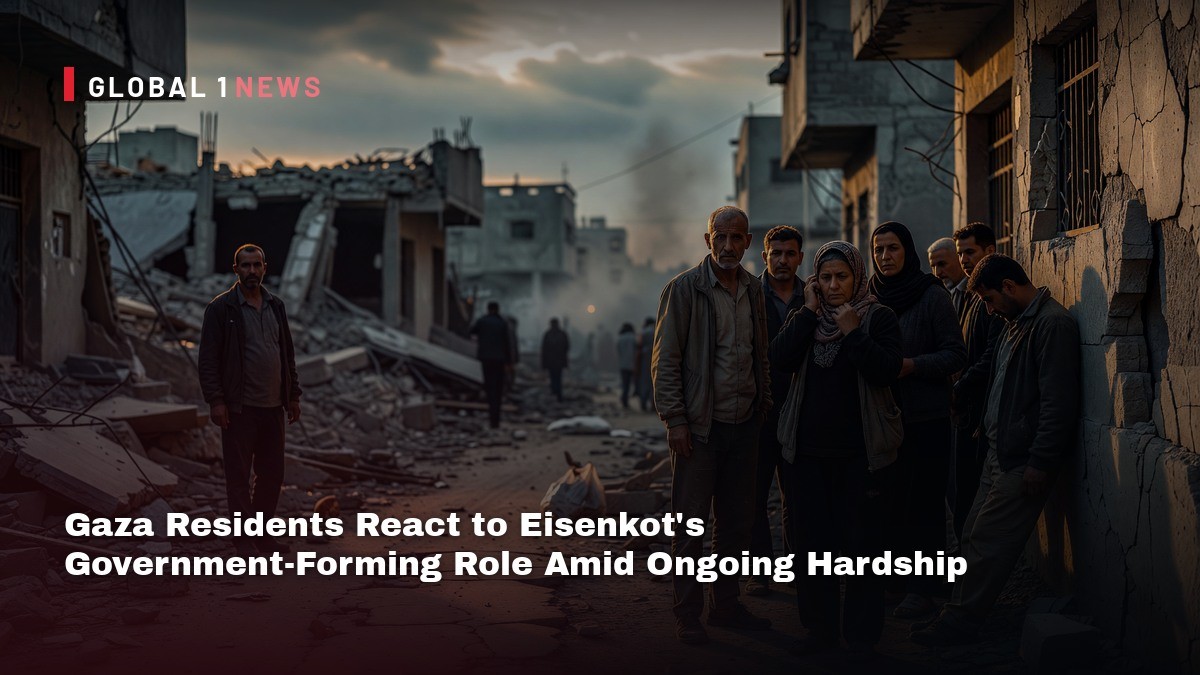
Correspondents on the ground described a landscape of shattered homes, makeshift tents and a population bracing for a harsh winter without adequate shelter. The video footage showed rows of canvas structures crowded together, a visual testament to the displacement that has become a defining feature of Gaza’s current reality. The lack of permanent housing, combined with dwindling supplies, has turned the winter months into a season of heightened vulnerability.
From an analytical perspective, the continued loss of life despite the ceasefire raises questions about the enforcement mechanisms that were supposed to accompany the agreement. The Al Jazeera team suggested that the ceasefire’s fragility is linked to the broader political impasse surrounding the formation of a new Israeli government, a process that began concurrently with the ceasefire’s declaration. The ongoing political transition in Israel appears to have created a vacuum in decisive leadership, allowing military operations to persist under the guise of security concerns.
Humanitarian Collapse: Tents, Cold and Scarcity
The footage of tents flooding the Gaza landscape serves as a stark visual metaphor for the humanitarian collapse. With winter approaching, the report emphasized that many of these temporary shelters lack basic heating, insulation or even sufficient space for families to live safely. The correspondents noted that the winter without shelter is not a hypothetical scenario but an imminent reality for thousands of Gazans.
Beyond the physical discomfort, the report hinted at the cascading effects of shelter scarcity on health outcomes. Overcrowded tents increase the risk of disease transmission, while exposure to cold temperatures can exacerbate existing health conditions. Although the video did not provide specific health statistics, the narrative aligns with broader understandings of how winter conditions amplify humanitarian crises in conflict zones.
From a regional perspective, the Al Jazeera team connected Gaza’s shelter crisis to the larger pattern of displacement across the Middle East, where protracted conflicts have forced millions into temporary accommodations. The Gaza situation, however, is unique in its intensity and the speed with which the winter season is set to compound existing hardships.
US Policy Shift: A New Blockade on Iran’s Land Borders
In a parallel development, the Take reported that the United States announced a plan to further tighten its blockade of Iran, specifically targeting land borders. While the video did not elaborate on the precise mechanisms of this new blockade, the mention of a “further blockade” signals an escalation in US policy aimed at curbing Iran’s regional influence and its support networks.
The timing of this announcement, coinciding with the anniversary of the Gaza ceasefire, suggests a broader strategic calculus. By tightening pressure on Iran, the US may be seeking to limit Tehran’s ability to supply arms or financial support to groups operating in Gaza and other conflict zones. The Al Jazeera correspondents implied that this move could have ripple effects across the region, potentially reshaping the dynamics of proxy conflicts.
From an African viewpoint, the US‑Iran blockade carries indirect implications for the continent. Many African nations maintain diplomatic and economic ties with Iran, and heightened sanctions could disrupt trade flows, especially in sectors such as agriculture and energy where Iranian expertise has been sought. Moreover, the blockade may influence the geopolitical calculations of African countries that navigate relationships with both Western powers and Middle Eastern actors.
Israeli Political Transition and Its Regional Impact
The Take highlighted that the process of forming a new Israeli government has begun, a development that adds another layer of uncertainty to the Gaza situation. The formation of a new cabinet often involves coalition negotiations that can shift policy priorities, especially concerning security and humanitarian considerations.
Correspondents noted that the ongoing political negotiations could either open a window for renewed diplomatic engagement or entrench hardline positions that perpetuate the status quo. The lack of a stable governing coalition may also explain the continued military actions despite the ceasefire, as different factions within Israel vie for influence and leverage in the peace process.
Analytically, the Israeli political transition must be viewed within the broader context of Middle Eastern politics, where leadership changes can trigger shifts in regional alliances. For African nations observing these developments, the Israeli political landscape remains a key variable in understanding the future of peace initiatives, especially those involving multilateral bodies that include African representation.
Humanitarian Data and the Need for International Action
The Al Jazeera report, while focusing on the stark numbers of casualties and displacement, also implicitly called for a renewed international response. The cumulative death toll of 74,640 Palestinians since October 7, alongside the recent weekly deaths, underscores a humanitarian emergency that has persisted for over a year.
From the perspective of Global1.News, the data presented in the Take serves as a sobering reminder that humanitarian assistance must go beyond short‑term relief. The winter shelter crisis, for instance, demands coordinated efforts to provide insulated housing, heating solutions and medical support to prevent a secondary health disaster.
International actors, including the United Nations, the European Union and African regional bodies, are therefore urged to reassess their engagement strategies. The report’s emphasis on the ongoing casualties suggests that diplomatic pressure alone may be insufficient without concrete measures to protect civilians and ensure the delivery of aid.
Looking Ahead: Scenarios for Gaza and the Region
Drawing on the insights from the Al Jazeera Take, several plausible scenarios emerge for Gaza’s immediate future. If the US blockade on Iran’s land borders takes effect, Iran’s capacity to support Gaza could be further constrained, potentially reducing the flow of weapons but also limiting humanitarian assistance routed through Iranian channels.
Simultaneously, the formation of a new Israeli government could either open diplomatic channels for a renewed ceasefire or entrench a more hardline stance that prolongs the conflict. The continued high casualty figures suggest that any shift in policy will need to be swift and decisive to prevent further loss of life.
For African observers, the intertwining of these developments highlights the interconnectedness of regional conflicts and global geopolitics. The winter shelter crisis in Gaza is not an isolated tragedy but part of a broader tapestry of humanitarian challenges that demand coordinated, data‑driven responses from the international community, including African nations that have historically championed peaceful resolution and human rights.
By Sarah Okafor, Staff Writer
This article was produced with AI-assisted research and editorial support. Reporting is based on the source material cited below. Sources: Al Jazeera English video report (08 November 2026); Al Jazeera English; Global1.News
What's Your Reaction?
 Like
0
 Dislike
0
 Love
0
 Funny
0
 Wow
0
 Sad
0
 Angry
0

Africa Correspondent at Global1.News. Based in Lagos, covering politics, business, technology, and culture across the continent. Focused on telling African stories beyond the headlines — the innovation, entrepreneurs, and communities shaping the region's future.










Comments (0)