
Police clash with Cockroach Party supporters amid rising youth protests in India
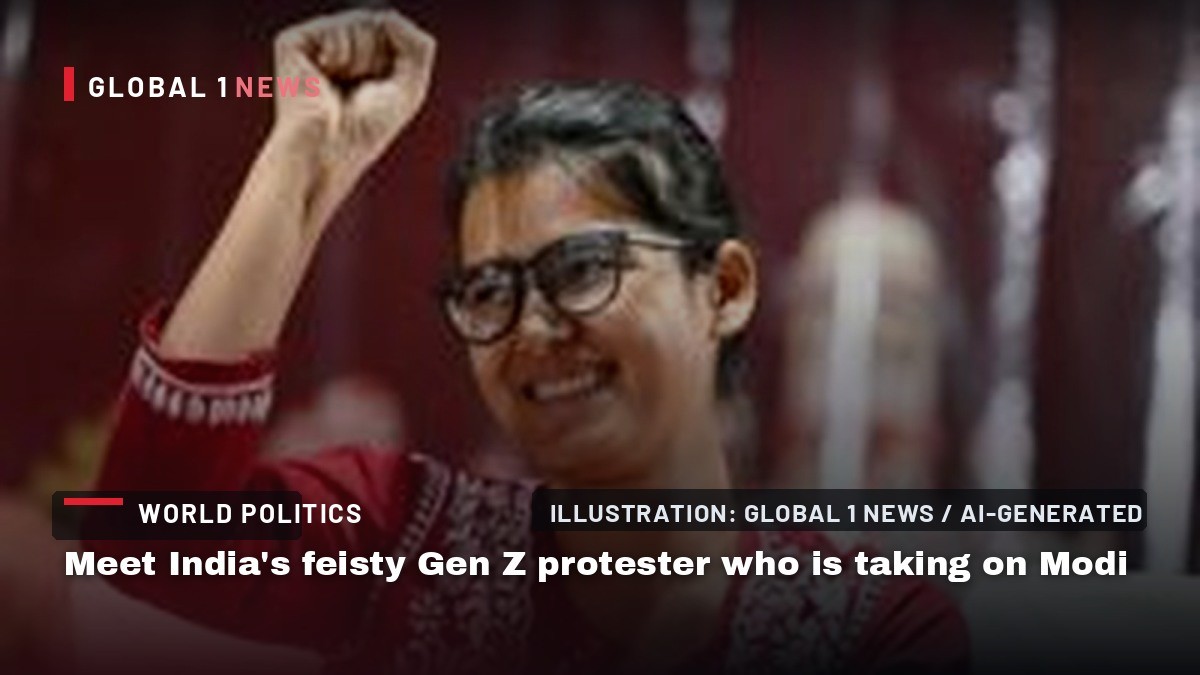
In a video released by CBC News on 10 October 2026, footage shows police forces across India moving to detain leaders and supporters of the Cockroach Janta Party, a political group that has attracted a noticeable following among the country's Gen Z population.
In a video released by CBC News on 10 October 2026, footage shows police forces across India moving to detain leaders and supporters of the Cockroach Janta Party, a political group that has attracted a noticeable following among the country's Gen Z population. The report highlights a rapid escalation in confrontations between law‑enforcement agencies and young activists, signalling a broader trend of youth‑led dissent that is resonating far beyond the subcontinent. While the video itself offers limited detail beyond the arrests and the visible tension, the broader implications for democratic practice, civil liberties and the role of young people in political mobilisation merit careful examination, particularly for Canadian readers who are watching the unfolding events from Parliament Hill to their own university campuses.
Background to the Cockroach Janta Party movement
The Cockroach Janta Party, as presented in the CBC footage, appears to be a relatively new political formation that has tapped into the energy and frustration of India's younger generation. The party's name, unusual in the context of Indian politics, has become a rallying point for a demographic that feels under‑represented by traditional parties. The video does not provide a detailed manifesto, but the very fact that police across the country are targeting its leaders suggests that the movement has achieved a level of organisation sufficient to attract governmental attention.
Observers note that the party's rapid rise is part of a wider pattern of youth‑driven activism seen in several large democracies. In Canada, similar dynamics have unfolded on university campuses and in municipal protests, where young Canadians have mobilised around climate action, Indigenous rights and affordable housing. The Indian scenario, as captured by CBC, underscores how digital communication tools enable rapid mobilisation, allowing a generation that is comfortable with online platforms to translate virtual support into street‑level demonstrations.
Although the video does not enumerate specific policy demands, the very act of detaining supporters points to a perception among Indian authorities that the Cockroach Janta Party poses a challenge to the status quo. In Canadian terms, any movement that prompts a coordinated police response is likely to be scrutinised for its adherence to democratic norms, including the right to peaceful assembly and freedom of expression. The footage therefore serves as a visual reminder that the balance between security and civil liberties is a delicate one, especially when the participants are predominantly young citizens.
The scale of the police response
The CBC report indicates that police actions were not confined to a single city but were reported as occurring "across India." While the video does not list exact locations, the phrasing suggests a nationwide coordination, implying that the authorities view the Cockroach Janta Party as a national concern rather than a localized protest. This breadth of response mirrors earlier instances in Canada where federal and provincial law‑enforcement agencies have collaborated on matters deemed to threaten public order, such as coordinated raids on organized crime networks.
Detentions of leaders and supporters, as shown in the footage, raise questions about the legal basis for such actions. In Canada, any arrest must be supported by reasonable and probable cause, and individuals are entitled to prompt judicial review. The video does not disclose whether Indian police presented warrants or invoked specific statutes, leaving observers to wonder about the procedural safeguards in place. The lack of detail underscores the importance of transparent reporting, a principle that Canadian journalists uphold to ensure accountability.
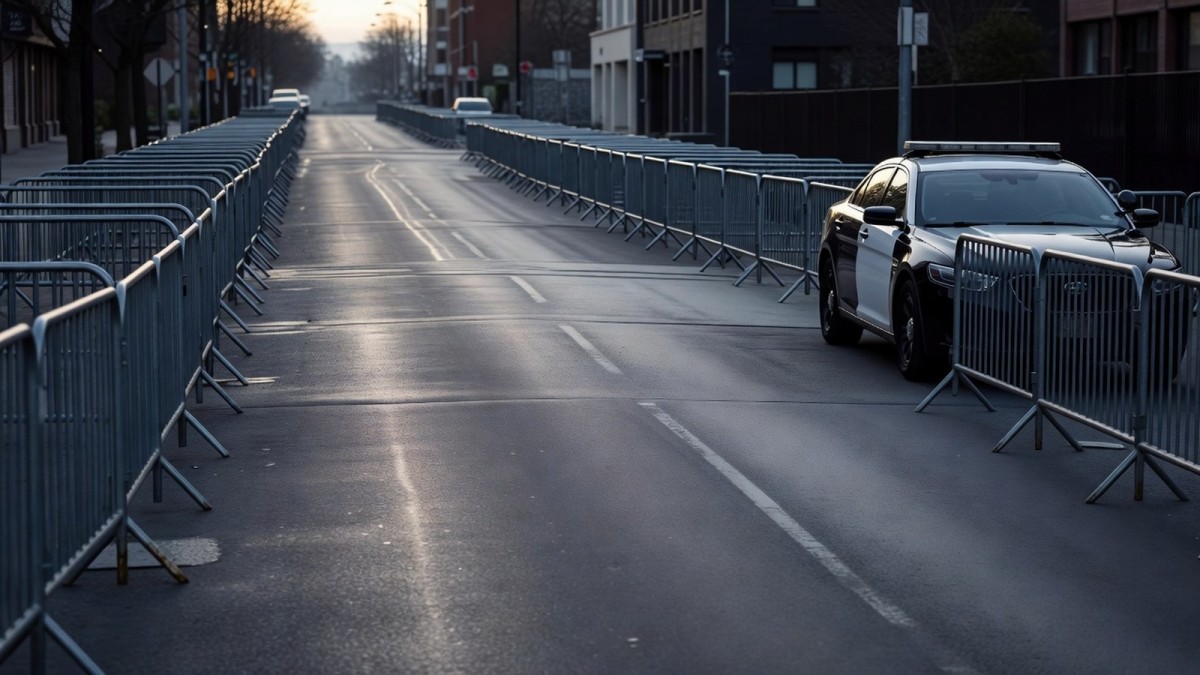
Beyond the immediate arrests, the visual evidence of police confronting protestors—often a tense and potentially volatile encounter—highlights the risk of escalation. In the footage, officers are seen moving in formation, suggesting a prepared stance rather than a spontaneous reaction. This level of preparedness can be interpreted as a signal from the government that it intends to deter further gatherings, a tactic not unfamiliar to Canadian authorities when dealing with large‑scale demonstrations that threaten public safety.
Implications for India's Gen Z political engagement
The emergence of the Cockroach Janta Party as a Gen Z‑led movement reflects a broader shift in how young people in India are seeking to influence the political landscape. The CBC video, while focused on the police crackdown, indirectly points to a generation that is increasingly willing to organise around unconventional symbols and messages. This mirrors a global trend where youth activism is less tethered to traditional party structures and more inclined towards issue‑based coalitions.
For Canadian readers, the relevance lies in the shared experience of young Canadians navigating a political system that can appear unresponsive to their concerns. The Indian crackdown may serve as a cautionary tale about the limits of state tolerance for dissent, prompting reflection on how Canadian institutions protect—or sometimes restrict—youth expression. The Canadian Charter of Rights and Freedoms enshrines freedoms that are tested when governments perceive a movement as a threat, and the Indian example reinforces the need for vigilance in defending those rights.
Moreover, the visibility of the Cockroach Janta Party in international media, as demonstrated by CBC's coverage, could inspire similar movements within Canada. The symbolic power of a name that resonates with everyday life—cockroaches being ubiquitous and resilient—offers a metaphor for persistence in the face of adversity. While the video does not elaborate on the party's policy platform, its very existence signals that young people are seeking new avenues to be heard, a phenomenon that Canadian policymakers cannot ignore if they wish to maintain political relevance among the next generation.
Comparative perspective: youth protests and state response
When placed alongside recent youth‑led protests in Canada—such as climate strikes, Indigenous solidarity marches and campaigns for affordable housing—a pattern emerges of governments balancing the right to protest with concerns about public order. The Indian police response, as captured in the CBC footage, appears more forceful, with detentions reported across the nation. In Canada, while law‑enforcement agencies have occasionally used dispersal tactics, the legal framework typically requires a higher threshold of justification before mass arrests are carried out.
These differences are partly rooted in constitutional and legislative contexts, but they also reflect divergent political cultures. Canada's federal system, with distinct provincial jurisdictions, often results in varied approaches to protest management. The Indian scenario, as portrayed, suggests a more centralized directive, with police acting in concert across multiple regions. This centralisation can amplify the impact of a crackdown, potentially stifling dissent more comprehensively than a fragmented response.
Nevertheless, both contexts illustrate the tension between state authority and popular mobilisation. The CBC video serves as a reminder that the dynamics of protest are not confined by borders; the strategies employed by governments to manage dissent can have ripple effects, influencing how activists in other democracies conceive of resistance. Canadian activists, observing the Indian crackdown, may draw lessons about the importance of legal preparedness, media engagement and coalition‑building to safeguard their movements.
Media coverage and the role of international reporting
The CBC report, succinct as it is, plays a vital role in bringing the Indian developments to a Canadian audience. By embedding the video as the hero of the article, Global1.News follows the same practice, ensuring that viewers can witness the confrontation directly. This visual evidence adds credibility to the narrative and allows Canadian readers to assess the situation without relying solely on second‑hand accounts.
International coverage of domestic unrest also influences diplomatic considerations. While the video does not mention any official statements from the Indian government or from Canadian officials, the mere act of reporting can shape public opinion and, by extension, foreign policy discourse. In Canada, parliamentary committees occasionally examine human rights concerns abroad, and media reports often serve as catalysts for such scrutiny. The CBC footage, by highlighting police detentions, could prompt discussions in the House of Commons about Canada's stance on civil liberties in partner nations.
Furthermore, the video description underscores CBC's long‑standing commitment to informing Canadians about global events. This aligns with Global1.News' own mandate to provide balanced, evidence‑based reporting. By adhering to a measured tone and avoiding sensationalism, the article respects the journalistic standards expected by Canadian audiences, while still conveying the seriousness of the police‑protester clash.
Looking ahead: potential trajectories for the movement
While the CBC footage captures a moment of heightened tension, the longer‑term trajectory of the Cockroach Janta Party remains uncertain. The immediate effect of police detentions may be to disrupt organisational capacity, yet history shows that repression can also galvanise support, especially among younger demographics. In Canada, similar patterns have been observed when authorities clamp down on protests, sometimes leading to larger, more coordinated demonstrations.
The next steps for the movement will likely depend on its ability to adapt to the crackdown. If leaders are able to communicate with supporters through digital channels, they may sustain momentum despite physical arrests. Conversely, sustained pressure from law‑enforcement could fragment the group, reducing its influence. The video does not provide insight into the internal dynamics of the party, leaving analysts to watch for future developments, such as new forms of protest, legal challenges, or shifts in public sentiment.
For Canadian observers, the unfolding situation offers a case study in how youthful political energy can intersect with state power. It underscores the importance of robust legal frameworks that protect the right to dissent while ensuring public safety. As the story develops, continued coverage by outlets like CBC and Global1.News will be essential to maintain an informed public discourse, both at home and abroad.
By Alex Thompson, Staff Writer
This article was produced with AI-assisted research and editorial support. Reporting is based on the source material cited below. Sources: CBC News video report (10 October 2026); CBC News; Global1.News
What's Your Reaction?
 Like
0
Like
0
 Dislike
0
Dislike
0
 Love
0
Love
0
 Funny
0
Funny
0
 Wow
0
Wow
0
 Sad
0
Sad
0
 Angry
0
Angry
0

Canada Correspondent at Global1.News. Based in Toronto, covering Canadian politics, energy, trade, and US-Canada relations. Provides the Canadian perspective on North American and global affairs.










Comments (0)