
Grassroots football programme builds stronger pathway for young footballers
In the parish of St Andrew, Grenada, a fresh wave of hope is sweeping across the football fields. Building a coordinated pathway for youth football The programme’s core ambition is to bridge the gap that has long existed between training sessions and regular competitive matches.
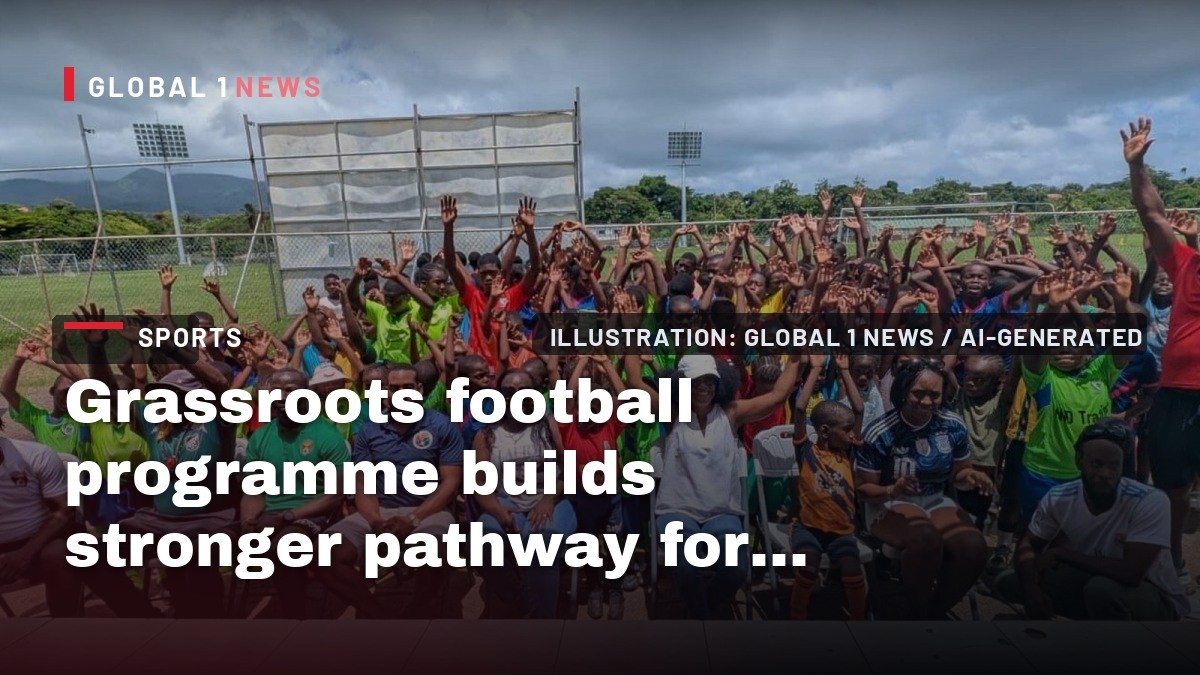
In the parish of St Andrew, Grenada, a fresh wave of hope is sweeping across the football fields. The St Andrew Grassroots Football Programme, launched on 19 September 2026, is stitching together academies, coaches, clubs and communities to forge a more coordinated pathway for young athletes. While the Caribbean region wrestles with rising living costs and the challenges of keeping its youth engaged in positive pursuits, this initiative offers a vivid illustration of how sport can become a conduit for development, discipline and community cohesion.
Building a coordinated pathway for youth football
The programme’s core ambition is to bridge the gap that has long existed between training sessions and regular competitive matches. As coach Jake Rennie explained, “Our players train a lot, but they hardly play.” By organising weekend fixtures across the villages of St Andrew, the initiative ensures that young players can apply the skills they acquire in training to real‑game situations, sharpening both technical ability and competitive instincts.
This approach reflects a broader strategy championed by the St Andrew Parish Sports Council and the Grenada National Sports Council: to create a seamless progression from school‑yard kickabouts to club competition and ultimately to national representation. By linking existing academies rather than establishing a new, isolated entity, the programme seeks to standardise coaching methods and developmental pathways, a move that could raise the overall standard of football in the parish and feed the national teams with better‑prepared talent.
Community‑driven matches as a catalyst for skill development
Weekend matches are more than just games; they are practical laboratories where young athletes test their training in a competitive environment. The regularity of these fixtures means players can experience diverse opposition, fostering adaptability and resilience. Moreover, the community‑based nature of the matches encourages local supporters to rally around their youth, reinforcing a sense of belonging and pride.
For many families in St Andrew, the cost of living has tightened household budgets, making affordable leisure activities a priority. The grassroots programme, by offering free or low‑cost match opportunities, provides a valuable outlet for children and teenagers, diverting them from potential negative influences and promoting healthier lifestyles through sport.
Leadership and vision from local sports bodies
Chairperson Javin Noel of the St Andrew Parish Sports Council underscored the programme’s alignment with the council’s longstanding commitment to grassroots development. He highlighted that the initiative is not a stand‑alone tournament but a collaborative framework designed to ensure that “young players are exposed to similar coaching approaches and developmental pathways.” This uniformity is crucial for talent identification and for ensuring that promising athletes receive consistent guidance regardless of the academy they belong to.
Noel also stressed sustainability, noting that the programme must transcend a one‑off event. By embedding the initiative within the existing structures of the parish and national sports councils, there is a stronger chance that the benefits will ripple through future generations, creating a lasting legacy rather than a fleeting flash of activity.
Health, safety and social benefits of grassroots sport
Dr Tessa St Cyr, a prominent advocate for youth development, framed the programme as a “movement of hope and potential.” She highlighted that sport offers safe spaces where young people can forge friendships, stay physically active and develop life‑skills such as teamwork and discipline. In a region where youth unemployment and social challenges are pressing concerns, these intangible benefits are as vital as any on‑field success.
Dr St Cyr’s remarks also touch on a broader Caribbean narrative: sport as a vehicle for social cohesion. By providing structured, supervised environments, programmes like this can mitigate the allure of crime and anti‑social behaviour, contributing to safer neighbourhoods and stronger community ties.
Political endorsement and gender inclusivity
Hon. Kate Lewis‑Peters, MP for St Andrew North East, welcomed the programme’s inclusive ethos, particularly the participation of both boys and girls. “We are breaking barriers, and that is very important,” she affirmed, noting that discipline and sustainability are key outcomes of such initiatives. Her support signals political recognition of sport’s role in youth empowerment and gender equity.
Gender inclusivity is further reinforced by statements from Grenada Football Association Technical Director Alister Fleming, who encouraged girls and young women to join the programme. By actively welcoming female participants, the initiative challenges traditional gender norms in Caribbean sport and opens pathways for women to excel in football, both locally and potentially on the international stage.
Coaches as community mentors
The dedication of coaches like Jake Rennie and countless volunteers underpins the programme’s success. Their willingness to invest time and expertise reflects a deep-rooted community spirit that is characteristic of Caribbean societies. As Fleming reminded participants, “GFA remains committed to the development of football in Grenada, and we place key importance on grassroots football. This is where all of us would have started.”
Mentorship from seasoned coaches not only improves technical proficiency but also imparts values such as perseverance, respect and sportsmanship. For many young players, these mentors become role models, shaping attitudes that extend beyond the pitch into academic pursuits and future employment.
Looking ahead: sustainability and long‑term impact
While the inaugural launch has generated enthusiasm, the true test will be maintaining momentum. Noel’s emphasis on sustainability—ensuring the programme is more than a single tournament—highlights the need for ongoing funding, community engagement and institutional support. If the parish and national councils can secure resources and keep the collaborative framework alive, the programme could become a blueprint for other Caribbean islands seeking to strengthen grassroots sport.
In the broader Caribbean context, where many nations grapple with limited resources and fragmented sports development, St Andrew’s grassroots football model offers a hopeful narrative. By uniting existing academies, leveraging community venues, and championing inclusive participation, Grenada is charting a path that other islands might emulate. As the weekend matches echo across the villages, they carry with them the promise of a healthier, more united generation—one that can carry the spirit of Caribbean football onto regional and global stages.
This article was produced with AI-assisted research and editorial support. Reporting is based on the source material cited below. Sources: Now Grenada; nowgrenada.com; Global1.News (09 October 2026).
By Sharon Sahatoo, Staff Writer
What's Your Reaction?
 Like
0
Like
0
 Dislike
0
Dislike
0
 Love
0
Love
0
 Funny
0
Funny
0
 Wow
0
Wow
0
 Sad
0
Sad
0
 Angry
0
Angry
0

Caribbean Correspondent at Global1.News. Based in Port of Spain, Trinidad, covering Caribbean politics, economy, energy, climate, and culture. Amplifying the voices and stories of the Caribbean region.











Comments (0)