
Els arrival excites Frans
As the Cheetahs prepare to launch their EPCR Challenge Cup adventure in France next Sunday, the buzz around Griquas loose‑forward Carl Els is louder than a packed Free State stadium on a derby day.
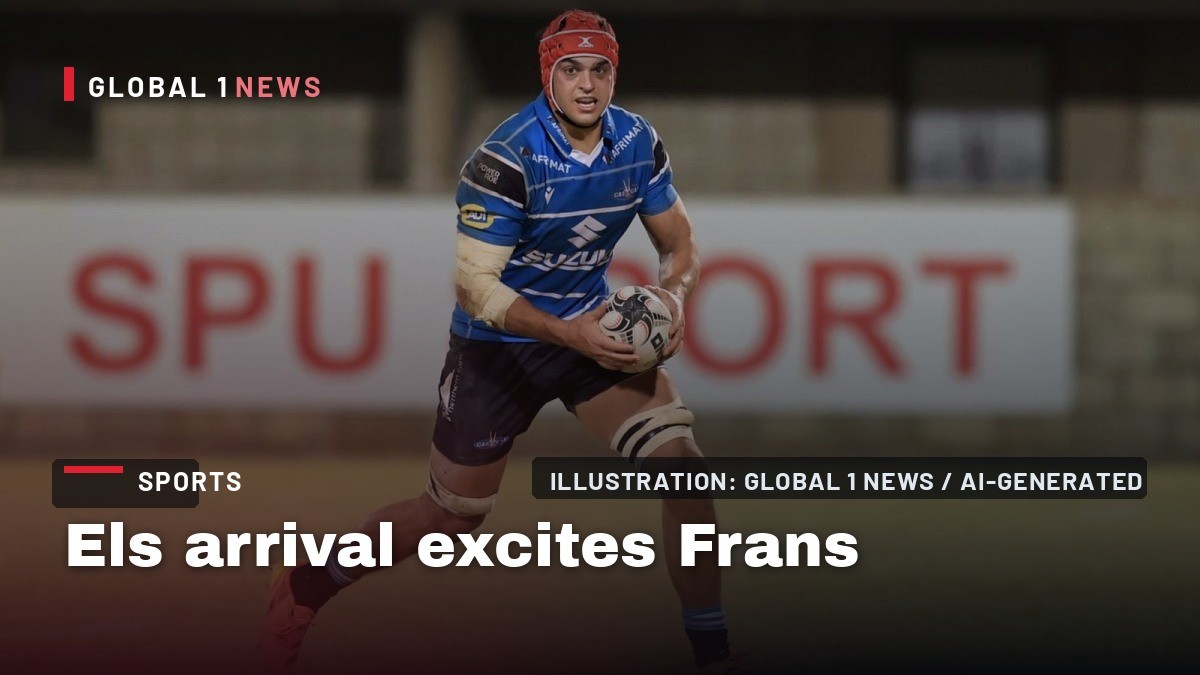
As the Cheetahs prepare to launch their EPCR Challenge Cup adventure in France next Sunday, the buzz around Griquas loose‑forward Carl Els is louder than a packed Free State stadium on a derby day. Director of Rugby Frans Steyn, fresh from a triumphant back‑to‑back Currie Cup run, has signalled that the 2026 season could see Els become a pivotal piece in the squad’s European ambitions. “We’re all excited to have Carl Els here,” Steyn told reporters on Friday, underscoring the expectation that the Currie Cup star will settle quickly, adapt to the Cheetahs’ game plan and translate his domestic form onto the continental stage.
From the Currie Cup to the Challenge Cup
The transition from South Africa’s premier domestic competition to the European arena is never a simple step‑up, but Els arrives on the back of a “great Currie Cup campaign,” according to Steyn. The loose forward’s reputation for work‑rate and ball‑carrying will be tested against Bayonne’s seasoned French side at the historic Stade Jean‑Dauger. For South African fans, the match offers a chance to see a home‑grown talent prove his mettle against European opposition, a narrative that resonates deeply in a nation where rugby is woven into the cultural fabric.
Steyn’s confidence is not misplaced. The Cheetahs have assembled a squad that blends experience with youthful vigor, and the inclusion of Els signals a clear intent: to bring the intensity and flair that characterised the recent Currie Cup triumphs into the European campaign. The forward’s ability to link play, secure turnovers and support the ball carrier aligns with the Cheetahs’ high‑tempo style, promising a seamless integration if he “finds his feet quickly” as the director hopes.
Steyn’s Game Plan and the Need for Consistency
Beyond the excitement surrounding Els, Steyn has laid out a straightforward mantra for the season: no excuses, strict adherence to the game plan, and execution that outperforms the opposition on the day. “It doesn’t matter where we play; we need to stick to our game plan and execute it better than the opposition on the day,” he asserted. This philosophy reflects a broader trend in South African rugby, where coaches increasingly stress tactical discipline to compete against the varied playing styles encountered in European competitions.
The director’s emphasis on consistency is particularly pertinent given the Cheetahs’ upcoming travel schedule. After the opening clash in Bayonne, the team will host the Dragons at their newly‑established European base in Swansea on 13 December, before heading to Parma for a showdown with Zebre on 10 January, and finally concluding the pool stage against Perpignan back in Swansea on 17 January. Each venue presents distinct challenges – from the physical French forward play to the fast‑paced Italian game – making Steyn’s call for unwavering focus all the more critical.
Squad Depth: Experience Meets Emerging Talent
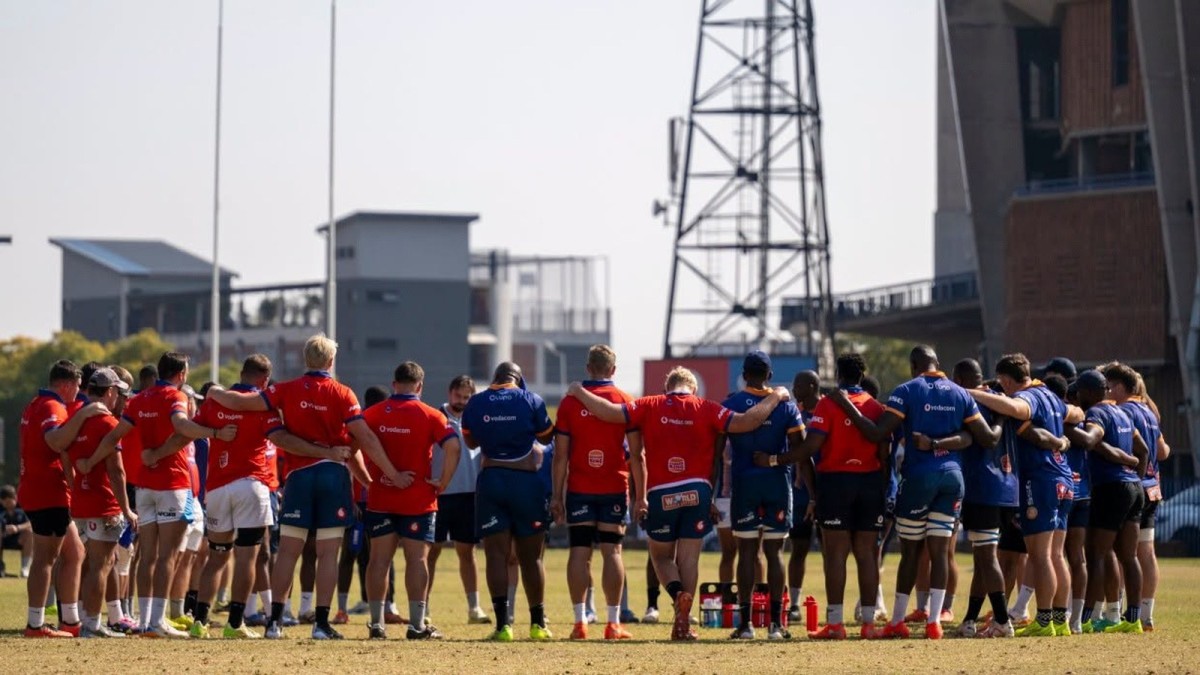
The Cheetahs’ touring squad reads like a balanced blend of seasoned campaigners and rising stars. Among the backs, experienced full‑back Henry Immelman brings a résumé that includes spells with Montpellier and Edinburgh, offering valuable European exposure that can guide younger teammates through the rigours of continental rugby. In the forwards, former Bulls hooker Jaundré Schoeman, who impressed during the recent Tbilisi Cup in Georgia, adds further depth and a proven ability to perform under pressure.
Beyond Immelman and Schoeman, the forward pack features names such as Frankie Dos Reis, Aidon Davis, Siya Ningiza, Dux Manyama, Simon Miller, Tebogo Nkosi, Victor Sekekete, Ben Pitout, Juan Venter, Chucky van der Westhuizen, Neels Volschenk, Tielman Niewoudt and Carl Wegner. The backline is bolstered by Michael Annies, Carel‑Jan Coetzee, Faf de Klerk, Zander du Plessis, Marco Jansen van Vuren, Cohen Jasper, Prince Nkabinde, Jaco van der Walt and Erich Visser. This depth ensures that the Cheetahs can rotate players without a drop in quality, a vital factor when navigating the congested European calendar.
The Strategic Importance of the New European Base
St Helen’s in Swansea has been earmarked as the Cheetahs’ “new European base,” a strategic move that reflects the franchise’s long‑term vision of establishing a foothold in the northern hemisphere. Hosting the Dragons on 13 December will be the first test of this home‑away‑from‑home concept. Steyn highlighted the significance of this development, stating, “We’re looking forward to going to Wales later in the competition and making it our new home away from home.” The sentiment resonates with South African supporters who have long cherished the idea of a permanent European base to aid player acclimatisation and logistical planning.
For the players, the base offers a familiar environment to regroup between fixtures, conduct training sessions and recover from the rigours of travel. It also provides an opportunity for local fans in Wales to experience South African rugby culture firsthand, strengthening the bonds between the two rugby‑loving nations. The Cheetahs’ commitment to this venture underscores a broader ambition: to embed themselves within the European rugby ecosystem while still maintaining their South African identity.
Implications for South African Rugby Development
The inclusion of a Currie Cup champion like Carl Els in a European competition carries weight beyond the immediate results. It showcases the depth of talent emerging from South Africa’s provincial system and offers a platform for players to test themselves against varied international opposition. Successful performances can boost the profile of the domestic leagues, encouraging sponsors, broadcasters and young athletes to invest further in the sport.
Moreover, the Cheetahs’ approach mirrors the national strategy of using overseas exposure to enhance player development. By integrating players such as Els, Immelman and Schoeman into a squad that competes across different climates, playing styles and tactical demands, South African rugby nurtures a generation of adaptable, globally‑experienced athletes. This pipeline is crucial for the Springboks, who rely on a steady flow of match‑ready talent to sustain their competitive edge on the world stage.
Looking Ahead: What Success Could Mean
If the Cheetahs can translate the “great form” that Steyn expects from Els into tangible results against Bayonne, the ripple effect could be significant. A strong opening performance would set a positive tone for the rest of the pool stage, bolstering confidence as the team heads to Wales and Italy. It would also validate the strategic decisions made by the franchise – from the recruitment of key players to the establishment of a European base.
For South African fans, a successful European campaign would reignite the excitement that followed the back‑to‑back Currie Cup victories, offering a fresh narrative of continental conquest. It would also reinforce the notion that South African franchises can compete on equal footing with their European counterparts, a point of pride that resonates deeply in a country where sport often serves as a unifying force. As the Cheetahs embark on this journey, the eyes of Pretoria, Cape Town and Durban will be glued to the action, hoping that the blend of experience, youthful vigor and strategic foresight delivers the results they so eagerly anticipate.
This article was produced with AI-assisted research and editorial support. Reporting is based on the source material cited below. Sources: SARugbyMag; sarugbymag.co.za; Global1.News (10 October 2026).
By Dante Williams, Staff Writer
What's Your Reaction?
 Like
0
Like
0
 Dislike
0
Dislike
0
 Love
0
Love
0
 Funny
0
Funny
0
 Wow
0
Wow
0
 Sad
0
Sad
0
 Angry
0
Angry
0

Breaking News and Investigations Correspondent at Global1.News. Based in London, covering global breaking news, security, and investigative stories. Known for digging deeper and connecting the dots across continents.












Comments (0)