
Harry Styles Concerts Bring 2 Billion Pesos to Mexico City Economy
Harry Styles Brings 2 Billion Pesos and a Wave of Visitors to Mexico City The six Mexico City concerts by Harry Styles that began this weekend and continue through August 10 are expected to pour more than 2 billion pesos, or US $120 million, into the capital’s economy.
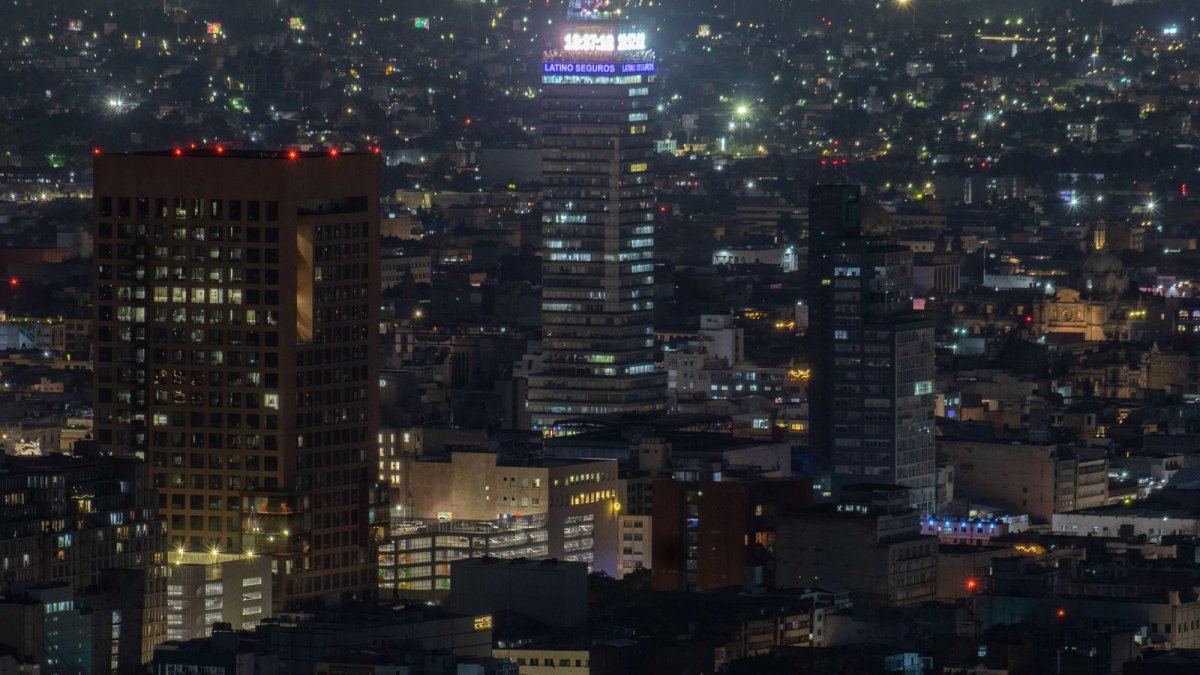
Harry Styles Brings 2 Billion Pesos and a Wave of Visitors to Mexico City
The six Mexico City concerts by Harry Styles that began this weekend and continue through August 10 are expected to pour more than 2 billion pesos, or US $120 million, into the capital’s economy. The local chapter of the National Chamber of Commerce, Canaco CDMX, reports that ticket sales will make up more than 80 percent of that total, while the remaining share will flow into lodging, food, transportation, and other services. For ordinary Mexican families and the small businesses that serve them, the shows represent more than entertainment. They mean extra shifts for hotel housekeepers, fuller tables at neighborhood restaurants, and steady work for drivers and vendors who depend on visitors arriving from across the country and abroad. The economic activity touches tianguis operators near the venue and families who rent rooms during big events, spreading the benefit through everyday households in the Venustiano Carranza borough and beyond.
Mexico City has long embraced large-scale music events as vibrant expressions of its cosmopolitan spirit, where international artists meet the city's deep-rooted passion for communal celebration. Residents often recall how venues like the former Foro Sol transform into temporary gathering places that blend global pop with local flavors, from street vendors offering traditional snacks to families sharing stories across generations. This cultural layering turns a concert into more than entertainment; it becomes a moment when the capital's diverse neighborhoods feel connected through shared excitement and hospitality that reflects Mexico's welcoming nature.
Over the years, such events have highlighted the city's ability to host world-class performances while honoring its own artistic heritage, creating an atmosphere where fans from rural towns and urban centers alike participate equally. The anticipation builds weeks in advance as neighborhoods near the stadium buzz with preparations that honor both the music and the sense of community pride that defines Mexican social life.
The Numbers Behind the Boom
Canaco CDMX projects the full economic contribution at more than 2 billion pesos, equivalent to US $120 million. Ticket sales account for the largest portion, exceeding 80 percent of the total. Lodging revenue is forecast to surpass 299.7 million pesos, or US $17.2 million, as fans fill hotels and other accommodations. The food service sector is expected to see 156 million pesos, or US $9.0 million, in spending at restaurants, cafes, and establishments near the venue. Ticketmaster Mexico estimates that around 60 percent of attendees at GNP Stadium will travel to Mexico City for the shows and stay an average of two to three nights. Ocesa projects the six dates will draw more than 400,000 fans, with 60 percent women and 35 percent under 25 years old. These figures are already moving the performance needle for the capital’s tourism sector and related industries.
Mega-concerts have historically served as powerful catalysts for neighborhood economies across Mexico City, with past residencies demonstrating how visitor spending flows into unexpected corners of daily commerce. Small operators remember how previous high-profile shows led to increased demand for everything from local crafts to transportation services, allowing families to cover expenses and even invest in modest improvements. These patterns reveal a consistent rhythm where entertainment draws outsiders who then discover the warmth of everyday Mexican hospitality, strengthening ties between visitors and residents.
The ripple effects often extend well beyond the event dates, as business owners use the momentum to build lasting relationships with returning customers. This cycle underscores how music gatherings act as reliable engines for sustaining livelihoods in a city where community networks thrive on mutual support and shared prosperity during peak seasons of activity.

More Than a Concert: What Canaco Says
Head of Canaco CDMX Vicente Gutierrez Camposeco confirmed the projections and emphasized that the gains reach far beyond the entertainment industry itself. “It’s not just the event organizers who benefit,” he said. “Hotels, restaurants, shops, tourism services, transportation, ride-hailing platforms, travel agencies, suppliers, and thousands of small and medium-sized businesses that participate directly or indirectly in serving visitors also benefit.” The hospitality sector stands to gain the most immediate revenue from the lodging projection, while food service businesses near the stadium will see steady demand from out-of-town fans. Transportation providers and ride-hailing platforms will handle increased trips, and suppliers to hotels and restaurants will experience higher orders. These ripple effects support the daily operations of countless families who rely on event-driven income to cover household expenses and keep their businesses running.
Mexican fans who first discovered Harry Styles through his One Direction years have cultivated a loyal community that spans cities and social circles, often gathering online to share memories of early concerts and personal growth alongside the artist's evolution. Many describe traveling long distances as teenagers to catch performances, forging friendships that continue today as they plan group trips to the upcoming shows. This dedication reflects a broader Mexican appreciation for artists who maintain genuine connections with audiences, turning fandom into a supportive network that celebrates both music and personal milestones.
Within these circles, stories circulate about how Styles' solo work resonates with themes of identity and belonging that echo experiences familiar to young Mexicans navigating modern life. The community aspect shines during meetups where fans exchange handmade items and advice, reinforcing bonds that extend far beyond ticket purchases and into lasting cultural appreciation.
Why Mexico City? A Latin American Entertainment Capital
Mexico City is one of seven cities worldwide chosen by Harry Styles to host a 2026 residency, and it will host the most concerts in the region, according to concert promoter Ocesa. The six dates at GNP Stadium, the venue formerly known as Foro Sol and located in the Venustiano Carranza borough, underscore the capital’s growing role as a leading entertainment tourism destination in Latin America. Ocesa notes that such events deliver culture and entertainment while acting as engines for economic development, job creation, tourism promotion, and the strengthening of the cultural industry. The choice of Mexico City for the largest number of shows in the region reflects its infrastructure, fan base, and ability to welcome hundreds of thousands of visitors over multiple nights, reinforcing its position as a key stop on major international tours.
Shopkeepers and food stall operators near the GNP Stadium begin months ahead by stocking extra supplies and coordinating with family members to handle the expected crowds, drawing on experiences from earlier large events at the venue. These preparations often involve personal touches, such as creating special menu items inspired by popular fan requests or extending operating hours to accommodate late-night visitors seeking familiar comforts after the shows. Owners speak of the opportunity to showcase neighborhood hospitality, turning busy periods into chances to introduce outsiders to authentic local flavors and stories.
The effort fosters a sense of collective anticipation among these small enterprises, where neighbors collaborate on logistics like shared transportation for goods. This preparation highlights how such events allow family-run spots to thrive while strengthening the social fabric that makes the area around the stadium feel like an extension of the concert experience itself.
What This Means for Mexican Families and Workers
The influx of more than 400,000 fans creates direct opportunities for hospitality workers, cooks, waiters, drivers, and vendors who serve the crowds around GNP Stadium. Families who rent rooms or operate small food stands near the venue will see additional income during the run of shows. Youth culture plays a visible role, with 35 percent of attendees under 25 years old, bringing energy and spending power that supports local commerce. Community pride rises as Mexico City once again demonstrates its capacity to host world-class events that benefit residents beyond the stage. The economic activity reaches tianguis vendors and taquerias that cater to both locals and visitors, helping sustain neighborhood economies that depend on tourism spikes. These concerts highlight how large-scale entertainment can translate into steady work and household stability for thousands of Mexican families connected to the hospitality and service sectors.
Entertainment tourism has emerged as a vital force across Latin America, with Mexico City standing out for its capacity to blend star power with regional cultural richness in ways that rival residencies in cities like Buenos Aires or São Paulo. These gatherings draw international visitors who return home with stories of the capital's vibrant street life and musical traditions, promoting cross-border appreciation that benefits the broader creative economy. Comparisons to other major artist stays reveal how sustained events like these amplify visibility for local talent and infrastructure, positioning the city as a hub where global music intersects with everyday community rhythms.
Such residencies contribute to a growing narrative of cultural exchange that supports job creation in hospitality and related fields throughout the region. By hosting multiple dates, Mexico City reinforces its reputation for delivering memorable experiences that extend economic vitality while celebrating the human connections formed when fans and locals share spaces during these high-energy periods.
What to Watch For
Five shows remain through August 10, sustaining the flow of visitors and spending across lodging, food service, and transportation. The continued activity will keep hotels, restaurants, and small businesses busy while reinforcing Mexico City’s standing as a premier destination for entertainment tourism. Long-term, the residency strengthens the city’s ability to attract future international events that generate jobs and promote cultural exchange. For Mexican readers, the story is one of shared benefit: when global artists choose the capital for multiple dates, the gains reach ordinary households and strengthen the local economy that supports daily life. The coming week offers a clear example of how music and tourism work together to create lasting value for the community.
Tags: Harry Styles, Mexico City, Canaco CDMX, GNP Stadium, economic impact, tourism boost, Ocesa, concert residency
By Rosa Martinez, Staff Writer
This article was produced with AI-assisted research and editorial support. Reporting is based on sources cited in the article.
What's Your Reaction?
 Like
0
Like
0
 Dislike
0
Dislike
0
 Love
0
Love
0
 Funny
0
Funny
0
 Wow
0
Wow
0
 Sad
0
Sad
0
 Angry
0
Angry
0

Latin America/Andes Correspondent at Global1.News. Based in Bogota, covering politics, environment, energy, and social movements across the Andean region. Passionate about environmental journalism and communities protecting their land.










Comments (0)