
Staggered LPG price hike set
Republic Gas Corp. (Regasco) has rolled out a staggered price increase for its liquefied petroleum gas (LPG) products, a move that effectively neutralizes the recent excise‑tax suspension ordered by President Marcos.
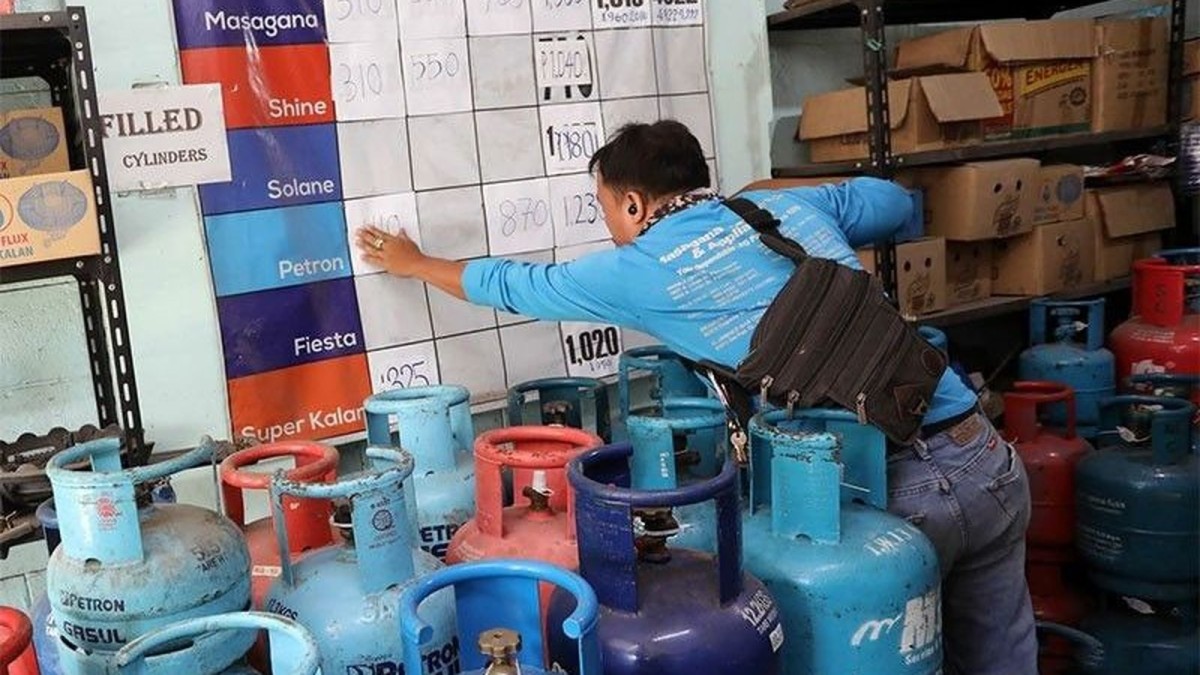
Republic Gas Corp. (Regasco) has rolled out a staggered price increase for its liquefied petroleum gas (LPG) products, a move that effectively neutralizes the recent excise‑tax suspension ordered by President Marcos. The first hike of P10 per kilogram took effect yesterday, followed by a P5 rise on October 10 and a final P3 lift on October 17, bringing the total increase to P18 per kilogram. For the average Filipino household that relies on an 11‑kilogram cylinder, the cumulative effect translates to roughly P198 more per tank, a cost that will be felt across barangays from Luzon to Mindanao.
Why the hike matters to Filipino families
For many Filipinos, LPG is the lifeline that powers cooking at home, fuels small businesses, and keeps the lights on in remote sari‑sari stores. A price jump of P18 per kilogram means a standard 11‑kilogram cylinder could now cost about P1,300, according to Regasco president Arnel Ty. While the exact selling price will still vary by retailer’s location, the increase is already pushing household budgets tighter, especially for OFWs sending remittances that must stretch further to cover basic needs.
Ty noted that transportation costs make LPG in Mindanao roughly P150 higher than in Luzon. This regional disparity underscores the uneven impact of the hike, as families in the southern islands already contend with higher freight charges. The added expense arrives just as the Department of Health continues to advise against indoor cooking with open flames during the lingering effects of the pandemic, making LPG an even more essential commodity.
Global market forces behind the surge
The price hike is rooted in two key developments on the world stage. First, Saudi Aramco announced a contract price increase of more than $65 per metric ton for LPG, a shift that Regasco translates to roughly P5 per kilogram in local terms. Second, a sharp rise in Dubai crude oil prices—from $90 to $113 per barrel—has driven up shipping premiums by about P13 per kilogram. Together, these factors account for the full P18 per kilogram increase slated for October.
These global price pressures arrived just as China, Regasco’s primary source of LPG stocks, suspended fuel exports for the month of October to safeguard its domestic supply. The suspension, reported by Reuters, limits China’s exports to Hong Kong and Macau only, leaving regional buyers like the Philippines to scramble for alternative sources.
Supply constraints and the Department of Energy’s targets
Regasco currently holds a 20‑day inventory of LPG, comfortably above the legal minimum of seven days but still far short of the Department of Energy’s aspirational 45‑day buffer. Ty emphasized that while the firm can source LPG from Japan, Korea, Malaysia, Thailand, and Indonesia, those alternatives come at a higher cost, further squeezing profit margins and potentially passing additional costs onto consumers.
The supply crunch highlights a broader vulnerability in the Philippines’ energy security. With China’s export pause and limited regional alternatives, the country’s reliance on imported LPG becomes a strategic concern, especially as households and small enterprises depend on a steady flow of fuel for daily operations.
Impact on other LPG providers
Regasco’s staggered increase sets a precedent that other local LPG firms are watching closely. Companies such as Solane and Petron Gasul have not yet disclosed whether they will follow a similar pricing schedule. Their silence leaves the market in a state of uncertainty, as retailers and consumers await signals that could dictate whether the price hike will become an industry‑wide trend.
If competitors choose to maintain current prices, they may attract price‑sensitive customers, but they also risk depleting inventories faster amid the global supply squeeze. Conversely, aligning with Regasco’s schedule could stabilize supply chains but at the expense of higher consumer costs across the board.
Political and diplomatic undercurrents
Ty expressed hope that the United States and Iran might resume negotiations after the U.S. midterm elections on November 3, a development that could ease geopolitical tensions and, in turn, lower global oil and gas prices. While the elections will determine which party controls Congress for the next two years, the outcome could influence U.S. foreign policy toward the Middle East and affect the broader energy market.
Domestically, the price hike arrives at a time when President Marcos’ administration is seeking to balance fiscal relief measures—such as the excise‑tax suspension—with the realities of global market forces. The suspension, which temporarily lowered LPG prices at the end of September, has been effectively offset by the recent spikes in contract and freight costs, underscoring the limits of domestic policy when faced with external price shocks.
What households can do amid rising costs
Filipinos can mitigate the impact of higher LPG prices through a few practical steps. Many barangays have organized bulk‑purchase schemes, allowing residents to pool orders and negotiate better rates with local retailers. Additionally, the Department of Energy encourages households to explore alternative cooking fuels, such as electric rice cookers powered by renewable energy, though the upfront cost may be prohibitive for low‑income families.
Community groups and NGOs are also stepping in, offering subsidies or facilitating access to cheaper LPG through government‑approved programs. By staying informed about price changes—often announced on local radio stations like dzBB—and coordinating with neighborhood sari‑sari stores, families can better plan their monthly budgets and avoid sudden price shocks.
Looking ahead: resilience and policy implications
The staggered LPG price hike by Regasco serves as a stark reminder that global commodity markets can quickly erode domestic relief efforts. While the Department of Energy’s goal of a 45‑day supply buffer remains a long‑term target, achieving it will require diversified sourcing, strategic stockpiling, and perhaps a reassessment of the country’s reliance on a single major exporter.
For policymakers, the episode underscores the need for a coordinated response that blends price‑stabilization mechanisms with robust supply‑chain strategies. As the nation approaches the holiday season—a period when demand for cooking fuel spikes—ensuring that every Filipino household can afford safe, reliable energy will be a test of both government foresight and community solidarity.
This article was produced with AI-assisted research and editorial support. Reporting is based on the source material cited below. Sources: Philstar.com; Global1.News (04 October 2026).
By Bella Reyes, Staff Writer
What's Your Reaction?
 Like
0
Like
0
 Dislike
0
Dislike
0
 Love
0
Love
0
 Funny
0
Funny
0
 Wow
0
Wow
0
 Sad
0
Sad
0
 Angry
0
Angry
0

Philippines/Southeast Asia Correspondent at Global1.News. Manila-based journalist covering Philippine politics, environment, maritime security, and social issues. Passionate about marine conservation and the communities protecting the Philippines' natural heritage.











Comments (0)