
Gaza Chickenpox Outbreak: 9,300 Children Infected in Camps
The ongoing displacement of 1.7 million Palestinians in Gaza has created conditions where preventable diseases spread rapidly among children. Recent reports document thousands of chickenpox cases in displacement camps, driven by the collapse of basic services and restrictions on essential supplies. The Human Toll on Children Children in Gaza's displacement sites bear the immediate brunt of the chickenpox outbreak. According to a UN OCHA report cited by Middle East Monitor and
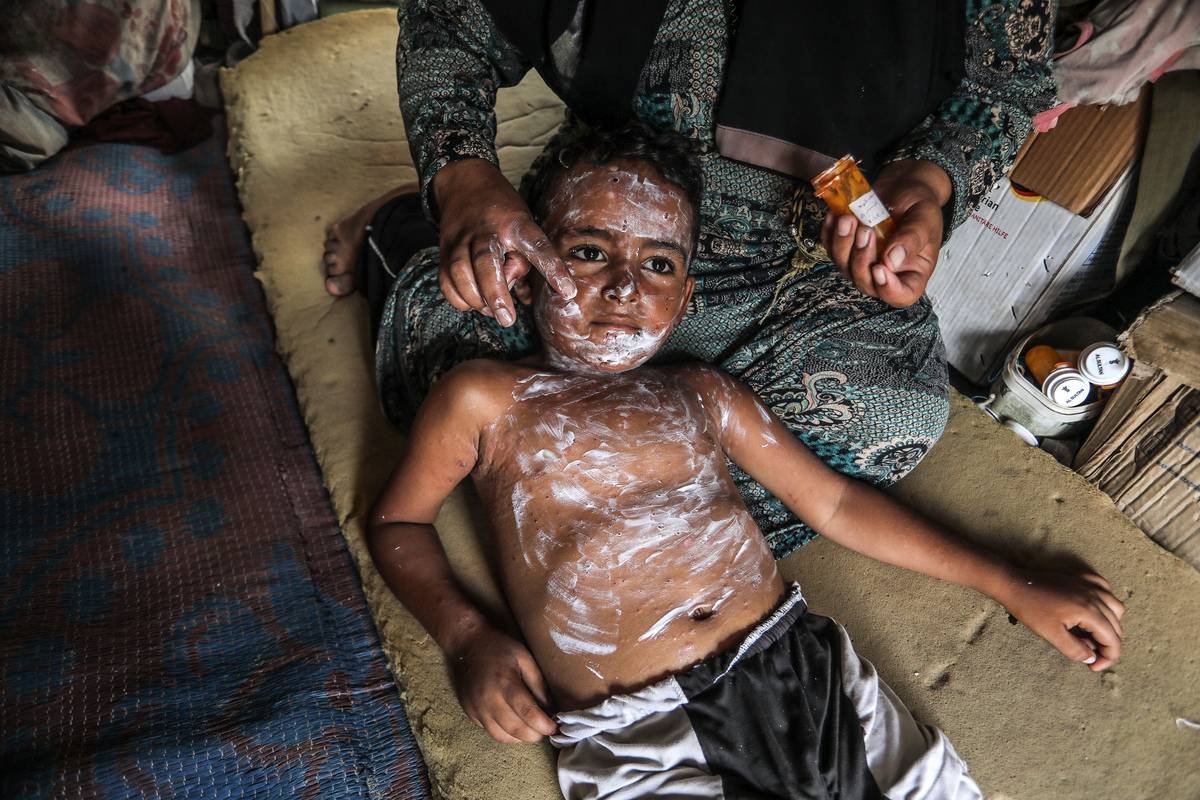
The ongoing displacement of 1.7 million Palestinians in Gaza has created conditions where preventable diseases spread rapidly among children. Recent reports document thousands of chickenpox cases in displacement camps, driven by the collapse of basic services and restrictions on essential supplies.
The Human Toll on Children
Children in Gaza's displacement sites bear the immediate brunt of the chickenpox outbreak. According to a UN OCHA report cited by Middle East Monitor and Reuters, approximately 9,300 cases were recorded among displaced children in the past two weeks. More than half of these occurred in Khan Younis, where families live in extreme density. Bassam Zaqout, director of Medical Relief, told Saba News Agency that around 5,000 new cases appear weekly. These infections add to existing burdens of acute respiratory illnesses and skin diseases, leaving young bodies weakened and families without adequate medical support.
In the cramped tents of Khan Younis displacement camps, families watch helplessly as chickenpox spreads among siblings sharing thin mattresses. Children scratch at blistering rashes while trying to sleep, their cries echoing through the night and disrupting the fragile rest of exhausted parents who have already fled multiple times. Daily routines collapse as infected youngsters cannot attend makeshift learning spaces or play safely, leaving mothers and fathers to isolate the sick in corners already shared by multiple households.
The outbreak compounds with respiratory infections and skin conditions, turning minor ailments into severe threats. A child's weakened immune system from chickenpox invites pneumonia-like symptoms, while open sores from scratching invite bacterial infections in unsanitary conditions lacking soap or clean water. These overlapping illnesses drain young bodies already malnourished from scarce food supplies, creating cycles of fever and fatigue that no single family can manage alone.
Parents resort to traditional remedies like herbal pastes or diluted antiseptics when clinics are inaccessible or medicine-less. Many walk hours only to find empty shelves, their human right to health denied by systemic barriers that prioritize conflict over child welfare. Without basic calamine or antibiotics, they can only offer comfort through touch, underscoring the profound injustice faced by Gaza's youngest residents.
Overcrowded Conditions in Displacement Camps
Living arrangements in the camps directly accelerate transmission. The UN OCHA report identifies overcrowded shelters, accumulating waste, limited clean water access, and the breakdown of sewage systems as primary drivers. In Khan Younis and other southern areas, multiple families share confined spaces with poor ventilation. Earlier this month, separate tallies recorded over 18,000 cases of chickenpox, skin infestations, and impetigo in a single week. These figures reflect daily realities where children play and sleep in close proximity amid uncollected refuse and contaminated surroundings.
The Role of the Blockade in Fueling Disease
Restrictions on movement and goods compound the health emergency. Zaqout linked the weekly case surge to overcrowding, vaccine shortages, and the ongoing blockade, which limits delivery of medicines and hygiene materials. With 1.7 million people displaced and lacking reliable water, shelter, or sanitation, routine immunization programs have faltered. The blockade prevents consistent replenishment of medical stocks, turning what should be manageable childhood illnesses into widespread outbreaks across camps.
The Israeli blockade, imposed since 2007, has long eroded Gaza's health infrastructure by restricting imports of essential medicines, vaccines, and medical equipment. Over years this has left hospitals without consistent stocks of childhood immunizations, turning routine preventable diseases into crises that now overwhelm displacement sites across the south. Critical supplies such as varicella vaccines, antibiotics, and hygiene kits remain heavily restricted at border crossings, directly fueling the current surge. These limitations prevent health workers from mounting timely campaigns, allowing chickenpox to spread unchecked among unvaccinated children living in extreme density.
Historical patterns show that vaccine shortages tied to the blockade have repeatedly enabled outbreaks; without easing these controls, the trajectory of infection will continue to climb, violating the fundamental right of Palestinian children to protection from preventable illness.
Humanitarian Agencies' Assessment of the Crisis
International and local humanitarian organizations have characterized the overall situation as critical. UN OCHA documentation and statements from groups monitoring Gaza highlight how the combination of displacement and infrastructure failure leaves children especially exposed. Agencies note that skin diseases and respiratory infections remain the most frequently reported problems, yet response capacity stays constrained by access limitations. These assessments underscore the gap between documented needs and available interventions on the ground.
UN agencies and NGOs have scaled limited response efforts through mobile clinics and hygiene distributions, yet funding shortfalls and permit denials severely constrain their reach. Organizations document urgent needs for sanitation repairs and medical deliveries while noting that access restrictions prevent teams from reaching all affected camps in real time. These gaps mirror previous crises, including the 2024 polio detections and widespread scabies outbreaks, where similar infrastructure failures allowed diseases to proliferate before partial interventions arrived. Sustained international pressure remains essential to close the divide between documented suffering and meaningful humanitarian access.
Immediate Needs for Affected Children
Children require prompt access to vaccines, clean water, and basic medical care to interrupt transmission. Zaqout emphasized shortages of vaccines as a key factor sustaining the weekly case count. Families in Khan Younis and other sites need functioning sanitation systems and waste removal to reduce environmental risks. Without these provisions, skin conditions and respiratory infections will continue alongside chickenpox, further straining already limited health services for displaced populations.
Looking Ahead: Pathways to Addressing the Health Emergency
Resolving the outbreak depends on restoring essential services and easing supply constraints. Historical patterns in Gaza show that disease surges subside only when water systems, sewage infrastructure, and medical deliveries function consistently. Continued monitoring by UN OCHA and local health teams will track whether current case trends stabilize. Sustained attention to children's health needs in displacement settings remains essential to prevent longer-term consequences for an entire generation growing up amid repeated health crises.
By Fatima Al-Rashid, Staff WriterThis article was produced with AI-assisted research and editorial support. Reporting is based on sources cited in the article.
What's Your Reaction?
 Like
0
Like
0
 Dislike
0
Dislike
0
 Love
0
Love
0
 Funny
0
Funny
0
 Wow
0
Wow
0
 Sad
0
Sad
0
 Angry
0
Angry
0
Gulf/MENA Correspondent at Global1.News. Based in Doha, covering Gulf politics, energy markets, diplomacy, and development across the Middle East and North Africa. Tracks the economic transformation of the Gulf states.












Comments (0)