
Inside Friday’s takedown of ‘El Chapo Isidro’: Monday’s mañanera recapped
President Claudia Sheinbaum’s Monday mañanera, held three days after the dramatic capture of Fausto Isidro Meza Flores—known on the streets as “El Chapo Isidro”—was a moment of both triumph and mourning.
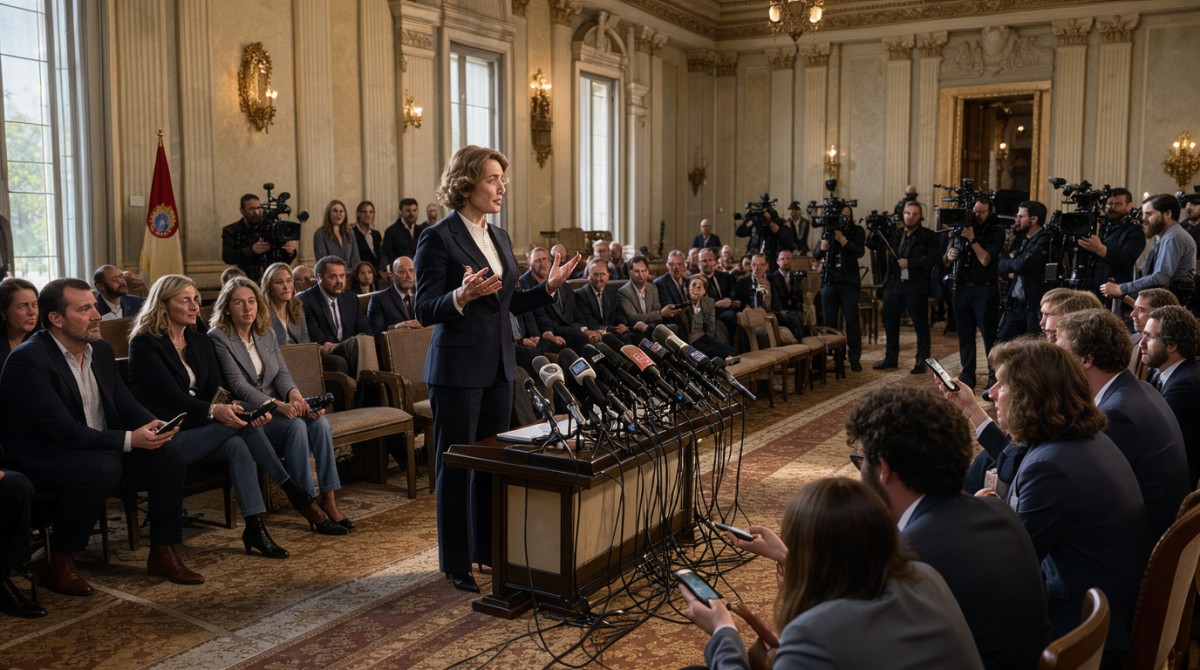
President Claudia Sheinbaum’s Monday mañanera, held three days after the dramatic capture of Fausto Isidro Meza Flores—known on the streets as “El Chapo Isidro”—was a moment of both triumph and mourning. The former Beltrán Leyva cartel leader, listed among the FBI’s Ten Most Wanted fugitives, was seized in a night‑long operation that cost the lives of four soldiers and left dozens more wounded. As the nation watched the president stand beside the nation’s top security officials, the details of Operación Centella unfolded, revealing a complex choreography of intelligence, cross‑border cooperation, and the gritty reality of Mexico’s ongoing battle against powerful drug cartels.
The night the “bats” and “wolves” struck
Operación Centella, the code name given to the mission that captured Meza Flores, began with a painstaking intelligence phase. Defense Minister Ricardo Trevilla Trejo explained that analysts spent months monitoring the fugitive’s movements, sharing a “lot of information” with U.S. authorities. The intelligence work culminated on November 20, when a combination of ground surveillance and U.S. drone reconnaissance pinpointed the exact location of the cartel boss in the municipality of Guasave, Sinaloa.
When the clock struck 7:50 p.m. on Friday, a force of 47 special‑forces operatives from the Army’s “murciélagos” (bats) and the National Guard’s “lobos” (wolves) moved in, supported by 128 paratroopers, 106 regular troops, six helicopters, seven planes and an Air Force drone. The operation was described as “stealth” and “surprise.” According to Trevino, the team entered the home, faced armed resistance, but ultimately secured the suspects after the occupants surrendered. The ensuing firefight sparked a wave of narco‑blockades on surrounding roads as cartel gunmen attempted to rescue their leader.
Cost of the victory: four soldiers fall
While the capture of a high‑profile drug lord is a headline‑worthy success, the price paid in blood cannot be ignored. Four soldiers, described by Sheinbaum as “very well‑trained men with a lot of dedication to the country,” lost their lives during the operation. The president offered her “condolences, affection, appreciation and admiration” to the families of the fallen, emphasizing the sacrifice of the armed forces in the fight against organized crime.
Security Minister Omar García Harfuch echoed this sentiment, extending “deepest respect, gratitude and solidarity” to the bereaved families and to the “comrades in arms” who continue the dangerous work of protecting Mexico’s communities. Ten other troops were injured, and the minister wished them a speedy recovery, underscoring the human toll that each tactical success extracts from the nation’s defenders.
Cross‑border intelligence: drones, data and diplomacy
The operation highlighted the depth of U.S.–Mexico security collaboration. Trevino noted that U.S. drones were employed at Mexico’s request to monitor Meza Flores, a move he asserted did not breach the Mexican Constitution or the National Security Law. The New York Times corroborated this, reporting that U.S. drone missions flew over the target area only when weather permitted and always with Mexican authorization.
Mexican military analysts then “pieced together his daily routines, intercepting his communications and studying him on live video feed,” according to an unnamed official cited by the Times. This joint effort, described by Trevino as a “very significant exchange of information” over the past three months, was pivotal in locating the fugitive and executing the raid. Ambassador Ronald Johnson, speaking on behalf of the U.S. Embassy, praised the “sustained cooperation and trust” that made the capture possible, signaling a continued partnership aimed at making both nations safer.
The cartel’s reach: fentanyl and transnational networks
Meza Flores, 44, is alleged to have led the Beltrán Leyva Organization and the Los Mazatlecos, also known as the Guasave Cartel and the Meza Flores Transnational Criminal Organization. Over more than two decades, he is accused of moving “huge quantities of narcotics, including fentanyl,” into the United States. The seizure of a figure tied to fentanyl—a synthetic opioid driving a public health crisis on both sides of the border—underscores the broader stakes of Mexico’s drug war.
While the operation removed a key node in the cartel’s logistics chain, Trevino reminded the audience that Meza Flores remains wanted on organized‑crime and drug‑trafficking charges in Mexico and faces an extradition request from the United States. The capture, therefore, is both a tactical win and a legal step toward dismantling the broader network that fuels violence in many colonias and ejidos across the country.
From Guasave to Mexico City: the logistics of custody
After the night‑time raid, Meza Flores and the other detainees were first moved by land to Culiacán, the capital of Sinaloa, late on Friday. From there, the cartel boss and two other suspects were flown to Mexico City, where they entered the custody of the Federal Attorney General’s Office early Saturday. This rapid transfer, involving both ground and air assets, was designed to prevent any further attempts at rescue and to secure the chain of evidence.
The president’s presence at the mañanera, alongside Defense Minister Trevino and Security Minister Harfuch, signaled the government’s intent to keep the case in the national spotlight. By showcasing the coordinated handover, the administration aimed to reassure the public that the captured individuals would face the full weight of the law, reinforcing a message of accountability that resonates from the tianguis stalls in Oaxaca to the bustling streets of Mexico City.
Political reverberations: Sheinbaum’s security narrative
Sheinbaum’s mañanera placed the operation at the heart of her broader security agenda. By highlighting the bravery of the soldiers and the effectiveness of intelligence sharing, she framed the capture as evidence that her administration’s security policies are bearing fruit. The president’s acknowledgment of the fallen soldiers also served to honor the military’s sacrifice, a gesture that resonates deeply in a country where the army often stands as a symbol of national unity.
At the same time, the operation’s reliance on U.S. drone support and intelligence exchange sparked discussions about sovereignty and the balance between external assistance and domestic capability. Trevino’s assertion that the drone flights did not violate constitutional provisions reflects an effort to pre‑empt criticism and reassure the public that Mexico retains control over its security operations, even as it benefits from cross‑border collaboration.
What the capture means for ordinary Mexicans
For families in rural ejidos, for workers in the maquiladoras of the north, and for migrants heading northward, the fall of “El Chapo Isidro” is a tangible sign that the state can strike at the heart of the cartels that have long plagued daily life. The operation’s visibility—broadcast from the president’s podium and detailed by defense officials—offers a narrative of hope that the “terrorist cartels” can be brought to justice.
Yet the loss of four soldiers also reminds citizens that the fight is costly and ongoing. Communities that have endured narco‑blockades, extortion, and the constant threat of violence understand that each victory is accompanied by sacrifice. As Sheinbaum’s administration moves forward, the challenge will be to translate high‑profile captures into lasting security improvements for the people who gather each morning at the tortillería, who sell their wares at the tianguis, and who dream of a future free from the shadow of the drug trade.
This article was produced with AI-assisted research and editorial support. Reporting is based on the source material cited below. Sources: Mexico News Daily; mexiconewsdaily.com; Global1.News (23 November 2026).
By Rosa Martinez, Staff Writer
What's Your Reaction?
 Like
0
 Dislike
0
 Love
0
 Funny
0
 Wow
0
 Sad
0
 Angry
0
Latin America/Andes Correspondent at Global1.News. Based in Bogota, covering politics, environment, energy, and social movements across the Andean region. Passionate about environmental journalism and communities protecting their land.













Comments (0)