
FSSAI Crackdown: Bournvita, Amway Withdraw Misleading Health Claims
The Food Safety and Standards Authority of India (FSSAI) has escalated its enforcement drive against misleading health and nutrient claims, forcing Mondelez India Foods—the maker of Bournvita and Cadbury products—to withdraw contested claims from e-commerce platforms.
The Food Safety and Standards Authority of India (FSSAI) has escalated its enforcement drive against misleading health and nutrient claims, forcing Mondelez India Foods—the maker of Bournvita and Cadbury products—to withdraw contested claims from e-commerce platforms. The regulator has issued more than 150 notices to major food business operators (FBOs), including Nestlé India, PepsiCo, Coca-Cola India, and Red Bull India, demanding substantiation of promotional language and labelling compliance under the Food Safety and Standards Act, 2006.
Regulatory Teeth: FSSAI Forces Mondelez, Amway, and Juza Foods to Retract Unsubstantiated Nutritional Claims
New Delhi, India – August 26, 2026 — The FSSAI has confirmed that Mondelez India Foods Pvt Ltd has withdrawn health and nutrient-comparison claims linked to Bournvita after the regulator flagged them as misleading. This action, confirmed on Tuesday, is part of a broader campaign that has seen over 150 notices issued to food companies in recent months. The regulator stated that "major food business operators (FBOs) have taken prompt corrective action," signalling a shift from advisory to enforcement in India's packaged-food sector.
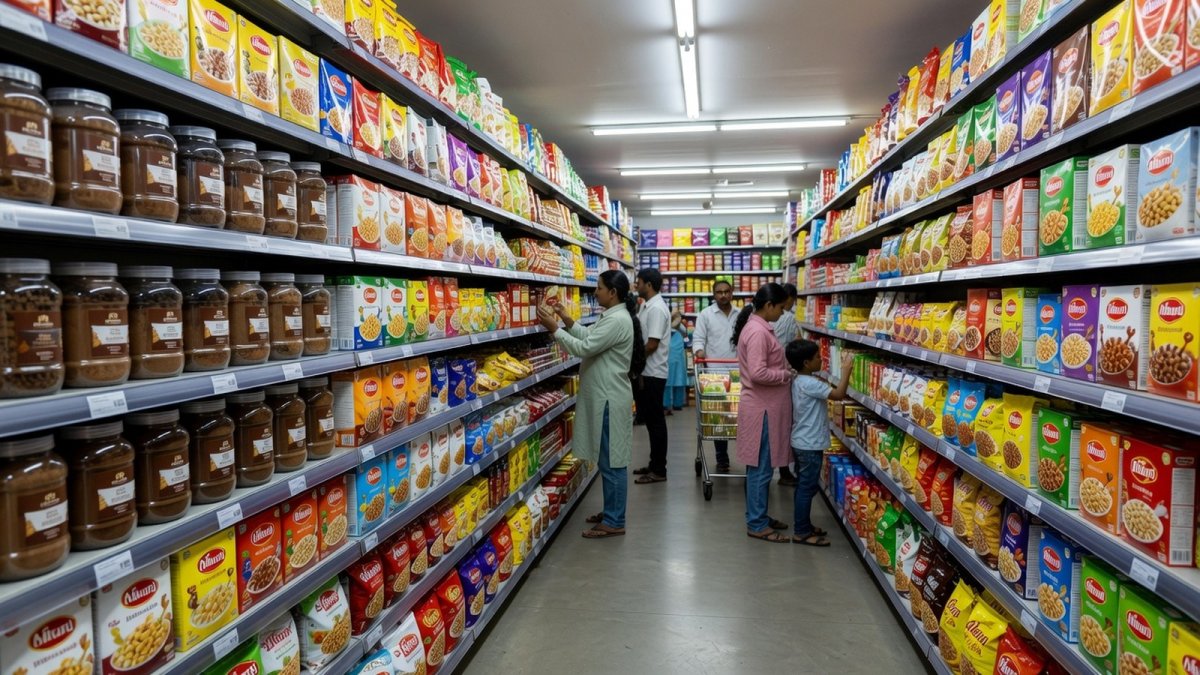
The Bournvita Correction: From 2023 Row to 2026 Compliance
Mondelez India's latest retreat is not an isolated incident but the culmination of regulatory pressure that began in April 2023. That year, a viral video by a health influencer criticised Bournvita as a "health drink" for children, triggering what became known as the 'Bournvita row'. The company's marketing had long claimed the malted beverage contains vitamins A, C, D, iron, zinc, copper, and selenium, which purportedly help build immunity. Critics, including hepatologist Dr. Abby Philips, argued that claims regarding muscle and bone growth, immunity enhancement, and brain development were not backed by controlled studies.
Following the FSSAI notice in 2026, Mondelez India "withdrawn the claims and advertisement from e-commerce platforms and ensured compliance," according to the regulator's statement. The FSSAI did not provide further details of the specific Bournvita claims in its public statement, but the corrective action follows findings of misleading health claims and nutrient-comparison claims. This is significant for Indian parents, who have historically been targeted by advertising that positions Bournvita as an essential component of a child's daily nutrition.
Beyond Bournvita: Amway, Juza Foods, and the '100%' Problem
The FSSAI's enforcement net has caught several other prominent players. Amway India has removed the term "100%" from its "100% Pure Coconut Oil" packaging and promotional material after the regulator flagged the claim as misleading. The company has also discontinued the term "Energy Drink" from its caffeinated XS product range. Amway India submitted a compliance response confirming it has voluntarily removed the term '100%' from product packaging and promotional materials in accordance with the FSSAI advisory, and confirmed that old stock has been discontinued from sales channels.
However, Amway has sought permission to sell existing stock carrying the older "Energy Drink" artwork until inventory is exhausted. The revised packaging will be introduced from the next production cycle in August 2026. In Kerala, Juza Foods has agreed to remove claims relating to immunity, stronger bones, and comparative calcium content from its baby-food products. Vichi Agro Products Pvt Ltd received a notice over an allegedly misleading trade name, and Flipkart responded by confirming the product had been delisted from its platform. Sapiens Labs has also withdrawn misleading claims and advertisements following FSSAI intervention.
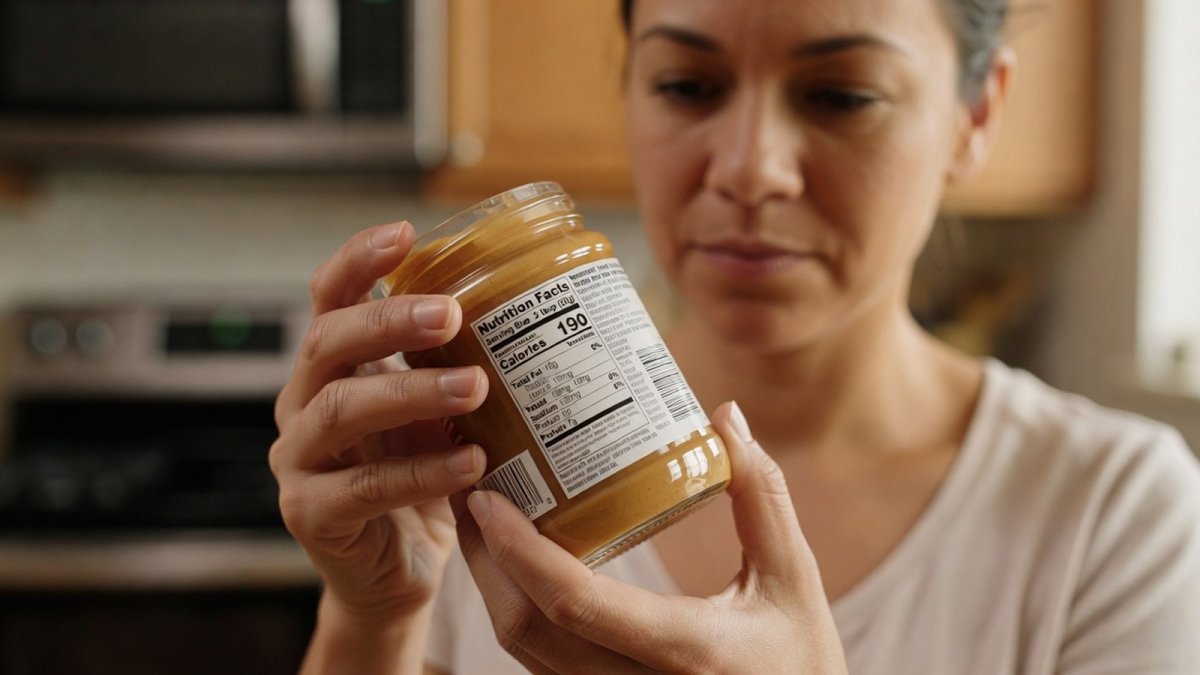
The 150-Notice Enforcement Drive: Who Else Is on the List?
The FSSAI's campaign extends far beyond the companies that have already complied. The regulator has issued more than 150 notices to food businesses as part of this enforcement drive against misleading food advertisements, product claims, and labelling violations. The list of companies named in the regulatory action includes some of the largest packaged-food and beverage corporations operating in India: Nestlé India, PepsiCo, Coca-Cola India, Abbott India, Red Bull India, Danone India, Monster Energy India, Ferrero India, and Kenvue.
This is not a symbolic gesture. The FSSAI has repeatedly stressed that food labels and advertisements should not exaggerate benefits or create a misleading impression about a product's nutritional value or health effects. The regulatory framework, established under the Food Safety and Standards Act, 2006 and the FSS (Advertising and Claims) Regulations, 2018, requires that all claims be truthful, unambiguous, and substantiated. For Indian consumers, this means the days of vague "immunity-boosting" or "brain-development" language on packaged foods are numbered, at least for the major players.
What This Means for Indian Consumers and Parents
For the Indian consumer, particularly parents in urban centres like Mumbai, Delhi, and Bengaluru, this crackdown represents a significant shift in the balance of power between marketing departments and public health. The Bournvita case is especially sensitive because its marketing has historically been closely associated with children's nutrition. The FSSAI's action forces a re-evaluation of what constitutes a "health drink" in the Indian market—a category that has long been a grey area, allowing products high in sugar to masquerade as nutritional supplements.
The removal of "100%" from Amway's coconut oil packaging is equally instructive. It acknowledges that absolute claims are rarely accurate in food science. For the Indian consumer, this means that a product labelled "100% Pure" must now meet a higher evidentiary standard. The delisting of Vichi Agro's product from Flipkart demonstrates that the FSSAI is willing to involve e-commerce platforms in the compliance chain, closing a loophole where misleading claims could migrate from physical packaging to online listings.
Policy Implications: The Cost of Compliance and the Future of Food Marketing
The economic implications of this enforcement drive are substantial. For companies like Mondelez India, Nestlé India, and PepsiCo, the cost of re-labelling, withdrawing advertisements, and reformulating marketing strategies will run into crores. Amway's request to sell existing "Energy Drink" stock until inventory is exhausted indicates that the transition is not cost-free. The revised packaging for Amway's coconut oil will only appear from the next production cycle in August 2026, suggesting a phased compliance timeline that balances regulatory urgency with commercial reality.
This regulatory push also aligns with broader public health policy trends in India, where the government has been grappling with rising rates of obesity, diabetes, and non-communicable diseases. The FSSAI's actions under the FSS (Advertising and Claims) Regulations, 2018, are a direct response to the need for greater transparency in a market where the line between food and medicine has been deliberately blurred by aggressive marketing. For taxpayers and the public health system, this could reduce the burden of diet-related diseases if it leads to more honest labelling across the board.
The Bottom Line
The FSSAI's issuance of more than 150 notices and the subsequent compliance by Mondelez India, Amway, and Juza Foods marks a definitive end to the era of unsubstantiated health claims in India's packaged-food industry. With companies like Nestlé India, PepsiCo, Coca-Cola India, and Red Bull India now under the regulatory microscope, the message is clear: claims must be backed by data. For the Indian consumer, this means greater trust in labels, but it also demands vigilance—the onus remains on the buyer to read the fine print, even as the regulator tightens the screws on the country's biggest food brands.
— By Dr. Raj Patel, Staff Writer
This article was produced with AI-assisted research and editorial support. Reporting is based on sources cited in the article.
What's Your Reaction?
 Like
0
Like
0
 Dislike
0
Dislike
0
 Love
0
Love
0
 Funny
0
Funny
0
 Wow
0
Wow
0
 Sad
0
Sad
0
 Angry
0
Angry
0

India/South Asia Correspondent at Global1.News. Analytical voice with a background in science and health journalism. Based in New Delhi, covering Indian politics, education, healthcare, technology, and policy. Breaks down complex data into clear, actionable reporting.















Comments (0)