
Flesh-Eating Bacteria Outbreak: 5 Dead in Louisiana as Gulf Coast Sounds Alarm
Louisiana confirms nine Vibrio vulnificus cases, five deaths, nine hospitalizations in 2026 — all from seawater-exposed wounds, none from oysters. Florida reports two deaths. Gulf Coast officials urge beachgoers to cover cuts, avoid brackish water, and seek prompt medical care.
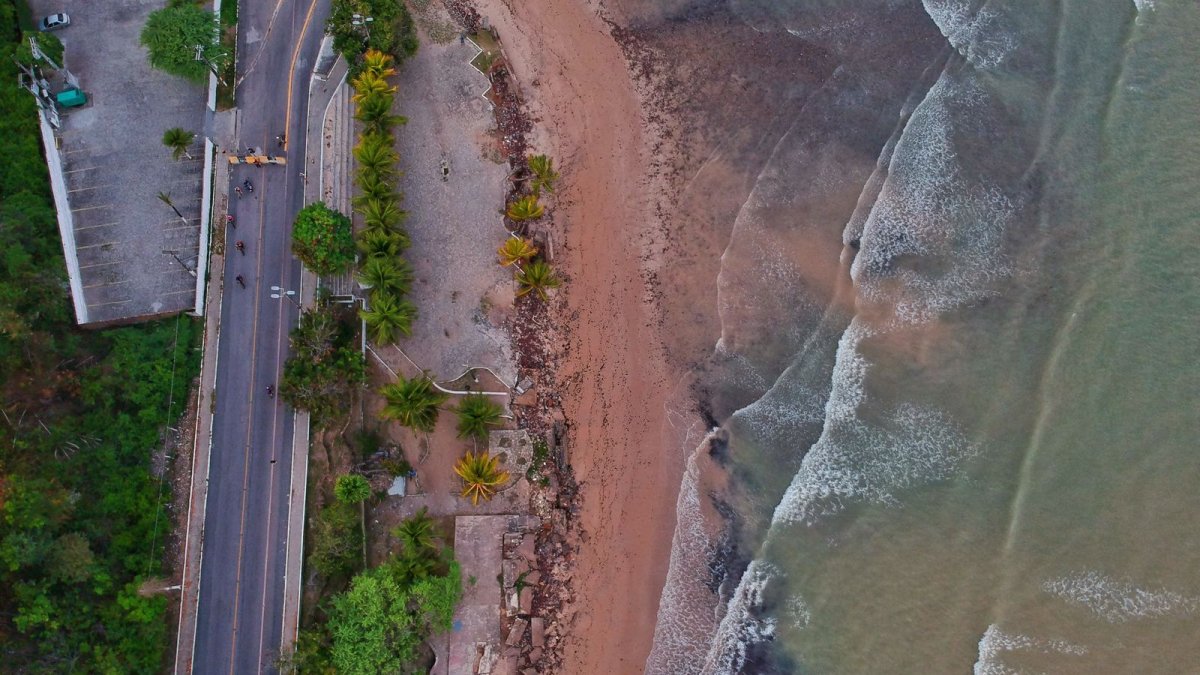
BATON ROUGE, La. — Folks, pull up a chair, because this is one of those stories that demands your full attention. Five people are dead in Louisiana. Nine have been hospitalized. And the culprit is a bacterium that thrives in the very waters so many of us flock to every summer.
On August 6, 2026, the Louisiana Department of Health issued an urgent press release from Baton Rouge, urging residents to take precautions against Vibrio vulnificus — a bacterium found naturally in warm coastal waters. So far this year, nine cases have been reported among Louisiana residents. Five of those nine people died. All nine were hospitalized.
Here's the thing that ought to stop you cold: every single one of those nine cases was linked to a wound exposed to seawater. Not one was tied to eating raw shellfish. That means this isn't about what's on your plate — it's about what's in the water when you have a cut, a scrape, or any break in your skin.
A Deadly Spike: The Numbers Behind the Alarm
To understand why health officials are so on edge, you have to look at the historical baseline. According to ABC News, during the same period in previous years, Louisiana averaged seven cases and one death. This year: nine cases and five deaths. Do the math with me — that's a jump from roughly one death per seven cases to five deaths out of nine. The fatality rate has exploded, and the Louisiana Department of Health is not mincing words.
The grim tally has drawn national attention. The New York Times reported on August 8, 2026, under the headline "Flesh-Eating Bacteria Kills 5 in Louisiana." USA Today followed the same day. Forbes weighed in on August 9, and the Los Angeles Times ran its own account on August 9, noting that Louisiana health officials are warning Gulf Coast beachgoers after the surge in infections.
And Louisiana isn't alone. As of early August, Newsweek reported that six people had died after contracting Vibrio vulnificus in Louisiana and Florida this year — a tally recorded before the state's second 2026 death was confirmed — while cases and warnings have emerged in multiple states. With Florida's additional death now on the books, the combined Gulf Coast toll stands at seven. This is a Gulf Coast story, but its echoes are reaching far beyond.
What Exactly Is Vibrio vulnificus?
Let's get one thing straight: Vibrio vulnificus isn't some exotic invader. It's a bacterium found naturally in warm coastal waters, and it has been part of the Gulf ecosystem for as long as anyone can remember. But "natural" doesn't mean "harmless." Far from it.
The bacterium thrives in warm, brackish water — the kind of environment where fresh water and salt water mix. Think of the spots where rivers meet the Gulf, where bayous wind their way to the sea. Those are prime Vibrio territory. According to the Louisiana Department of Health, the bacteria are found in higher numbers from May to October, when water temperatures climb.
You've probably heard it called "flesh-eating bacteria." That nickname comes from its most terrifying capability: necrotizing fasciitis, a severe wound infection that destroys skin and muscle tissue. It's as brutal as it sounds, and it can move fast. That's why every hour counts when a wound gets infected.
Why This Year Is Different
Here's the question on everyone's mind: why now? Why this sudden spike in deaths? The numbers tell a stark story. Louisiana's historical average for this time of year is seven cases and one death. This year, it's nine cases and five deaths. The case count is up only slightly — but the death toll is five times the norm.
Public health experts are pointing to the conditions that Vibrio loves. The bacteria proliferate in warmer waters, and the window from May to October is when they're at their most abundant. All nine Louisiana cases this year involved wounds exposed to seawater — a reminder that the risk isn't theoretical. It's in the water.
What's especially notable is what didn't happen. Louisiana health officials told Medical Daily that none of the nine cases were attributed to eating raw shellfish. That's a departure from the usual pattern, where oysters often get the blame. This year, the threat is coming from the water itself — from direct contact between open wounds and the brackish, bacteria-laden surf.
Florida's Toll and a Regional Picture
Louisiana isn't the only state feeling the sting. In Florida, the first 2026 death was confirmed in late July — a Palm Beach County resident between the ages of 80 and 84, whose death was reported in June, according to the Florida Department of Health surveillance table and WUSF. A second Florida death was confirmed in early August, per MLive.
To put that in context: Florida recorded 33 cases and five deaths in all of 2025, according to AccuWeather. To already have two deaths confirmed by early August of 2026 — with the hottest months still ahead — is a warning sign that the Gulf Coast is facing a particularly dangerous season.
Combine the states and the picture sharpens. Newsweek's early-August tally of six deaths across Louisiana and Florida — recorded before the second Florida death was confirmed — shows this isn't an isolated Louisiana anomaly. It's a regional pattern, and with cases and warnings emerging in multiple states, the entire Gulf Coast is on alert.
How It Spreads — and Who's Most at Risk
Understanding how Vibrio vulnificus gets into the human body is the first step to avoiding it. According to the Louisiana Department of Health, there are two primary routes of infection. The first: an open wound exposed to coastal waters. The second: eating raw or undercooked seafood, particularly oysters.
This year in Louisiana, it's all been about the wounds. Every one of the nine cases involved seawater exposure through a break in the skin. That means a cut on your foot while wading in the Gulf, a scrape on your leg while fishing in a bayou, a nick on your hand while cleaning crabs — any of these can become a doorway for the bacteria.
The Florida death offers a sobering reminder of who is most vulnerable. The Palm Beach County victim was in the 80-to-84 age bracket. It's a stark illustration that our elderly neighbors and loved ones need to take extra care. While Louisiana officials haven't released details about the ages of the state's victims, the pattern is clear: this bacterium doesn't discriminate, and the consequences can be devastating.
What Louisiana Health Officials Want You to Know
The Louisiana Department of Health's August 6 press release was direct: residents need to take precautions to prevent infection. The agency is urging everyone who spends time in coastal waters to understand the risks and act accordingly. This isn't a vague suggestion — it's a public health directive born from five preventable deaths.
The national media has amplified the warning. The New York Times, USA Today, Forbes, and the Los Angeles Times have all picked up the story, and the message is consistent: Gulf Coast beachgoers need to take this seriously. When outlets from across the country are covering a Louisiana health advisory, you know the stakes are high.
What makes this especially frustrating for public health officials is that these infections are largely avoidable. The precautions aren't complicated, and they don't require giving up summer fun. They just require common sense and a little vigilance.
Protect Yourself: Practical Steps That Save Lives
So what do you actually do? The guidance from the Louisiana Department of Health boils down to a few key actions. First, if you have an open wound — any cut, scrape, or puncture — stay out of coastal waters. Period. If you must go in, cover the wound with a waterproof bandage that won't come off in the surf.
Second, be smart about what you eat. While none of this year's Louisiana cases were linked to shellfish, Vibrio vulnificus can still be transmitted through raw or undercooked seafood, especially oysters. Make sure anything you eat from the water is fully cooked. That's a simple step that closes off an entire route of infection.
Third — and this one could save your life — if you've had a wound exposed to seawater and it starts to look infected, don't wait. Don't rationalize. Don't hope it'll go away. Necrotizing fasciitis destroys skin and muscle tissue, and it can progress rapidly. Seek medical attention immediately and tell your provider about the seawater exposure. Early treatment is everything.
The Bottom Line: This Is On All of Us
Folks, here's the thing about a story like this. It's easy to read the headlines, shake your head, and assume it won't happen to you. But five families in Louisiana are mourning right now. Nine people went to hospitals. And the bacterium behind it all is swimming in waters that millions of people visit every summer.
This is also an accountability moment. Our public health agencies — the Louisiana Department of Health, the Florida Department of Health, and others across the Gulf Coast — are doing their jobs by tracking cases and sounding the alarm. But they can't protect you if you don't listen. The warnings only work if we act on them.
So here's what you can do, starting today. Check the Louisiana Department of Health's website for the latest guidance. Share this information with your family, your neighbors, your fishing buddies. If you have a wound, stay out of the water until it's healed. If you've been in the water and something looks wrong, get to a doctor fast. And keep an eye on the people you love — especially the elderly, who may be most vulnerable.
This is one of those stories where awareness isn't just helpful. It's lifesaving. We've lost five people in Louisiana this year to a bacterium that thrives in our beautiful coastal waters. Let's make sure we don't lose anyone else. Stay safe out there, Gulf Coast. And take this seriously — because it is.
By Jessica Ali, Staff Writer
This article was produced with AI-assisted research and editorial support. Sources: Louisiana Department of Health, The New York Times, USA Today, ABC News, Forbes, Los Angeles Times, Newsweek, Medical Daily, WUSF, MLive, AccuWeather.
What's Your Reaction?
 Like
0
Like
0
 Dislike
0
Dislike
0
 Love
0
Love
0
 Funny
0
Funny
0
 Wow
0
Wow
0
 Sad
0
Sad
0
 Angry
0
Angry
0

Editor-in-Chief at Global1.News. Atlanta-based journalist who cuts through the BS and tells it like it is. Lead anchor, host, and the voice you hear when the spin stops and the truth starts.














Comments (0)