
Cancer patients at NHS trust harmed by years of unnecessary chemotherapy, report finds
The findings, which have prompted a public apology from the trust’s leadership and a call for an independent public inquiry by the legal firm Brabners, raise profound questions about clinical governance, patient safety and the culture of deference that can allow such failures to persist.
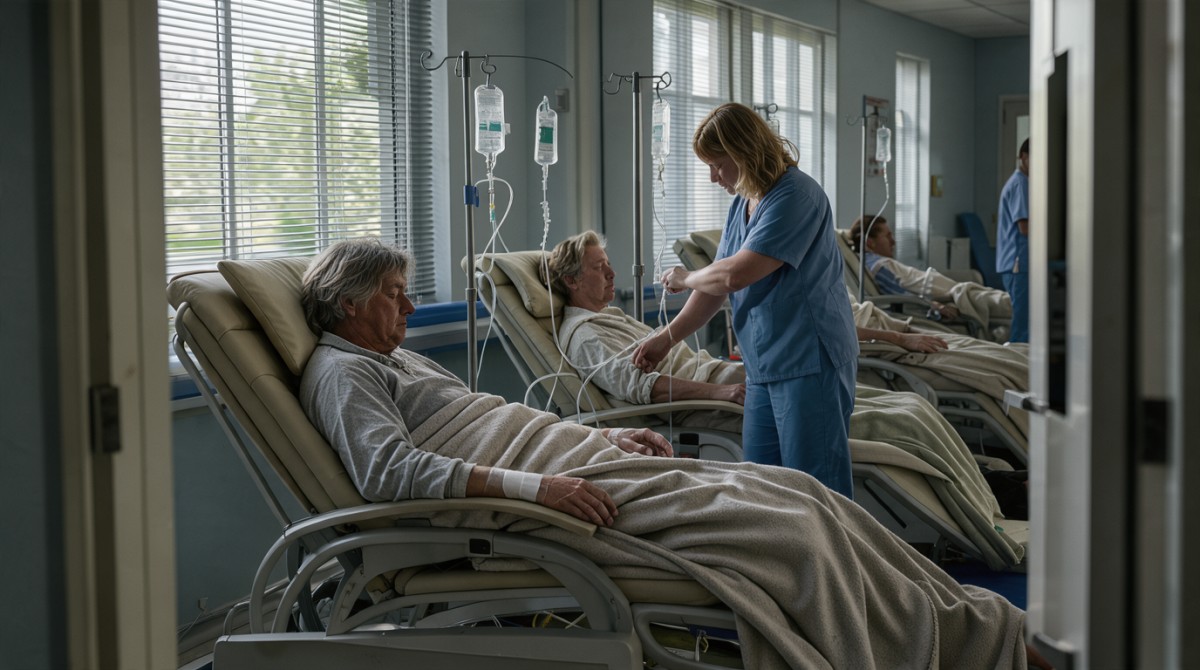
The recent Royal College of Physicians (RCP) inquiry into the neuro‑oncology service at University Hospitals Coventry and Warwickshire NHS Trust has uncovered a disturbing pattern of over‑treatment and misdiagnosis that left at least twenty brain‑tumour patients exposed to years of unnecessary chemotherapy. The findings, which have prompted a public apology from the trust’s leadership and a call for an independent public inquiry by the legal firm Brabners, raise profound questions about clinical governance, patient safety and the culture of deference that can allow such failures to persist.
Scope of the investigation and key findings
The RCP commissioned the report after concerns were raised by colleagues of the retired clinical oncologist Prof Ian Brown, whose tenure ended in 2023. The investigation focused on the treatment histories of twenty patients who had been under his care. Of these, fifteen were judged to have received unsatisfactory care, while five were classified as needing improvement. The central criticism was the prolonged administration of temozolomide (TMZ), a chemotherapy agent typically prescribed for a limited course, without clear evidence that continued cycles offered any therapeutic benefit.
In several cases, patients remained on TMZ even after their tumours had progressed, a point at which standard practice would shift to supportive care aimed at symptom management rather than aggressive chemotherapy. The report also highlighted instances where patients were misdiagnosed with high‑grade glioblastoma, a deadly form of brain cancer, when in fact they harboured low‑grade tumours such as grade‑1 pilocytic astrocytoma, which generally carry a favourable prognosis and do not require chemotherapy.
Individual stories that illustrate systemic failings
One of the most stark examples is the case of Becky Jones, who endured more than 100 cycles of TMZ over a decade after being incorrectly told she had a grade‑4 glioblastoma and only six to twelve months to live. Jones recalled repeatedly questioning the necessity of ongoing treatment as her scans remained stable, yet she was repeatedly warned that cessation would be fatal. Her testimony underscores a troubling dynamic in which patients’ concerns were dismissed, reinforcing a culture of unquestioned authority.
Another patient endured a ten‑year chemotherapy regimen that resulted in “significant toxicity”, including chronic fatigue, severe nausea, and a bout of shingles severe enough to require hospital admission. The physical toll of such prolonged treatment, coupled with the psychological burden of believing they were facing imminent death, illustrates the compounded harm inflicted by the trust’s mismanagement.
Governance lapses and the role of senior leadership
Prof Andy Hardy, chief executive of the trust, and Sue Noyes, its chair, issued a formal apology, acknowledging the “concern, distress and loss of trust” experienced by patients and families. Their statements, while compassionate in tone, concede that the findings “raise serious questions about individual clinical decisions and historical governance.” The admission that an “apology alone cannot undo the issues experienced” signals an awareness that systemic change is required, yet the report stops short of detailing concrete remedial actions beyond a recommendation for an independent review of all living patients who have received more than twelve cycles of TMZ.
The governance failure appears rooted in a lack of robust oversight of long‑term chemotherapy protocols, particularly when a senior clinician retires and his patients are handed over to successors. The trust’s reliance on the clinical judgement of a single oncologist, without routine multidisciplinary review of extended treatment courses, created an environment where inappropriate continuation of chemotherapy could go unchecked.
Legal ramifications and the push for a public inquiry
Legal representation for more than forty affected patients is being handled by the firm Brabners, which has called for an independent public inquiry. Such an inquiry would have the authority to examine not only the clinical decisions made by Prof Ian Brown but also the institutional processes that allowed those decisions to persist unchecked. The call for a public inquiry reflects a broader demand for accountability within the NHS, where patients increasingly expect transparent investigations when systemic failures occur.
While the RCP report itself does not assign legal liability, the involvement of a law firm representing a sizeable cohort of patients suggests that potential claims for compensation and systemic reform are on the horizon. The public inquiry, if granted, could set a precedent for how NHS trusts handle long‑term oncology care and the mechanisms by which they audit and intervene in cases of possible overtreatment.
Implications for chemotherapy practice and patient safety
The misuse of temozolomide highlighted by the report underscores the need for clear, evidence‑based guidelines governing the duration of chemotherapy in brain‑tumour patients. Current practice typically limits TMZ to a defined number of cycles, after which the benefits must be reassessed against the risk of cumulative toxicity. The trust’s deviation from this standard, without documented justification, points to a gap in the monitoring of treatment efficacy and side‑effects.
Patients like Jones, who were told that stopping treatment would be fatal, were denied the opportunity to engage in shared decision‑making—a cornerstone of modern medical ethics. The report’s recommendation that all living patients who have exceeded twelve cycles undergo independent review is a pragmatic step, but it also highlights the reactive nature of the response. Proactive safeguards, such as mandatory second‑opinion reviews at set treatment milestones, could prevent similar scenarios in the future.
Broader context: NHS pressures and the risk of overtreatment
The Coventry and Warwickshire case does not exist in isolation. Across the NHS, increasing pressures on oncology services have sometimes led clinicians to adopt a “better safe than sorry” approach, extending treatment in the hope of marginal benefit. However, the fine line between diligent care and overtreatment can be blurred, especially when patients are vulnerable and trust the medical authority implicitly.
In an environment where resources are stretched, the temptation to rely on established protocols rather than continuous re‑evaluation can be strong. The trust’s failure to reassess the necessity of prolonged TMZ cycles reflects a systemic issue: the need for robust audit mechanisms that flag unusually long treatment courses for review. Embedding such checks could help balance the dual imperatives of offering hope and avoiding unnecessary harm.
What comes next for the trust and its patients?
In the immediate term, the trust has pledged to review the cases of all patients who have received more than twelve cycles of TMZ, ensuring that each case is examined independently. The public apology from senior leadership, while a necessary first step, must be matched by transparent action plans, including timelines for the reviews, clear communication with affected patients, and a public report on the outcomes.
Beyond the internal review, the potential public inquiry looms as a critical juncture. If granted, it could compel the trust to overhaul its governance structures, introduce mandatory multidisciplinary case reviews, and establish patient‑centred pathways for discussing treatment cessation. For the dozens of patients still under care, the inquiry could provide the validation and closure that many, like Becky Jones, are seeking after years of uncertainty and suffering.
This article was produced with AI-assisted research and editorial support. Reporting is based on the source material cited below. Sources: The Guardian UK; theguardian.com; Global1.News (18 November 2026).
By Erica Thornton, Staff Writer
What's Your Reaction?
 Like
0
 Dislike
0
 Love
0
 Funny
0
 Wow
0
 Sad
0
 Angry
0

US Politics and Policy Correspondent at Global1.News. Based in Washington DC, covering American politics, policy, elections, and the courts. Knows how the system works and tells you what it actually means.














Comments (0)