
Counterfeit Blood Pressure Drug Ring Busted: 36,000 Fake Nifedipine Tablets Seized
On August 26, at approximately 9:45 pm, the Ahmedabad City Crime Branch, acting in concert with the Gujarat Food and Drugs Control Administration (FDCA), dismantled an interstate counterfeit medicine syndicate, arresting three individuals accused of manufacturing and distributing fake hypertension drugs.
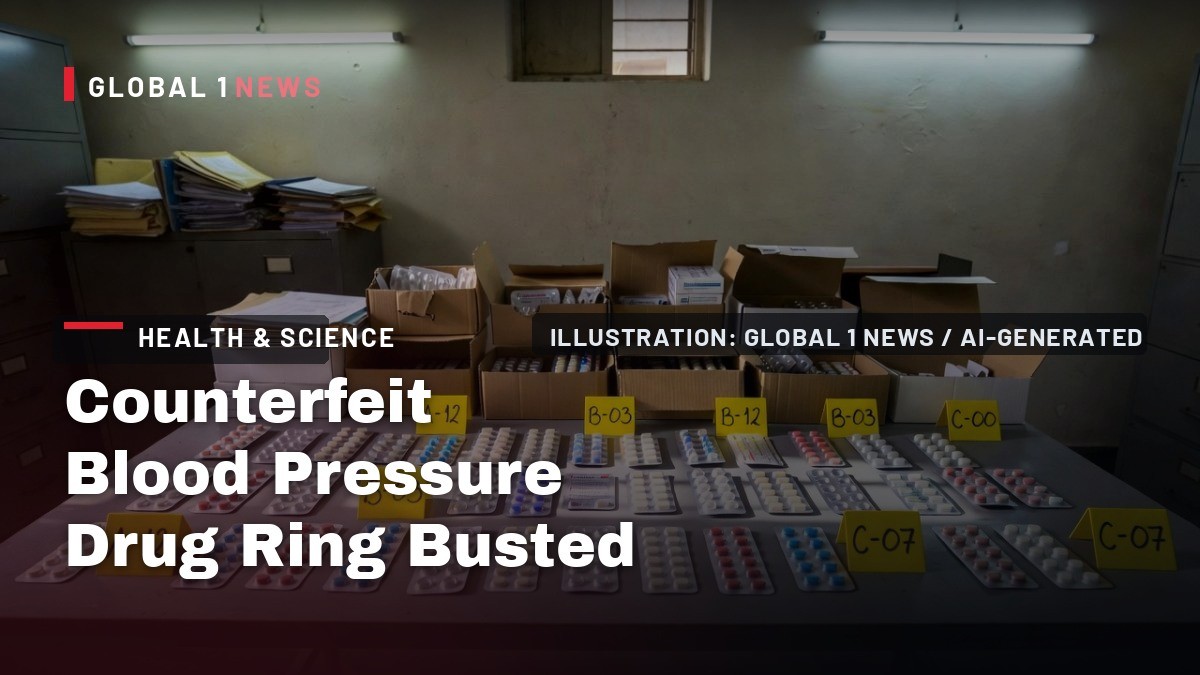
On August 26, at approximately 9:45 pm, the Ahmedabad City Crime Branch, acting in concert with the Gujarat Food and Drugs Control Administration (FDCA), dismantled an interstate counterfeit medicine syndicate, arresting three individuals accused of manufacturing and distributing fake hypertension drugs. The operation, which spanned Gujarat, Uttar Pradesh, and Rajasthan, was triggered by a formal complaint from JB Chemicals & Pharmaceuticals Limited regarding the circulation of spurious Nifedipine tablets bearing the company’s genuine batch details. With hypertension affecting roughly one in three Indian adults, the infiltration of counterfeit antihypertensive medication into the legitimate supply chain represents a direct threat to public health and a significant failure of regulatory oversight.
Counterfeit Blood Pressure Drug Ring Busted: 36,000 Fake Nifedipine Tablets Traced Across Three States as Ahmedabad Police and FDCA Unravel Interstate Network
Ahmedabad, Gujarat – August 28 — The Ahmedabad City Crime Branch and the Gujarat FDCA have arrested three men for the manufacture, procurement, and interstate distribution of counterfeit NICARDIA RETARD 10 (Nifedipine Sustained Release Tablets IP 10 mg), a widely prescribed calcium channel blocker used to treat hypertension and angina. The arrests, made on August 26, followed a complaint lodged by JB Chemicals & Pharmaceuticals Limited on August 19, which alerted authorities to the circulation of fake tablets bearing Batch No. ACG25007, manufactured in June 2025 and expiring in May 2028. The accused have been identified as Dashil, 39, of Ahmedabad; Devendra, 39, of Lucknow; and Umang, 34, of Lucknow. The case has been registered at the DCB Police Station, Ahmedabad City, under multiple sections of the Bharatiya Nyasa Sanhita (BNS), 2023, including Sections 276, 277, 316(4), 336(2), 336(3), 338, 339, 340(2), 341(1), 111, 49, and 61, which pertain to offences relating to spurious drugs, adulteration, and criminal conspiracy.
The Anatomy of the Seizure: From Nadiad to Lucknow
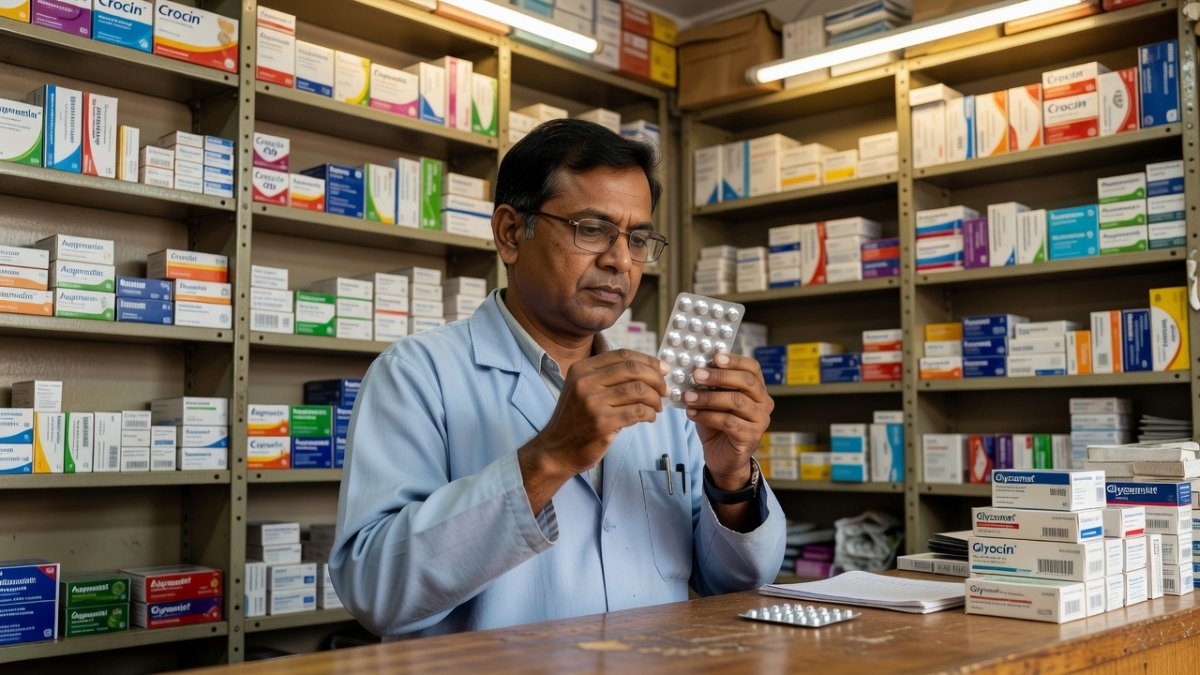
The investigation, directed by Gujarat Minister of State for Home Harsh Sanghavi and supervised by the Ahmedabad City Commissioner of Police, involved separate Crime Branch and FDCA teams tasked with tracing the counterfeit stock. The first breakthrough came with the seizure of 30 strips of counterfeit NICARDIA RETARD 10 from Kishan Medical Store in Nadiad, a town in Gujarat’s Kheda district. Further quantities were recovered from Navkar Medical Agency and Mahadev Medical Agency in Bhuj, the district headquarters of Kutch. The Kutch stock was traced through AVR Medicose in Jaipur, Rajasthan, revealing a supply chain that extended well beyond Gujarat’s borders.
The trail led investigators to Parshva Medical Agency in Paldi, central Ahmedabad, which had reportedly supplied the counterfeit medicines to medical stores across Gujarat. The stock itself originated from Sena Medical in Lucknow, Uttar Pradesh, with additional links to Jaipur. According to additional reporting, approximately 36,000 counterfeit tablets were supplied outside Uttar Pradesh, and a suspected manufacturing hub in Uttarakhand is now under investigation, with police teams dispatched to trace the facility. The accused allegedly manufactured and packaged the counterfeit tablets to closely resemble the genuine product, including its name, labelling, and batch details, making detection difficult for chemists and consumers alike.
What This Means for India: The Persistent Threat of Spurious Drugs
India is one of the world’s largest producers of generic medicines, yet the persistence of counterfeit drugs remains a chronic regulatory challenge. The CDSCO and state FDCA bodies are the frontline enforcement agencies. The World Health Organization has estimated that one in ten medical products circulating in low- and middle-income countries is substandard or falsified, and India, with its vast pharmaceutical output and complex distribution networks, is particularly vulnerable. The NICARDIA RETARD 10 case illustrates how counterfeiters exploit supply-chain gaps, inserting fake products into legitimate channels through small medical agencies and sub-distributors.
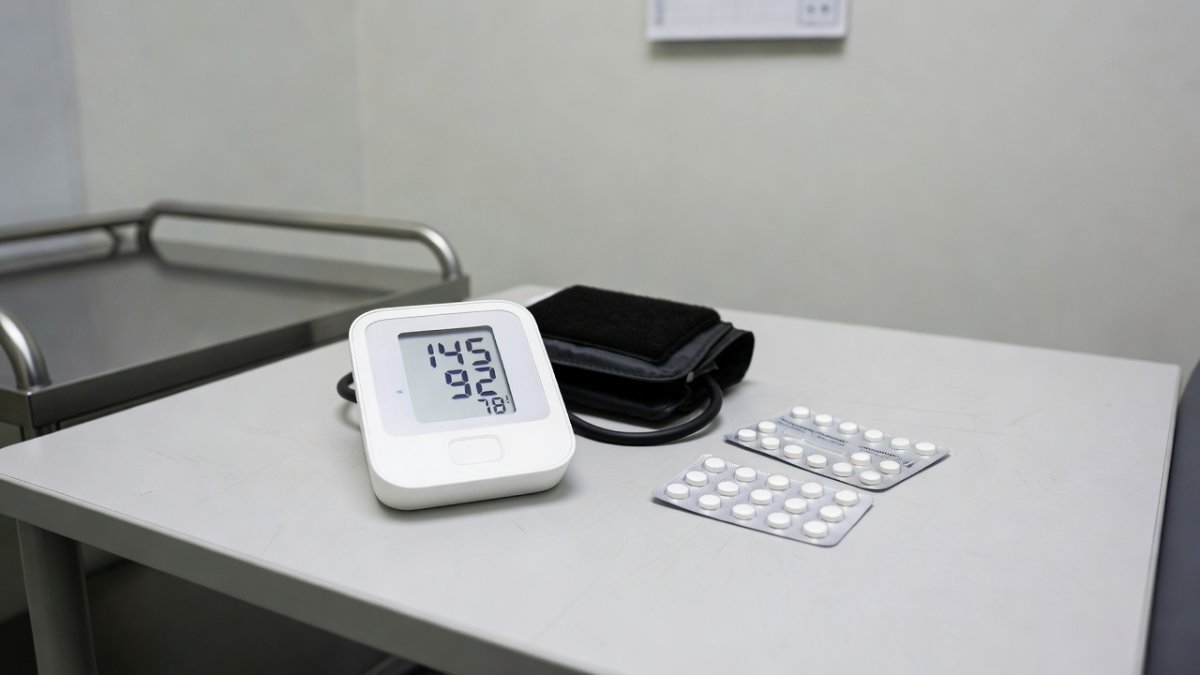
For Indian patients, the implications are severe. Nifedipine is a critical medication for managing hypertension, a condition that affects roughly one in three Indian adults and is a leading risk factor for heart attack and stroke. A counterfeit tablet may contain the wrong active ingredient, an incorrect dosage, or no active ingredient at all, rendering the treatment ineffective and potentially causing dangerous fluctuations in blood pressure. In a country where access to quality healthcare is already uneven, the presence of spurious drugs in the market undermines patient trust and complicates clinical management of chronic diseases. The Gujarat FDCA’s appeal to medical stores, agencies, hospitals, and patients who may have purchased the counterfeit medicine to contact the Ahmedabad City Crime Branch underscores the urgency of removing these products from circulation.
The Supply Chain Vulnerability: How Counterfeiters Operate
The modus operandi is instructive. Dashil, the Ahmedabad-based accused, allegedly procured and supplied counterfeit medicines to sub-distributors, while Devendra and Umang, both from Lucknow, allegedly procured the medicines at heavily discounted prices and supplied them to Gujarat. This division of labour is typical of counterfeit drug networks, which rely on price differentials and fragmented distribution systems to move fake products across state lines. The counterfeit tablets carried the genuine company’s name, batch number, and labels — a sophisticated level of packaging replication mimicking legitimate production.
The involvement of medical agencies in Paldi, Nadiad, Bhuj, and Jaipur suggests that the counterfeiters had established relationships with legitimate distributors, either knowingly or unknowingly. The investigation is continuing to identify manufacturers, suppliers, distributors, and medical agencies, with police teams deployed in Jaipur, Lucknow, Ahmedabad, and other districts. The suspected manufacturing hub in Uttarakhand, if confirmed, would represent a significant escalation in the scale of the operation, as it would indicate a dedicated production facility capable of generating large volumes of counterfeit tablets for interstate distribution.
Regulatory and Legal Implications: The BNS 2023 Framework
The case has been registered under the Bharatiya Nyasa Sanhita (BNS), 2023, which replaced the Indian Penal Code. The cited sections relate to adulteration of drugs, spurious drugs, and criminal conspiracy, reflecting the law’s intent to address counterfeit pharmaceuticals. Section 276 and 277 of the BNS deal with offences related to adulteration and sale of spurious drugs, while Sections 336(2) and 336(3) pertain to criminal conspiracy and abetment. The inclusion of Sections 338, 339, 340(2), and 341(1) suggests charges related to cheating, fraud, and causing harm, which are applicable given the potential health consequences for patients who consumed the counterfeit tablets.
The legal action against the accused is a positive step, but it raises broader questions about the effectiveness of India’s drug regulatory framework. The FDCA and CDSCO have limited resources relative to the scale of the pharmaceutical market, and enforcement actions are often reactive, triggered by complaints from companies like JB Chemicals rather than proactive surveillance. The Gujarat FDCA’s swift response, acting on the company’s complaint within a week, is commendable, but it highlights the need for stronger mechanisms to prevent counterfeit drugs from entering the supply chain in the first place.
The Economic and Public Health Cost of Counterfeit Drugs
The economic impact extends beyond immediate health risks. For companies like JB Chemicals, counterfeit products erode brand value and revenue, undercutting legitimate sales. The cost of investigating and litigating such cases, borne by both the company and the state, adds to the financial burden. For the healthcare system, counterfeit drugs lead to treatment failures, increased hospitalisations, and higher costs, as patients require additional interventions to manage inadequately treated conditions.
Public health experts have long warned that counterfeit drugs are not merely a regulatory nuisance but a serious threat to patient safety. In the case of hypertension, where consistent medication adherence is critical to preventing cardiovascular events, a counterfeit tablet that fails to deliver the correct dose of Nifedipine could have life-threatening consequences. Because the counterfeit tablets moved through legitimate medical stores in Nadiad and Bhuj, patients may have unknowingly consumed substandard medication for weeks, compromising their blood pressure control.
The Bottom Line
The arrests and the seizure of counterfeit NICARDIA RETARD 10 tablets represent a significant enforcement action, but they also expose the fragility of India’s pharmaceutical supply chain. With approximately 36,000 counterfeit tablets supplied outside Uttar Pradesh and a suspected manufacturing hub in Uttarakhand under investigation, the scale of the operation suggests that this is not an isolated incident but part of a broader pattern of counterfeit drug production and distribution in India. The Gujarat FDCA and Ahmedabad City Crime Branch have demonstrated that coordinated enforcement can yield results, but the underlying vulnerabilities—fragmented distribution networks, inadequate regulatory oversight, and the high demand for affordable medicines—remain. For Indian patients, the lesson is clear: vigilance is essential, and the authenticity of even the most familiar medications cannot be taken for granted. The investigation, with teams deployed across Jaipur, Lucknow, Ahmedabad, and other districts, must now dismantle the entire network, from the Uttarakhand hub to Gujarat’s retail outlets, and hold those responsible accountable under the BNS 2023.
— By Dr. Raj Patel, Staff Writer
This article was produced with AI-assisted research and editorial support. Sources: NDTV, Republic World, Telangana Today, Gujarat Samachar.
What's Your Reaction?
 Like
0
Like
0
 Dislike
0
Dislike
0
 Love
0
Love
0
 Funny
0
Funny
0
 Wow
0
Wow
0
 Sad
0
Sad
0
 Angry
0
Angry
0

India/South Asia Correspondent at Global1.News. Analytical voice with a background in science and health journalism. Based in New Delhi, covering Indian politics, education, healthcare, technology, and policy. Breaks down complex data into clear, actionable reporting.













Comments (0)