
Reused Cooking Oil Risks: FSSAI TPC Limits, RUCO and Health Dangers
The humble samosa or pakora, fried to golden perfection at a roadside stall in Delhi or Mumbai, is a staple of Indian culinary life. But the oil that creates that crispy exterior often has a hidden history—one that may involve multiple heating cycles, burnt food particles, and chemical degradation t
The humble samosa or pakora, fried to golden perfection at a roadside stall in Delhi or Mumbai, is a staple of Indian culinary life. But the oil that creates that crispy exterior often has a hidden history—one that may involve multiple heating cycles, burnt food particles, and chemical degradation that poses serious health risks. In a recent Health360 conversation with India Today's Sneha Mordani, celebrity chef Sanjeev Kapoor addressed this widespread practice, offering a nuanced perspective that balances consumer safety with fairness to the restaurant industry.
Reused Cooking Oil in India: The 25% TPC Danger Limit, Health Risks, and What Sanjeev Kapoor Says About Restaurant Practices
New Delhi – August 24, 2026 — The conversation around cooking oil in Indian kitchens—both commercial and domestic—has shifted from flavour to safety. With the Food Safety and Standards Authority of India (FSSAI) enforcing a strict 25 per cent Total Polar Compounds (TPC) limit, and the National Human Rights Commission (NHRC) stepping in to demand action, the question of how many times oil can be safely reused is no longer just a culinary debate. It is a public health issue affecting millions of Indians who consume deep-fried foods daily.
The Core Problem: Burnt Particles and Repeated Heating
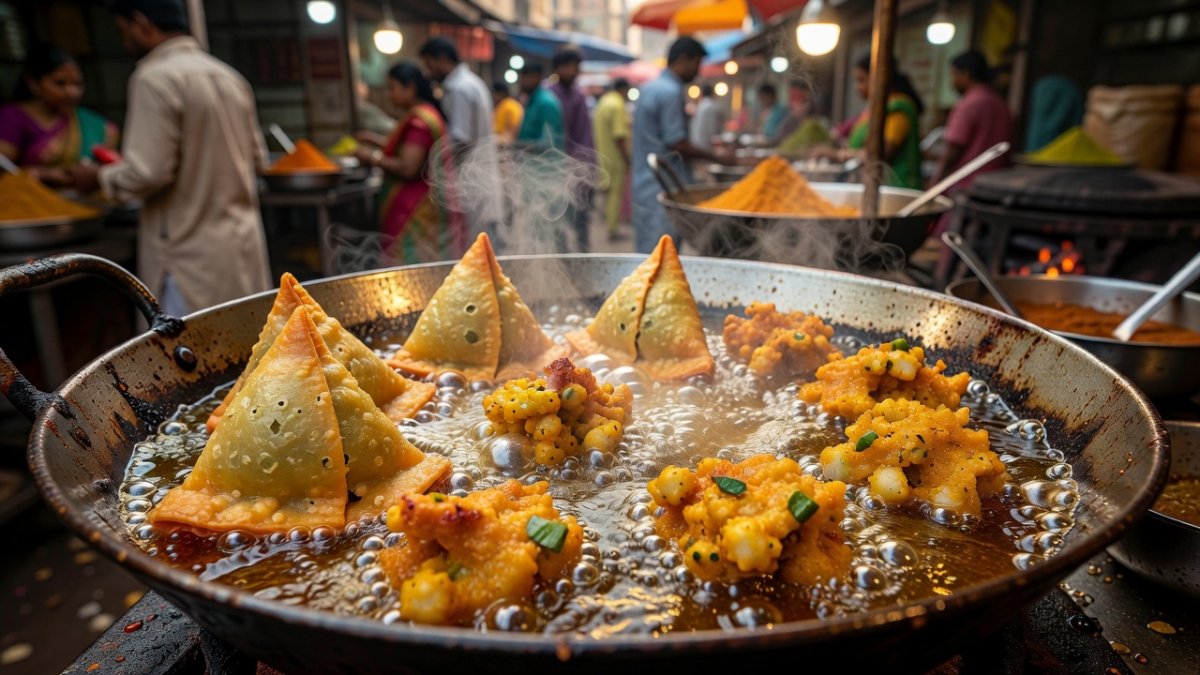
Chef Sanjeev Kapoor, in his interview with India Today, pinpointed the real danger: repeatedly heating oil that contains burnt food particles. Kapoor’s core message was that the danger is not the oil alone but what accumulates in it during frying — the burnt food particles left behind after each batch. When oil is heated to high temperatures—typically 160-180°C for deep frying—food particles left in the oil begin to carbonise. These burnt remnants accelerate the breakdown of the oil's chemical structure, leading to the formation of harmful compounds.
Kapoor's practical advice is straightforward: properly straining and filtering used oil can make a significant difference. By removing these food particles immediately after frying, the oil's usable life can be extended, and the rate of degradation slows considerably. This is a simple step that many roadside vendors in cities like Lucknow or Indore, known for their street food, often skip due to time constraints or lack of awareness.
[ ]
]
FSSAI's Regulatory Framework: The 25% TPC Rule
The FSSAI has established a clear, scientific benchmark for when oil becomes unfit for consumption. The maximum permissible limit of Total Polar Compounds (TPC) in cooking oil is 25 per cent. TPC is a measure of the breakdown products formed when oil is heated—including free fatty acids, diglycerides, and oxidised triglycerides. When oil exceeds this 25 per cent threshold, it is legally deemed unfit for human consumption.
Critically, the regulation states that oil above this limit cannot be "topped up" with fresh oil to dilute the concentration. This practice, sometimes seen in budget eateries, is explicitly prohibited. The enforcement mechanism is robust: under the Food Safety and Standards Act, 2006, using oil beyond the TPC limit can draw fines of up to Rs 5 lakh and the registration of criminal cases. State food safety officials are empowered to conduct surprise inspections and test oil samples from restaurants and street vendors.
Health Risks: What Degraded Oil Does to Your Body
The scientific evidence linking reused cooking oil to adverse health outcomes is compelling and well-documented. Repeated heating degrades oil at a molecular level, leading to the formation of several dangerous substances: trans fats, aldehydes, acrylamide, polycyclic aromatic hydrocarbons (PAHs), and free radicals. These are not inert chemicals; they are biologically active compounds with documented toxicity.
The health implications are severe. Cardiologists and public-health experts have long warned that trans fats and oxidised lipids contribute directly to elevated cholesterol levels and an increased risk of heart disease. Aldehydes and PAHs are classified as potential carcinogens, with links to cancer risk. Emerging research also suggests a connection between these compounds and dementia risk, liver damage, and increased diabetes risk. For Indian families, where deep-fried snacks are a weekly—if not daily—occurrence, this is a significant dietary hazard that often goes unnoticed.
FSSAI Guidance: The Three-Reheat Rule and Safer Practices
To provide practical guidance, FSSAI has stated that cooking oil should not be reheated more than three times. However, food-safety experts advocate for a more conservative approach, suggesting that reusing oil only once is significantly safer for health. The discrepancy highlights a gap between regulatory minimums and optimal health practices.
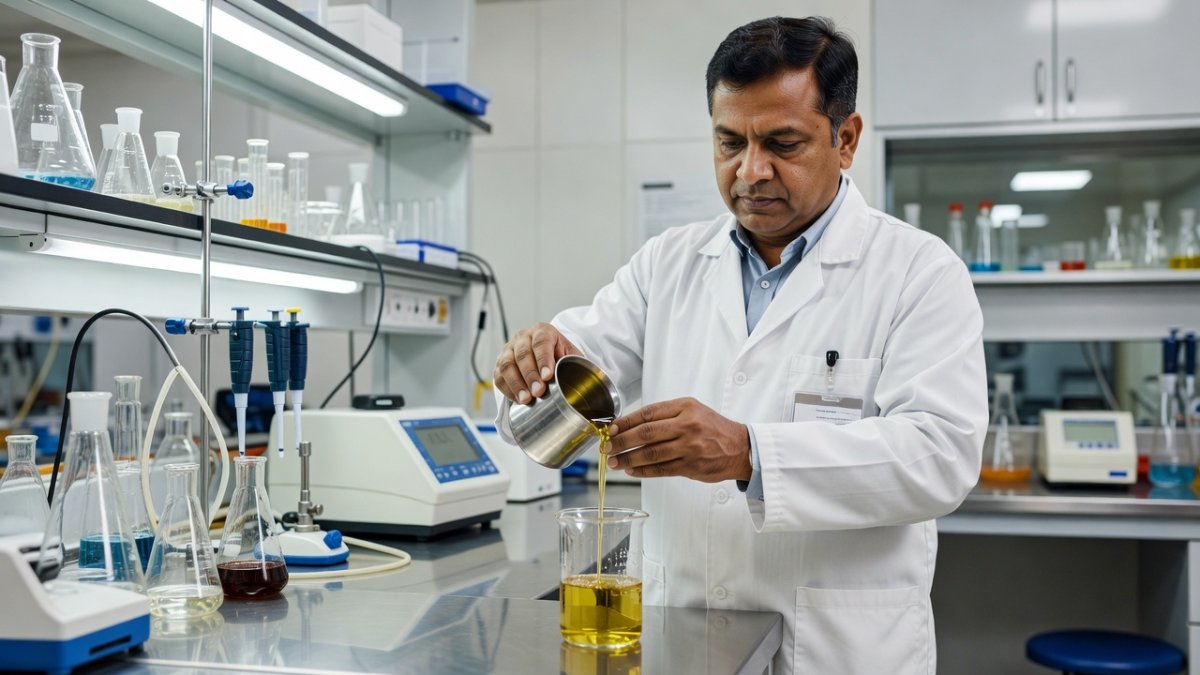
For home cooks in Indian kitchens, the visible warning signs of degraded oil are easy to spot once you know what to look for. Dark colour, persistent foaming on the surface, an off or rancid smell, increased viscosity (oil that feels thicker), and oil that starts smoking at lower temperatures than usual are all red flags. If your oil exhibits any of these signs, it has likely crossed the safety threshold and should be discarded immediately, regardless of how many times it has been used.
[ ]
]
The RUCO Initiative: Turning Waste into Fuel
Recognising that used cooking oil (UCO) is a resource, not just a waste product, FSSAI launched the Repurpose Used Cooking Oil (RUCO) initiative. This program collects used oil from food businesses and routes it to biodiesel manufacturing units, creating a circular economy. The scale of this operation is significant. For example, Karnataka collected 32.69 lakh litres of used cooking oil across financial years 2024-25 and 2025-26, as reported on July 31, 2025, and routed it to biodiesel units.
Beyond biodiesel, UCO is increasingly being used to produce sustainable aviation fuel (SAF). This is a global trend, with major airlines exploring SAF to reduce their carbon footprint. Chef Kapoor highlighted this positive aspect in his interview, noting that properly collected UCO has a valuable second life. This initiative not only addresses the health hazard of oil reuse but also contributes to India's energy security and environmental sustainability goals.
NHRC Intervention: A Call for State-Wise Action
The public health concern reached the highest levels of human rights oversight in October 2025. The National Human Rights Commission (NHRC) issued a notice to FSSAI and the Union Health Ministry, demanding a state-wise action-taken report. The NHRC found "widespread" reuse of cooking oil by roadside vendors and eateries, a practice it called a serious threat to public health.
The Commission's notice specifically highlighted the dangers of dark, foamy, or overheated oil and demanded tighter checks on how such oil is disposed of or reintroduced into the food chain. The NHRC's warning about heart, liver, and diabetes risks underscores the severity of the issue. This intervention signals that the problem is not isolated but systemic, requiring coordinated action from state food safety departments across India, from Punjab to Kerala.
Industry Perspective: Education Over Condemnation
Chef Kapoor's most striking statement was his caution against painting the entire restaurant industry with the same brush. "Whoever does business is not a thief," he said, arguing that the vast majority of restaurant owners and street vendors are not intentionally trying to harm their customers. He acknowledged that those violating food safety norms should be punished, but he emphasised that the industry also needs education and greater awareness about responsible cooking practices.
This perspective is crucial for policy formulation. A purely punitive approach may drive violations underground, while an educational campaign—combined with targeted enforcement—can create lasting change. For the millions of small eateries and street food vendors in cities like Jaipur, Hyderabad, and Kolkata, understanding the science behind oil degradation and the practical steps to mitigate it could be more effective than the threat of fines alone.
The Bottom Line
The data is unambiguous: oil reused beyond the FSSAI's 25 per cent TPC limit is a health hazard, linked to heart disease, cancer, and metabolic disorders. The regulatory framework exists, with fines up to Rs 5 lakh and criminal prosecution as deterrents. The NHRC has applied pressure for state-level enforcement. Yet, the practice persists, driven by cost pressures and a lack of awareness.
For Indian consumers, the takeaway is clear: be vigilant. Whether you are buying a plate of bhajiyas from a Mumbai street vendor or frying jalebis at home in Delhi, pay attention to the oil's colour, smell, and behaviour. For the industry, the path forward involves embracing the RUCO initiative, adopting better filtration practices, and understanding that food safety is not a cost but an investment in customer trust. The conversation started by Sanjeev Kapoor and India Today is a necessary step toward a healthier, more responsible Indian food ecosystem.
— By Dr. Raj Patel, Staff Writer
- [FSSAI's New Rules on Food Safety: What Restaurants Must Know](https://www.global1.news/fssai-food-safety-rules-restaurants) - [The Hidden Dangers of Trans Fats in Indian Street Food](https://www.global1.news/trans-fats-indian-street-food-health) - [Sustainable Aviation Fuel: India's Green Aviation Push](https://www.global1.news/india-sustainable-aviation-fuel) - 🍳 How many times can you safely reuse cooking oil? FSSAI says 3 max, experts say 1. Sanjeev Kapoor explains the risks of TPC >25% & the RUCO biofuel solution. Heart disease, cancer, dementia—what's at stake. #FoodSafety #CookingOil #SanjeevKapoor #FSSAI #HealthIndia - India Today: Reused Cooking Oil: When Does It Become Unsafe? Sanjeev Kapoor Explains | Health360 | Sneha Mordani — https://www.youtube.com/watch?v=K921Yhx21AIThis article was produced with AI-assisted research and editorial support. Reporting is based on sources cited in the article.
What's Your Reaction?
 Like
0
Like
0
 Dislike
0
Dislike
0
 Love
0
Love
0
 Funny
0
Funny
0
 Wow
0
Wow
0
 Sad
0
Sad
0
 Angry
0
Angry
0

India/South Asia Correspondent at Global1.News. Analytical voice with a background in science and health journalism. Based in New Delhi, covering Indian politics, education, healthcare, technology, and policy. Breaks down complex data into clear, actionable reporting.














Comments (0)