
Expert warns of nationalists exploiting the ‘Scarlet Heart Thailand’ debate, undermining Thai-Myanmar relations
When GMMTV announced the upcoming stage adaptation of its drama “Scarlet Heart Thailand,” few could have imagined that a single costume choice would ignite a broader debate across the Thai‑Myanmar border.
When GMMTV announced the upcoming stage adaptation of its drama “Scarlet Heart Thailand,” few could have imagined that a single costume choice would ignite a broader debate across the Thai‑Myanmar border. The controversy, centered on the use of traditional Burmese court attire, has quickly become a flashpoint for nationalist sentiment in both countries. As the performance draws near, scholars and community leaders warn that the heated rhetoric threatens the long‑standing goodwill between Thai and Myanmar peoples, a relationship nurtured through centuries of shared culture, Buddhist values, and labor migration.
Origins of the dispute
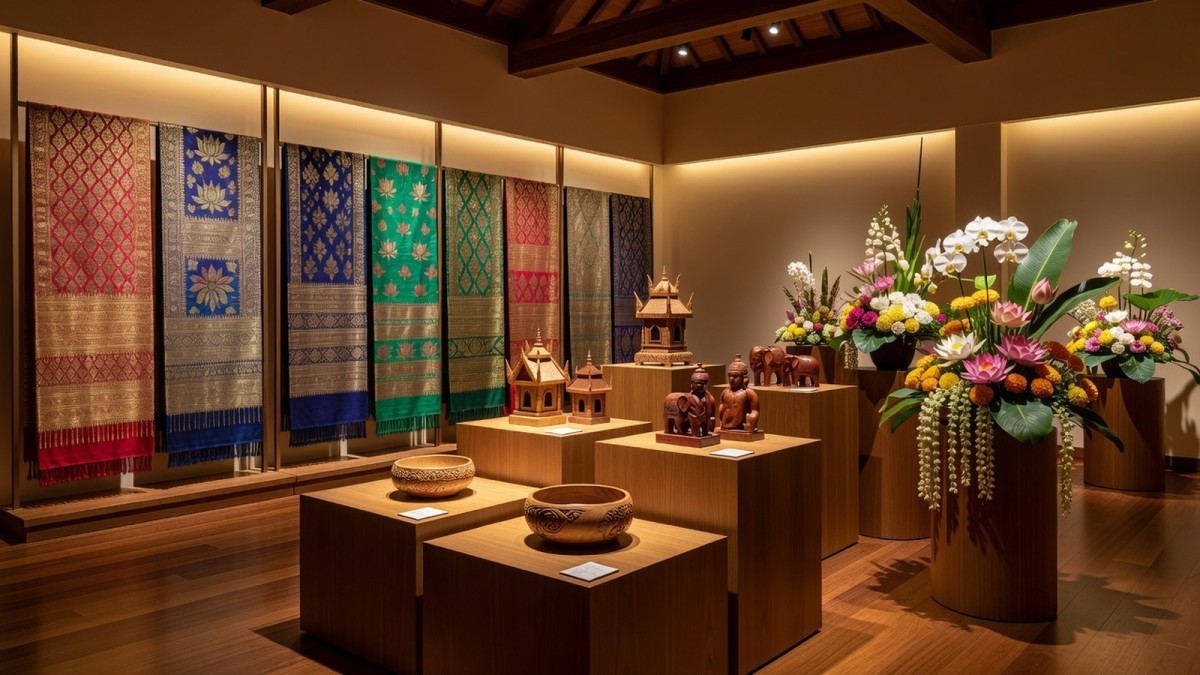
The drama, produced by the well‑known Thai entertainment firm GMMTV, incorporates costumes inspired by the historic courts of Myanmar. While the creative intent was to evoke a romantic, period setting, critics argue that the visual homage crosses into cultural appropriation, especially when the production’s title emphasizes “Thailand” without acknowledging the Burmese source of the attire. Assistant Professor Lalita Harnwong, a specialist on Myanmar at Kasetsart University, highlighted this omission as a key factor inflaming public anger.
Professor Harnwong told Khaosod English that the drama’s name, featuring the word “Thailand” while borrowing Burmese motifs, sends a message that the cultural elements are being claimed as Thai. She affirmed that the issue is not merely about a costume, but about the broader perception that Thai creators are profiting from another nation’s heritage without proper credit or dialogue.
Nationalist narratives on both sides
In Thailand, nationalist groups have seized on the costume controversy to advance a narrative that Myanmar migrant workers are “stealing Thai jobs.” This rhetoric taps into existing anxieties about the large presence of Myanmar laborers in Thai markets, factories, and construction sites. By linking the drama’s perceived cultural theft to economic competition, these groups amplify resentment toward the migrant community.
Across the border, the Myanmar regime is also leveraging the dispute. According to Professor Harnwong, authorities are encouraging young men who fled conflict and military conscription to return home, framing the drama controversy as part of a broader call for national unity. The regime’s stance illustrates how cultural disagreements can be repurposed to serve political objectives, especially in a context where migration and labor mobility are already sensitive topics.
The scale of Myanmar migration in Thailand
Professor Harnwong estimated that between six and seven million migrant workers from Myanmar are currently employed in Thailand. This massive labor flow underpins many sectors of the Thai economy, from agriculture to urban services, and reflects a long‑standing pattern of cross‑border movement rooted in shared cultural and religious ties. The sheer number of migrants makes any public debate about their presence highly charged, as it touches on livelihoods, community cohesion, and national identity.
While the professor acknowledged that Myanmar people have a right to feel angry about the perceived appropriation, she cautioned that the anger should not be manipulated by groups with ill intentions. She emphasized that the core issue—respect for cultural heritage—must be addressed without allowing nationalist fervor to eclipse genuine concerns about fairness and acknowledgment.
GMMTV’s response and the call for clarity
In the wake of the backlash, Professor Harnwong urged GMMTV to issue a clear, public statement affirming that the company had no intention of appropriating Burmese costumes or culture. She suggested that a prompt apology and an acknowledgement of the source of the attire could help defuse tensions “as quickly as possible.” Such a gesture, she argued, would demonstrate respect for Myanmar’s cultural heritage and signal a willingness to engage in constructive dialogue.
Beyond a simple apology, the professor called for due credit to be given in future productions that draw on regional histories. By naming the inspiration and collaborating with Burmese cultural experts, Thai creators could turn potential conflict into an opportunity for cultural exchange, reinforcing the Buddhist principle of compassion that underlies both societies.
Public enthusiasm despite the controversy
Even as the debate raged online and in community meetings, public interest in the drama’s stage debut remained high. Tickets for the “Scarlet Heart Thailand” premiere sold out within an hour on Saturday, reflecting a strong appetite for entertainment that blends romance, history, and popular Thai stars. The sold‑out response suggests that many Thai audiences are eager to enjoy the production, perhaps unaware of—or indifferent to—the cultural sensitivities at play.
The performance is scheduled for 4 November at Union Hall in Union Mall, Bangkok. Attendees will watch the first episode screening, meet the cast and director, and enjoy exclusive performances by the actors. The rapid ticket sales underscore a tension between popular culture consumption and the deeper societal questions raised by the costume controversy.
Implications for Thai‑Myanmar relations
Both Thailand and Myanmar have long benefited from a relationship built on shared Buddhist values, cross‑border trade, and familial ties. When cultural disputes are amplified by nationalist rhetoric, they risk eroding the goodwill that has sustained these connections. Professor Harnwong warned that the current flare‑up could undermine the “good ties between the people of both nations” if left unchecked.
She emphasized that while anger is understandable, especially when cultural symbols are perceived as misused, the focus should remain on fostering mutual respect. By addressing the root cause—lack of acknowledgment—and by encouraging dialogue rather than division, both societies can preserve the harmonious coexistence that has characterized much of their shared history.
Path forward: dialogue and cultural sensitivity
To move beyond the present controversy, experts suggest a multi‑pronged approach. First, entertainment producers should adopt transparent practices, clearly crediting cultural sources and consulting with heritage experts before incorporating traditional elements. Second, community leaders and NGOs can facilitate conversations between Thai citizens and Myanmar migrant communities, highlighting common values and dispelling misconceptions fueled by nationalist propaganda.
Finally, policymakers in both countries might consider frameworks that protect cultural heritage while supporting the economic contributions of migrant workers. By balancing respect for tradition with the realities of a globalized labor market, Thailand and Myanmar can continue to thrive together, honoring the Buddhist principle of compassion that guides everyday life in the region.
This article was produced with AI-assisted research and editorial support. Reporting is based on the source material cited below. Sources: Khaosod English; khaosodenglish.com; Global1.News (25 October 2026).
By Ann Srisawat, Staff Writer
What's Your Reaction?
 Like
0
 Dislike
0
 Love
0
 Funny
0
 Wow
0
 Sad
0
 Angry
0

Southeast Asia Correspondent at Global1.News. Based in Bangkok, covering Thai and Southeast Asian politics, economy, technology, and culture. Deep regional perspective on one of the world's most dynamic regions.












Comments (0)