
Bayeux tapestry becomes pop culture hit as young people more keen to see exhibition than top films
The Bayeux tapestry, a millennium‑old embroidered narrative of the Norman Conquest, has unexpectedly become the latest pop‑culture sensation among Britain’s under‑35s.
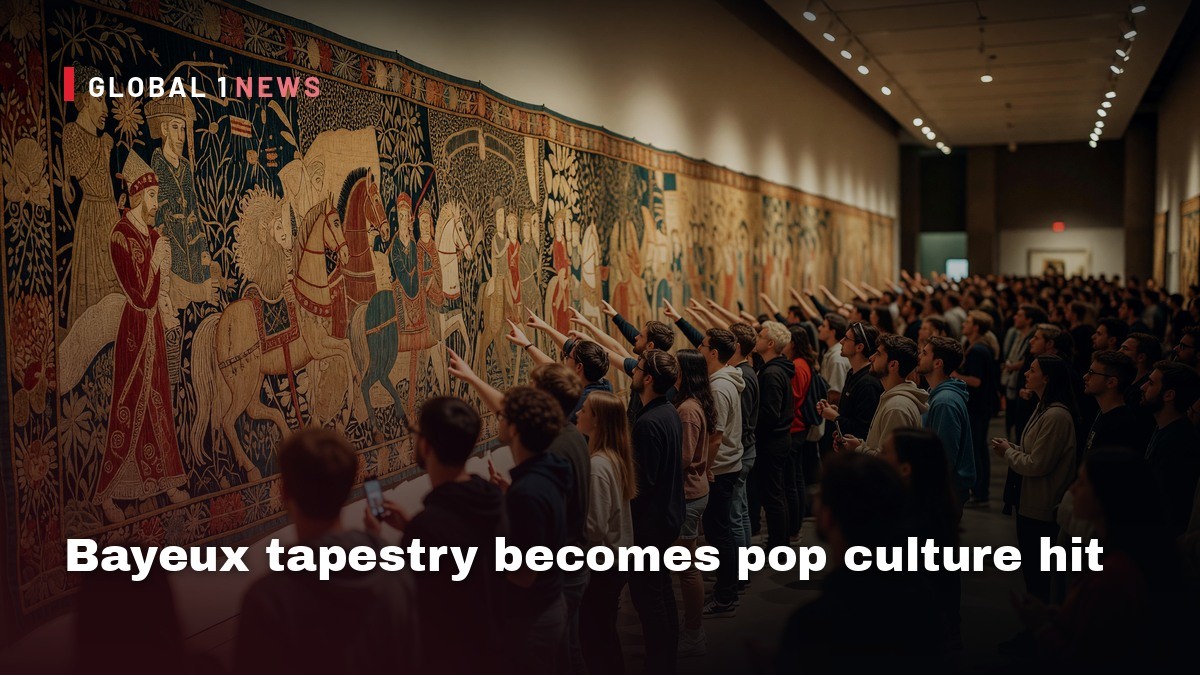
The Bayeux tapestry, a millennium‑old embroidered narrative of the Norman Conquest, has unexpectedly become the latest pop‑culture sensation among Britain’s under‑35s. In the first hour of the second ticket release on Wednesday, Monzo‑card payments to the British Museum surged to £14,100 – a figure 48 times higher than a typical Wednesday morning – and more than half of those transactions came from young adults. The frenzy, which saw tickets vanish within three hours, eclipses the opening‑day spend on this year’s biggest cinema releases, prompting cultural commentators to liken the craze to Glastonbury and the Oasis reunion tour.
Ticket sales outstrip blockbuster openings
Monzo’s data reveal that the tapestry’s second‑round ticket sale generated £14,100 in the first hour, a level of activity that dwarfs the usual Wednesday morning flow. By contrast, the opening mornings for the year’s top films – the critically lauded The Odyssey and the box‑office smash Spider‑Man: Brand New Day – attracted £7,000 and £6,300 respectively from the same customer base. This means the tapestry’s launch attracted roughly double the spending of the most popular new releases.
When the cost of a ticket is taken into account – £33 for a standard adult peak slot and £27 for off‑peak – the disparity becomes even more striking. On average, purchasers spent £97 per transaction on the tapestry, compared with just £19 for a typical opening‑day cinema ticket. By the two‑hour mark, Monzo customers had already spent £30,500 on the exhibition, underscoring a willingness to pay a premium for a once‑in‑a‑lifetime cultural experience.
The demographic driving the surge
More than half of the buyers – 55% – were under the age of 35, according to Monzo. This youthful enthusiasm mirrors broader trends in which younger audiences gravitate towards heritage and experiential events rather than traditional screen entertainment. The data suggest a generational shift: a willingness to allocate discretionary spending to immersive, historically rich experiences, even when the price point exceeds that of a night at the cinema.
Geographically, the appeal was not confined to London. Almost half of the purchasers hailed from outside the capital, with the furthest transactions recorded from Glasgow. This national spread indicates that the tapestry’s draw transcended regional loyalties, prompting travel across the country to secure a ticket for what many described as a “once‑in‑a‑lifetime” event.
Supply constraints and the queue phenomenon
The British Museum’s decision to limit ticket numbers – a necessary measure given the delicate nature of the tapestry – created a scarcity that amplified demand. Thousands joined an online queue when sales opened at 10 am, and the tickets were snapped up within three hours, a marked acceleration from the first wave, which took a full 24 hours to sell out.
This rapid sell‑out forced the museum to introduce crowd‑control measures, including a ban on photography for ticket‑holders. The institution described the response to the tapestry’s display as “extraordinary”, prompting it to rethink visitor flow and queue management to cope with the unprecedented interest.
Comparisons with other cultural moments
Commentators have drawn parallels between the tapestry’s ticket rush and the fervour surrounding major pop‑culture milestones such as the Glastonbury festival and the Oasis reunion tour. While the tapestry is a static artefact rather than a live performance, the intensity of the demand and the willingness of young people to travel long distances echo the behaviours typically associated with music festivals and blockbuster film releases.
The Guardian’s review called the exhibition “a stupefying, thrilling, horrifying masterpiece that shakes the earth”, highlighting the tapestry’s technical brilliance and narrative power. Such high‑profile endorsement, combined with the museum’s own “extraordinary” label for the response, has amplified the tapestry’s status as a cultural touchstone for a generation seeking authentic, tactile experiences.
Economic implications for heritage venues
The surge in ticket sales demonstrates a lucrative revenue stream for heritage institutions willing to capitalise on limited‑time displays. With an average spend of £97 per ticket buyer, the British Museum stands to generate significant income from a single exhibition, far surpassing the earnings from comparable ticketed events such as cinema screenings.
Moreover, the willingness of younger audiences to pay a premium suggests that museums could re‑evaluate pricing strategies for special exhibitions, balancing accessibility with the financial realities of conservation and security. The data also hint at a broader market for heritage‑driven tourism, as visitors from across the UK – and potentially abroad – demonstrate a readiness to travel for unique cultural offerings.
Social media and the narrative of “pop‑culture heritage”
Although the source material does not detail social‑media activity, the rapid ticket sell‑out and the comparison to major pop‑culture events imply a viral spread of the tapestry’s appeal. Young adults, who dominate platforms such as Instagram and TikTok, are likely to share their experiences, further amplifying interest and creating a feedback loop that drives even higher demand.
This phenomenon reflects a growing trend where historic artefacts are reframed as contemporary cultural icons. By positioning the Bayeux tapestry alongside blockbuster films, the British Museum has inadvertently tapped into a narrative that blends education with entertainment, a formula that resonates strongly with a digitally native audience.
Looking ahead: the legacy of the tapestry craze
The current exhibition marks the first time the Bayeux tapestry has been displayed in England since its 11th‑century journey to France. Its success may set a precedent for future loans of major artefacts, encouraging museums to negotiate similar arrangements that promise both cultural enrichment and financial upside.
For policymakers and cultural managers, the lesson is clear: heritage can compete with, and even out‑perform, mainstream entertainment when presented with the right mix of exclusivity, narrative appeal, and strategic pricing. As the tapestry’s threads continue to captivate a new generation, the British Museum and its peers will likely explore how to harness this momentum, ensuring that the past remains a vibrant, profitable part of the nation’s cultural future.
This article was produced with AI-assisted research and editorial support. Reporting is based on the source material cited below. Sources: The Guardian UK; theguardian.com; Global1.News (26 October 2026).
By Erica Thornton, Staff Writer
What's Your Reaction?
 Like
0
 Dislike
0
 Love
0
 Funny
0
 Wow
0
 Sad
0
 Angry
0

US Politics and Policy Correspondent at Global1.News. Based in Washington DC, covering American politics, policy, elections, and the courts. Knows how the system works and tells you what it actually means.















Comments (0)