
Elephant calf dies after slipping down slope in Wayanad
On October 25, 2026, a tragic incident unfolded on a privately owned plantation in Muthumari, near Mananthavady in Wayanad, when a female elephant calf slipped down a steep slope and died.
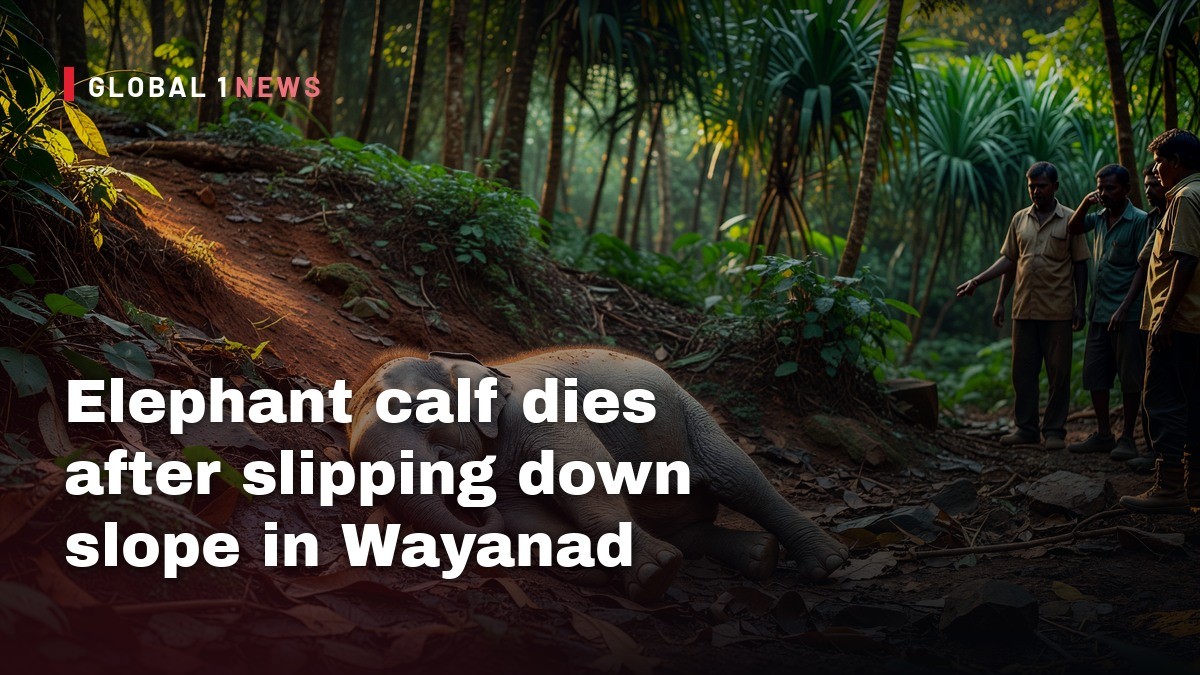
On October 25, 2026, a tragic incident unfolded on a privately owned plantation in Muthumari, near Mananthavady in Wayanad, when a female elephant calf slipped down a steep slope and died. The episode, captured on CCTV and widely shared across social media platforms, has reignited discussions about human‑wildlife interfaces, forest‑department response protocols, and the broader implications for India’s wildlife conservation framework.
Incident chronology and immediate response
The calf’s tumble was recorded by a surveillance camera installed on the plantation. The footage shows the young elephant losing its footing, tumbling down the incline while its mother and other herd members trumpet frantically, attempting to intervene. The visual evidence quickly went viral, prompting public outcry and a demand for swift action from forest authorities.
Within hours, the Rapid Response Team (RRT) of the North Wayanad Forest Division arrived at the scene. Despite their presence, the herd remained on the spot, and the team was unable to retrieve the calf. The next morning, a senior forest officer, S. Kannan of the Begur Range, led a second team. This contingent succeeded in herding the elephants back into the forest and subsequently recovered the carcass for examination.
Post‑mortem findings and medical context
Following the retrieval, a post‑mortem examination was conducted on the calf’s remains. According to Forest Officer Kannan, the examination revealed that the calf was afflicted with herpes, a viral infection known to affect Asian elephants, particularly young individuals. The presence of the disease was noted as a contributing factor, although the primary cause of death was the physical trauma sustained during the fall.
Herpesvirus infections in elephants have been documented in scientific literature, often manifesting as oral lesions, respiratory distress, and, in severe cases, systemic illness. While the source material does not elaborate on the severity of the infection in this particular calf, the mention underscores the vulnerability of juvenile elephants to opportunistic pathogens, especially when stressed by environmental disturbances.
Legal and procedural ramifications
Officer Kannan clarified that the incident was deemed accidental and that no formal case had been registered in connection with the calf’s death. This stance aligns with existing protocols that differentiate between poaching or intentional harm and accidental fatalities arising from natural or inadvertent human‑induced circumstances. However, the decision not to file a case may raise questions about accountability mechanisms when wildlife encounters occur on private land.
Under the Wildlife (Protection) Act, 1972, any death of a protected species typically warrants an investigation, particularly if human activity is implicated. The absence of a registered case suggests that forest officials concluded the plantation’s ownership and the calf’s accidental slip did not constitute a violation warranting legal action. Nonetheless, the episode highlights a gap in the enforcement framework concerning private land use and wildlife corridors.
Implications for private land management
The plantation where the tragedy occurred is privately owned, a common scenario in the Western Ghats where agricultural and plantation activities intersect with forested habitats. The incident underscores the need for clearer guidelines on how private landholders can mitigate risks to wildlife traversing their property. While the source material does not detail any pre‑existing mitigation measures, the event suggests a potential oversight in managing steep terrain that serves as a natural passage for elephants.
In recent years, state governments have encouraged the adoption of wildlife-friendly practices on private lands, including the establishment of buffer zones, signage, and community‑based monitoring. The Wayanad case could serve as a catalyst for revisiting these initiatives, ensuring that plantation owners are equipped with practical tools—such as reinforced pathways or deterrent structures—to prevent similar accidents.
Forest department response capacity
The rapid deployment of the RRT and the subsequent involvement of a senior officer illustrate the operational readiness of the North Wayanad Forest Division. However, the initial inability to retrieve the calf points to challenges in handling emergencies on rugged terrain. The herd’s reluctance to move, despite the presence of officials, reflects the complex behavior of elephants when faced with distress, complicating rescue efforts.
Strengthening response capacity could involve specialized training for handling juvenile elephants, the use of non‑invasive tranquilization techniques, and the integration of real‑time monitoring technologies. While the source material does not mention any such enhancements, the incident provides a practical case study for refining standard operating procedures in wildlife emergencies.
Broader conservation context in Kerala
Kerala’s forested landscapes are home to a significant portion of India’s elephant population. The state’s wildlife policies emphasize the protection of corridors that link fragmented habitats, a critical factor for genetic flow and seasonal migrations. The Wayanad incident, occurring within a known elephant corridor, highlights the delicate balance between human land use and wildlife movement.
Recent conservation strategies have focused on community participation, habitat restoration, and conflict mitigation. The tragic loss of a calf—already vulnerable due to a herpes infection—adds a poignant reminder of the stakes involved. It reinforces the urgency of maintaining uninterrupted corridors and minimizing human‑induced hazards that can exacerbate mortality risks for young elephants.
Future directions and policy recommendations
Drawing lessons from this episode, several policy actions emerge as priorities. First, a systematic risk assessment of private lands intersecting elephant corridors should be mandated, with clear guidelines for terrain management to prevent accidental falls. Second, the establishment of a rapid response protocol that includes veterinary expertise on‑site could improve outcomes for injured wildlife.
Third, enhancing data collection through mandatory CCTV or drone surveillance in high‑risk zones can provide early warning signals and facilitate swift interventions. Finally, fostering stronger collaboration between forest departments, private landowners, and local communities will be essential to create a cohesive network of vigilance and care.
As India continues to grapple with the challenges of conserving its megafauna amidst expanding human footprints, the Wayanad calf’s death serves as a somber illustration of the consequences when natural habitats intersect with private enterprise without adequate safeguards. The incident, while isolated, offers a valuable case study for policymakers, conservationists, and landholders alike, urging a collective commitment to protect the youngest and most vulnerable members of our wildlife heritage.
This article was produced with AI-assisted research and editorial support. Reporting is based on the source material cited below. Sources: The Hindu; thehindu.com; Global1.News (27 October 2026).
By Dr. Raj Patel, Staff Writer
What's Your Reaction?
 Like
0
 Dislike
0
 Love
0
 Funny
0
 Wow
0
 Sad
0
 Angry
0

India/South Asia Correspondent at Global1.News. Analytical voice with a background in science and health journalism. Based in New Delhi, covering Indian politics, education, healthcare, technology, and policy. Breaks down complex data into clear, actionable reporting.















Comments (0)